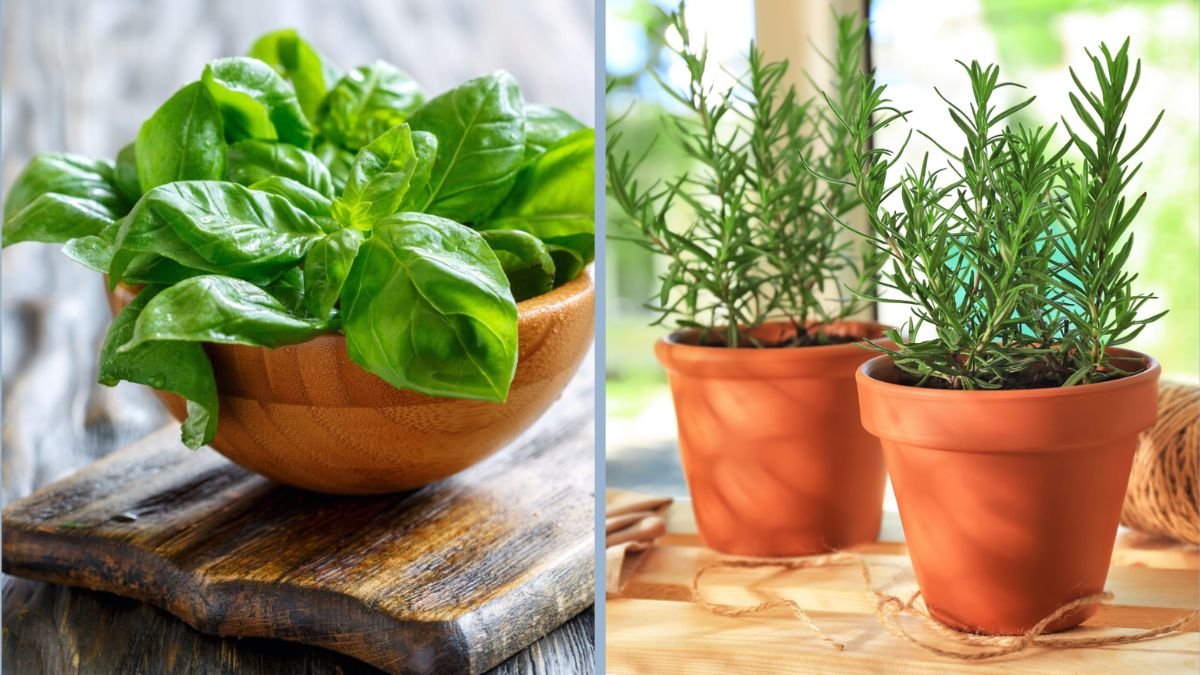
Growing herbs at home is an accessible and rewarding way to enhance culinary experiences, promote wellness, and engage in sustainable gardening. For beginners, selecting easy-to-grow herbs ensures early success, boosts confidence, and encourages continued gardening practice. Herbs are not only flavorful but often have therapeutic properties and can be grown indoors or outdoors with minimal resources. This article identifies five beginner-friendly herbs, provides guidance on cultivation, care, and harvesting, and explains how these plants can thrive in various home settings without relying on non-vegetarian inputs.
1. Basil (Ocimum basilicum)
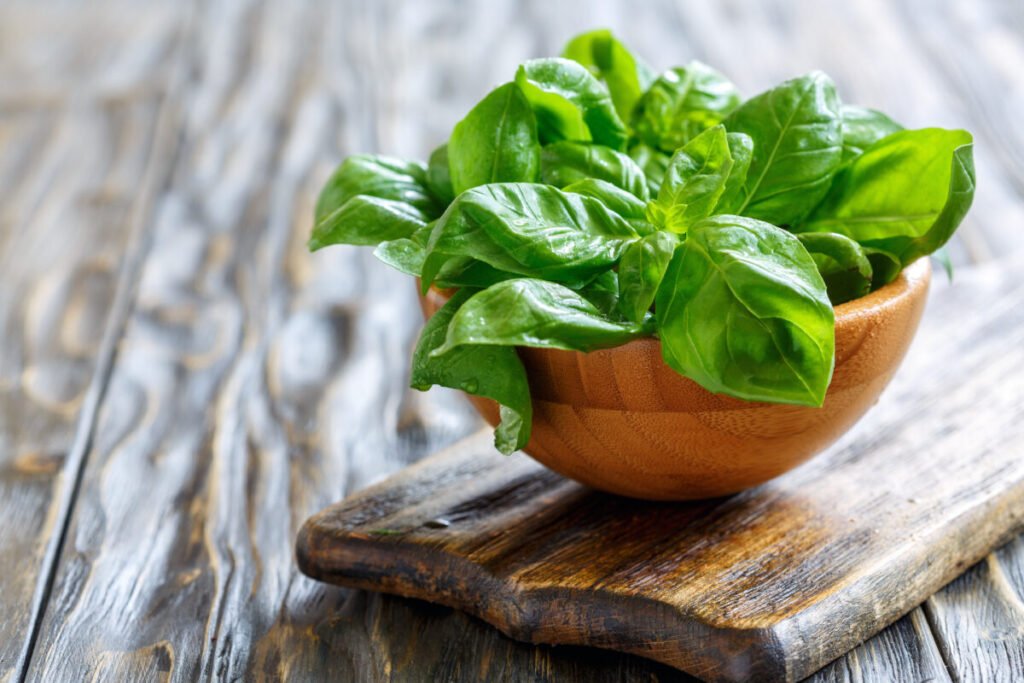
Basil is one of the most popular culinary herbs, prized for its aromatic leaves and versatility in dishes like salads, pasta, and sauces. Its vibrant flavor and ease of growth make it ideal for beginners.
Cultivation Tips:
- Light: Requires 6–8 hours of sunlight daily or supplemental grow lights indoors.
- Soil: Well-drained, fertile soil enriched with compost or plant-based fertilizer.
- Watering: Keep soil consistently moist, but avoid waterlogging.
- Temperature: Prefers warm temperatures (18–30°C).
Propagation:
- Start from seeds indoors or use cuttings from mature plants.
- Transplant seedlings when they have 2–4 true leaves.
Harvesting:
- Pinch leaves regularly to encourage bushy growth.
- Remove flowers to maintain leaf production.
Basil grows well in pots, containers, and small garden plots, making it perfect for urban or indoor gardening.
2. Mint (Mentha spp.)
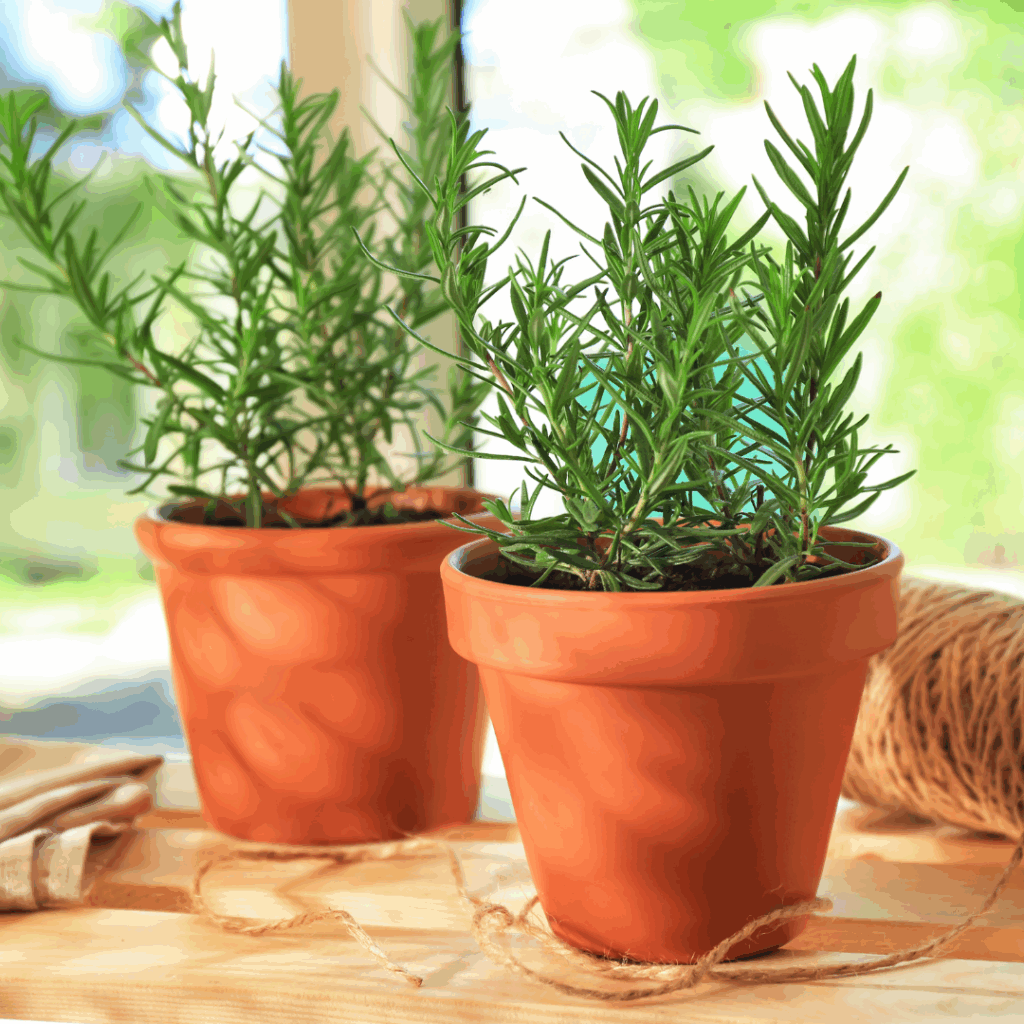
Mint is hardy, fast-growing, and nearly foolproof for beginners. Its refreshing flavor is ideal for teas, desserts, and beverages. Mint adapts to a variety of soil conditions and can be grown indoors or outdoors.
Cultivation Tips:
- Light: Prefers partial to full sunlight (4–6 hours daily).
- Soil: Well-draining, fertile soil. Mint tolerates slightly acidic to neutral pH.
- Watering: Requires regular watering to maintain moisture.
Propagation:
- Easily grown from cuttings. Place stems in water until roots form, then transfer to soil.
- Spreads rapidly; best grown in containers to prevent invasive growth.
Harvesting:
- Pinch leaves regularly for continuous growth.
- Use fresh leaves in teas or desserts; store excess by drying.
Mint’s rapid growth and resilience make it an excellent choice for novice gardeners.
3. Parsley (Petroselinum crispum)
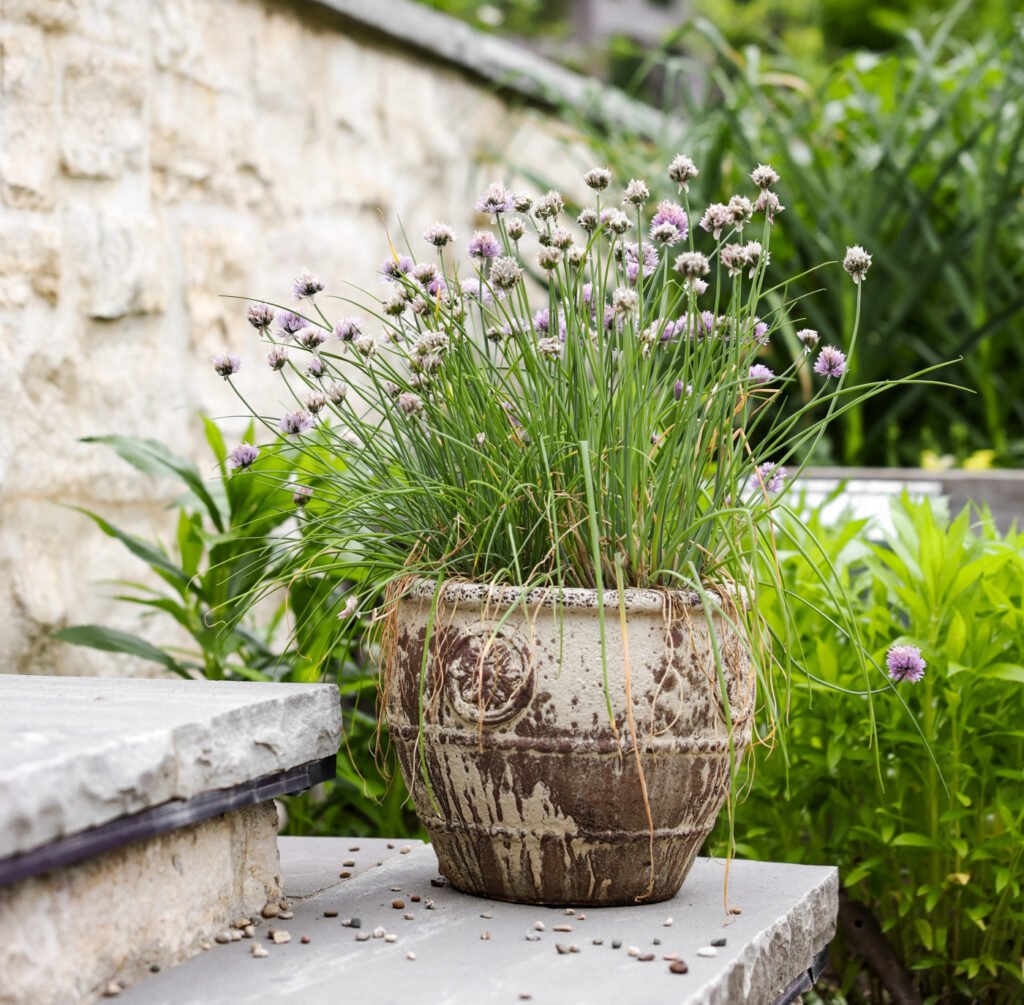
Parsley is a versatile herb used in salads, garnishes, and sauces. It is cold-tolerant and can grow indoors on windowsills or outdoors in garden beds.
Cultivation Tips:
- Light: Needs 4–6 hours of sunlight per day; grows well under grow lights indoors.
- Soil: Rich, well-drained soil with organic compost.
- Watering: Keep soil moist, particularly during germination.
Propagation:
- Start seeds indoors 8–10 weeks before the last frost or sow directly outdoors in spring.
- Germination can take 2–3 weeks; patience is required.
Harvesting:
- Cut outer leaves first, leaving inner growth for continued production.
- Regular trimming encourages fuller, bushy growth.
Parsley’s mild flavor, resilience, and low-maintenance requirements make it beginner-friendly.
4. Rosemary (Rosmarinus officinalis)
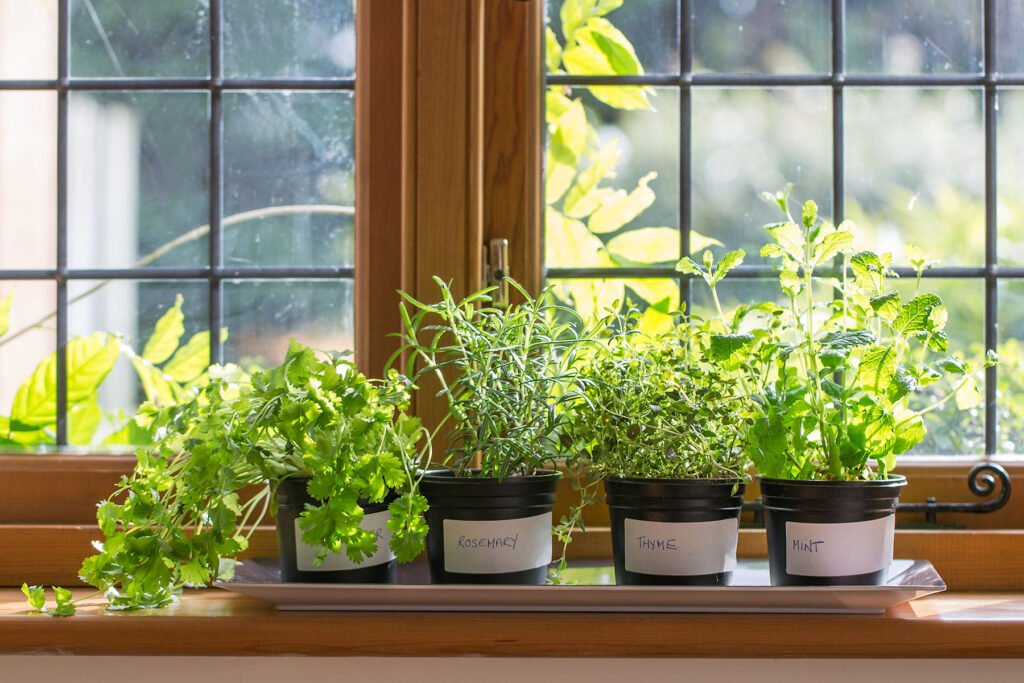
Rosemary is an aromatic, woody herb with culinary and therapeutic uses. It is drought-tolerant, pest-resistant, and can thrive indoors in bright light, making it suitable for beginners.
Cultivation Tips:
- Light: Requires at least 6 hours of direct sunlight.
- Soil: Well-draining, sandy or loamy soil enriched with plant-based compost.
- Watering: Moderate watering; allow soil to dry slightly between waterings.
Propagation:
- Grow from cuttings; woody stems root well in soil or water.
- Slow-growing but long-lasting; can remain productive for years.
Harvesting:
- Snip small sprigs as needed; avoid removing more than one-third of the plant at a time.
- Regular pruning encourages compact, bushy growth.
Rosemary’s resilience, low water requirement, and aromatic leaves make it ideal for first-time gardeners seeking a long-term herb.
5. Thyme (Thymus vulgaris)
Thyme is a low-maintenance, aromatic herb commonly used in cooking, teas, and natural remedies. Its drought tolerance and adaptability make it perfect for beginners.
Cultivation Tips:
- Light: Full sun (6–8 hours daily) is ideal; tolerates partial shade.
- Soil: Well-drained soil, slightly sandy or loamy, enriched with compost.
- Watering: Minimal watering; overwatering can harm the plant.
Propagation:
- Easily grown from cuttings or seedlings.
- Root cuttings in soil for 2–3 weeks before transplanting.
Harvesting:
- Snip small stems as needed; frequent harvesting promotes bushier growth.
- Leaves can be used fresh or dried for later use.
Thyme’s small, woody structure and slow growth make it a manageable herb for home gardeners.
General Tips for Beginner Herb Gardening
- Containers and Indoor Growth
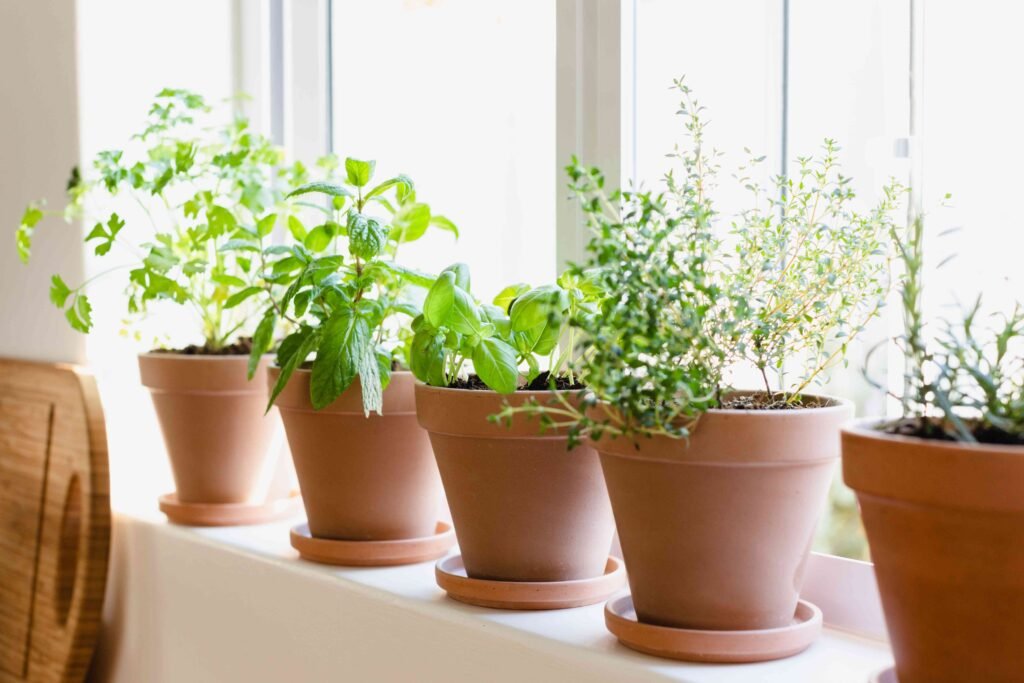
- Herbs grow well in pots, window boxes, and raised beds.
- Ensure adequate drainage to prevent root rot.
- Use self-watering containers for convenience and consistent moisture.
- Soil Management
- Use plant-based compost, vermicompost, or green manure to enrich soil.
- Rotate crops or containers to prevent soil nutrient depletion.
- Watering Practices
- Water early in the day to reduce evaporation.
- Monitor soil moisture to avoid over- or under-watering.
- Light and Temperature
- Provide sufficient sunlight or artificial grow lights indoors.
- Maintain temperatures appropriate for each herb to prevent stress.
- Pest and Disease Control
- Use plant-based solutions like neem oil, garlic spray, or companion planting.
- Maintain good airflow and remove diseased leaves promptly.
- Harvesting Techniques
- Harvest regularly to encourage continuous growth.
- Avoid taking more than one-third of the plant at a time to maintain health.
- Propagation for Continuous Supply
- Keep cuttings or seedlings ready for replacement or expansion.
- Rotate herbs seasonally for uninterrupted access.
Benefits of Growing Herbs at Home
Growing herbs at home provides multiple advantages:
- Culinary Uses
- Fresh herbs enhance flavor, aroma, and nutritional content of meals.
- Health and Wellness
- Many herbs support digestion, relaxation, and natural immunity.
- Sustainability
- Reduces reliance on store-bought herbs packaged with plastic.
- Encourages eco-friendly, plant-based living.
- Educational and Therapeutic Value
- Gardening teaches responsibility, patience, and plant science.
- Indoor herb gardening contributes to stress reduction and mental well-being.
Conclusion
Growing herbs at home is accessible, sustainable, and highly rewarding for beginners. The five herbs discussed—basil, mint, parsley, rosemary, and thyme—offer culinary versatility, resilience, and low-maintenance growth, making them ideal for new gardeners. By following plant-based soil management, proper watering, pruning, and pest-control practices, beginners can cultivate a thriving indoor or outdoor herb garden year-round. Regular harvesting and propagation ensure a steady supply of fresh, aromatic herbs while promoting sustainable and healthy gardening habits. Engaging in herb cultivation not only enriches the home kitchen but also fosters a deeper connection with nature and plant-based living.