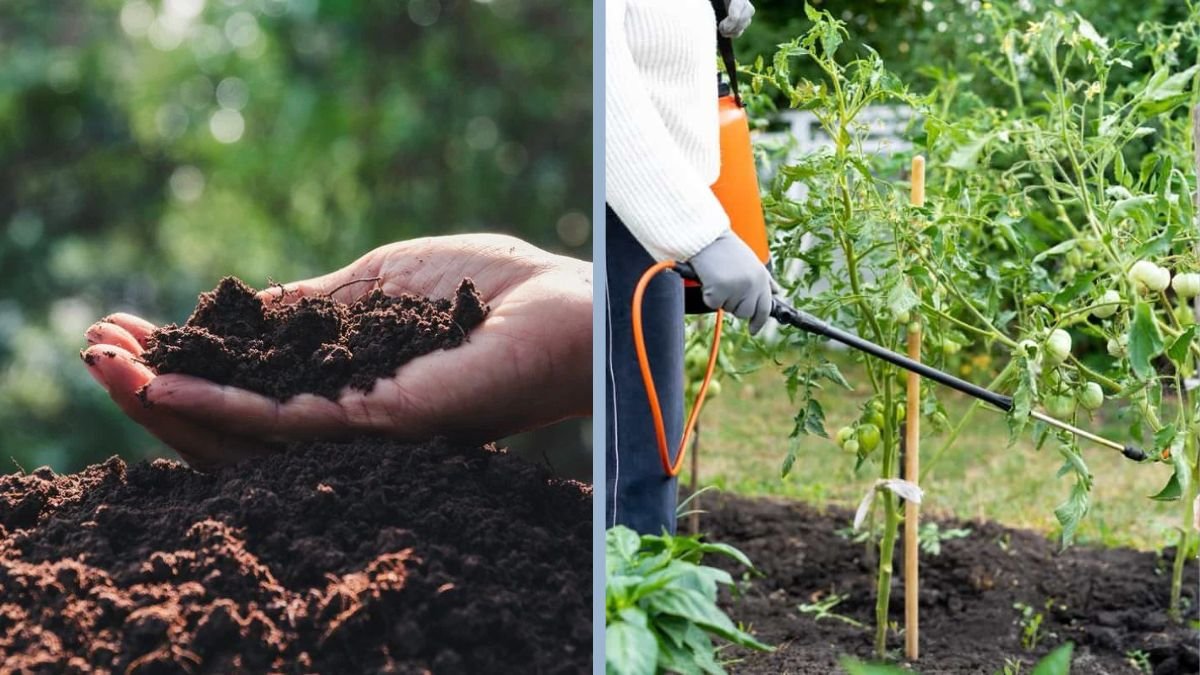
Kitchen gardening has become increasingly popular among urban and suburban households, offering fresh, nutritious vegetables and herbs right at home. For gardeners dedicated to healthy, plant-based meals, using organic fertilizers is a crucial step in cultivating vibrant and productive plants. Unlike chemical fertilizers, organic fertilizers enrich the soil naturally, improve its structure, and promote sustainable growth without introducing harmful chemicals.
This article explores the best organic fertilizers for kitchen gardening, how to use them effectively, and the benefits they provide for soil, plants, and the environment.
Why Organic Fertilizers Matter
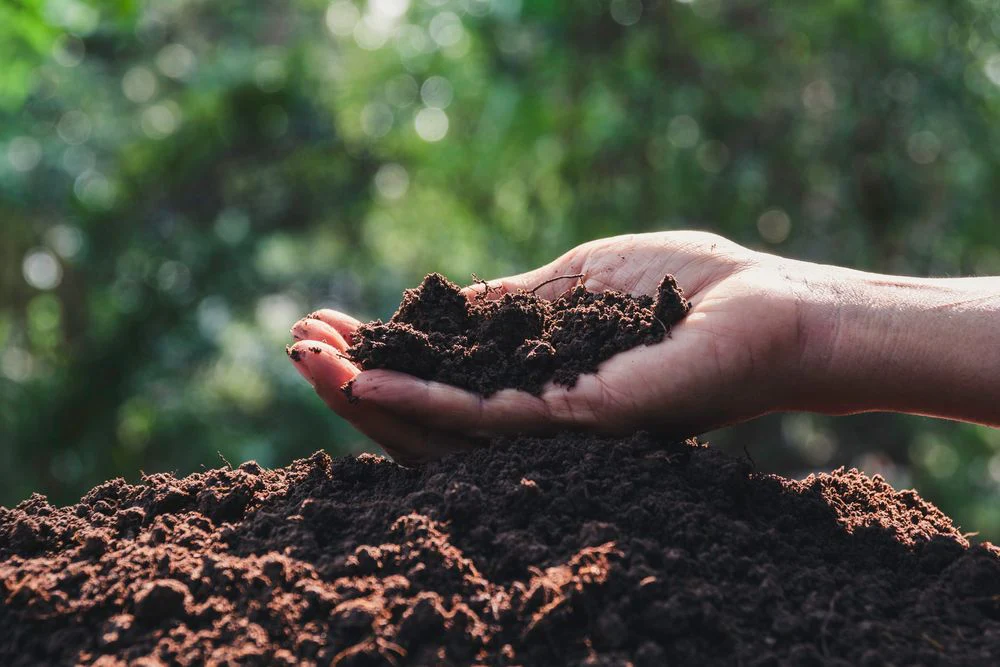
Organic fertilizers are derived from plant, animal, or mineral sources and enhance soil fertility naturally. They offer several advantages over synthetic fertilizers:
- Soil Health: Improve soil structure, aeration, and water retention.
- Microbial Activity: Encourage beneficial microorganisms that enhance nutrient availability.
- Environmental Safety: Reduce chemical runoff that can pollute water systems.
- Sustainable Growth: Provide a slow release of nutrients, ensuring long-term soil fertility.
- Healthier Produce: Vegetables and herbs grown organically are free from synthetic chemical residues.
By using organic fertilizers in kitchen gardens, gardeners support sustainable practices while producing nutritious, flavorful vegetables and herbs.
Types of Organic Fertilizers
Organic fertilizers can be categorized based on their nutrient content and source.
1. Compost
Compost is decomposed organic matter, such as vegetable scraps, fruit peels, coffee grounds, and garden trimmings.
- Benefits:
- Provides balanced nutrients for plants.
- Improves soil texture and water retention.
- Encourages beneficial microbial activity.
- How to Use:
- Mix 2–3 inches of mature compost into garden soil before planting.
- Use as a top dressing for established plants to replenish nutrients.
Tip: Regularly adding compost maintains soil fertility and reduces the need for additional fertilizers.
2. Vermicompost
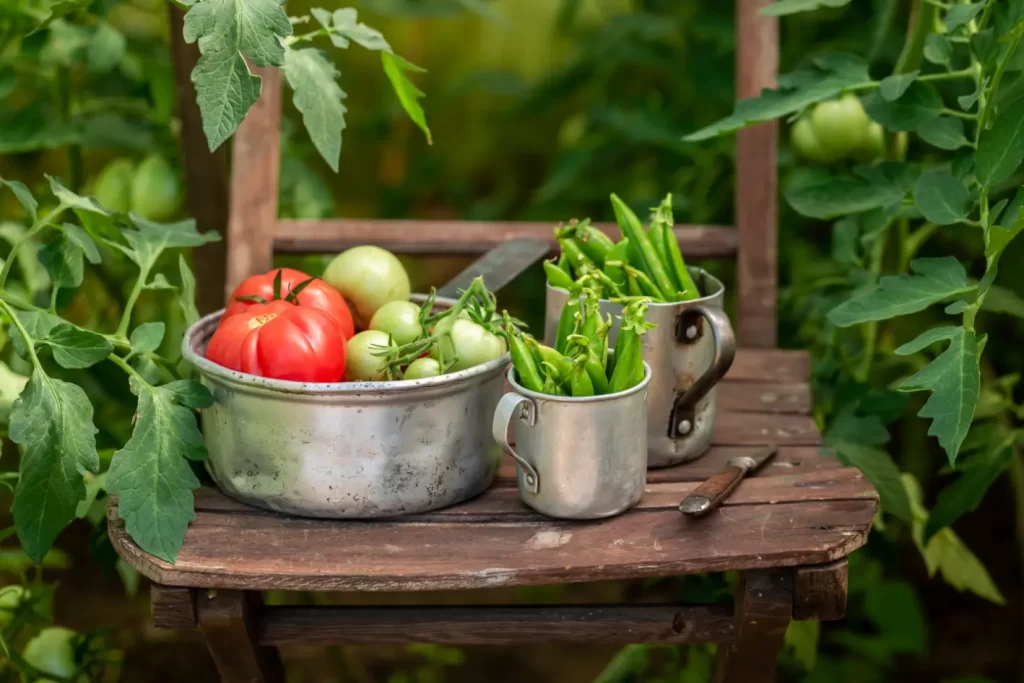
Vermicompost is produced by earthworms feeding on organic matter. It is highly nutrient-rich and ideal for kitchen gardening.
- Benefits:
- Enhances plant growth and root development.
- Contains beneficial microbes that protect plants from diseases.
- Improves soil structure and moisture retention.
- How to Use:
- Mix vermicompost into potting soil at the rate of 10–20% of total soil volume.
- Sprinkle a thin layer around the base of plants as a slow-release fertilizer.
Tip: Vermicompost is especially effective for container-grown herbs and vegetables.
3. Cow Manure
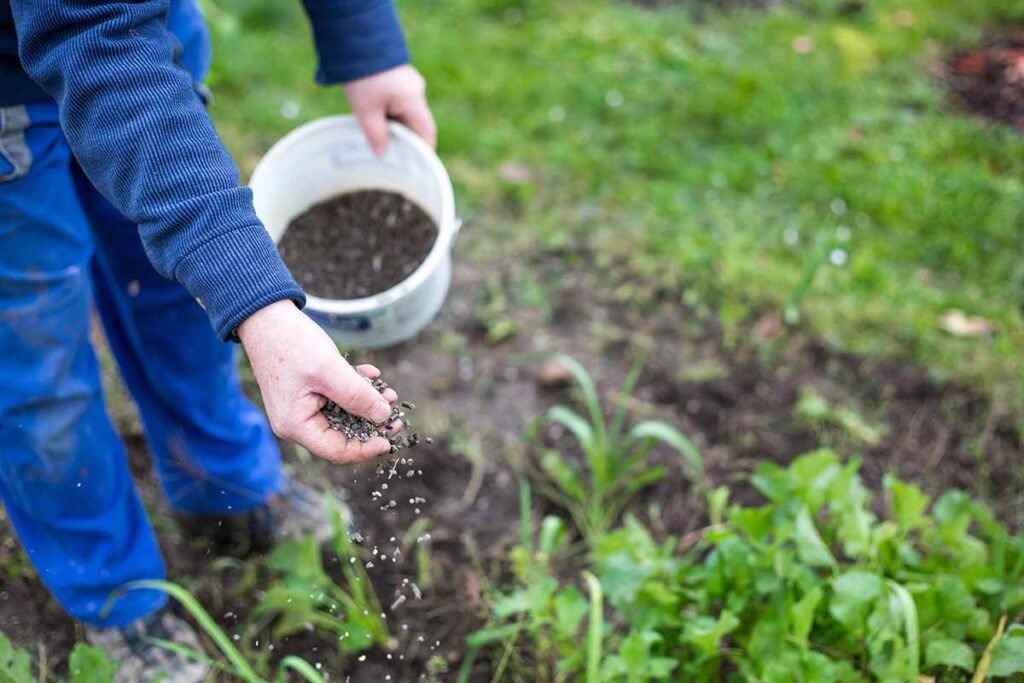
Well-rotted cow manure is an excellent source of nitrogen, phosphorus, and potassium for kitchen gardens.
- Benefits:
- Promotes leafy growth and strong roots.
- Improves soil fertility naturally.
- Increases microbial activity in the soil.
- How to Use:
- Compost fresh manure for at least 6 months to reduce ammonia content.
- Mix 2–3 inches into garden beds before planting.
- Use as a top dressing during the growing season.
Tip: Avoid using fresh manure directly, as it can burn plant roots and attract pests.
4. Green Manure
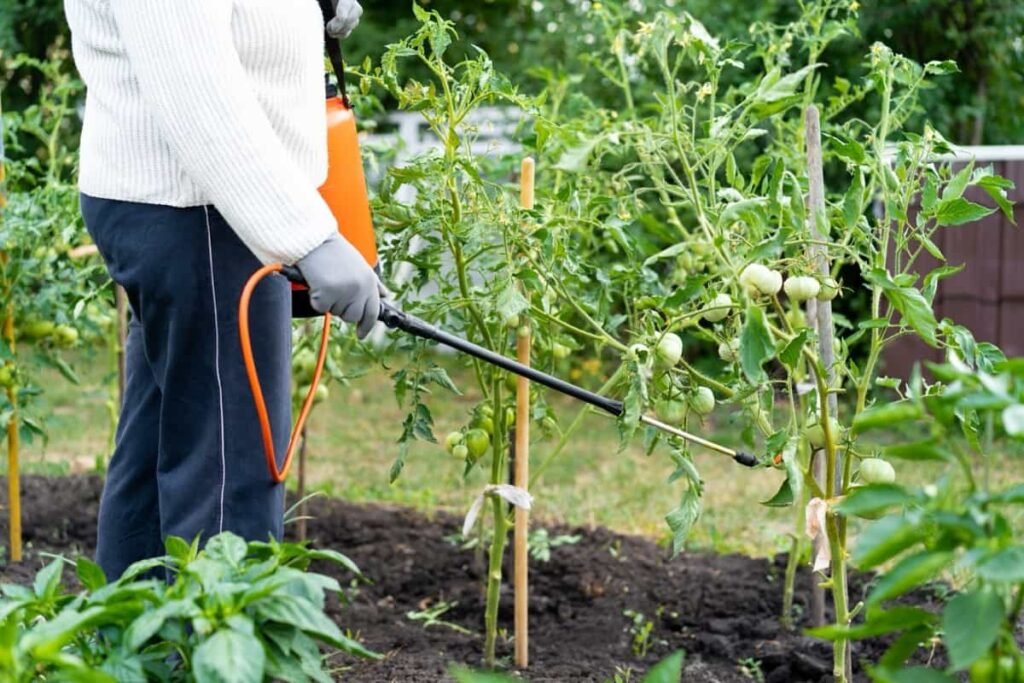
Green manure involves growing specific plants, such as legumes or leafy cover crops, which are later incorporated into the soil.
- Benefits:
- Enriches soil with nitrogen naturally.
- Suppresses weeds and prevents soil erosion.
- Improves soil organic matter and structure.
- How to Use:
- Grow green manure crops in empty garden beds.
- Cut the plants before flowering and dig them into the soil.
- Allow the material to decompose for 2–3 weeks before planting vegetables.
Tip: Legumes like beans and peas are particularly effective as green manure due to their nitrogen-fixing ability.
5. Bone Meal (Plant-Based Alternatives)
Traditional bone meal is not vegetarian-friendly, but plant-based alternatives like rock phosphate provide similar phosphorus benefits.
- Benefits:
- Promotes flowering and fruiting in vegetables.
- Strengthens root development.
- How to Use:
- Apply 2–3 tablespoons per square foot of soil at planting time.
- Mix thoroughly into the top 4–6 inches of soil.
Tip: Rock phosphate is slow-releasing, so it improves fertility over a long period.
6. Seaweed Fertilizer
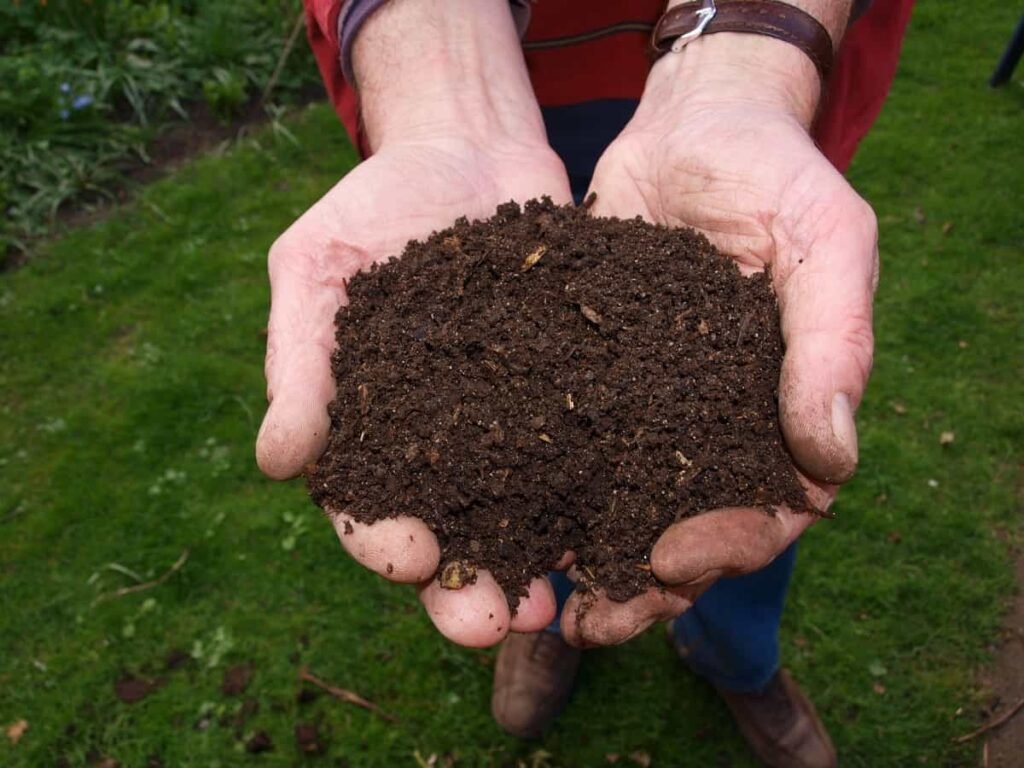
Seaweed, available as liquid extract or dried powder, is rich in micronutrients, amino acids, and growth hormones.
- Benefits:
- Stimulates plant growth and root development.
- Enhances resistance to pests and diseases.
- Improves soil microbial activity and nutrient availability.
- How to Use:
- Apply liquid seaweed extract every 2–3 weeks as a foliar spray or soil drench.
- Mix dried seaweed into soil at the rate of 1–2 pounds per 10 square feet.
Tip: Seaweed fertilizer is ideal for leafy greens, herbs, and fruiting vegetables.
7. Neem Cake
Neem cake, made from cold-pressed neem seeds, is an excellent all-in-one fertilizer and natural pest deterrent.
- Benefits:
- Supplies nitrogen, phosphorus, and potassium.
- Acts as a natural pesticide, protecting plants from soil-borne pests.
- Improves soil fertility and microbial population.
- How to Use:
- Mix 1–2 tablespoons of neem cake into the soil per plant at planting.
- Apply as a top dressing every 2–3 months for ongoing benefits.
Tip: Neem cake is particularly effective for tomatoes, peppers, and leafy vegetables.
Tips for Using Organic Fertilizers Effectively
- Balance Nutrients: Use a mix of compost, vermicompost, and other fertilizers to supply balanced nutrients.
- Timing Matters: Apply fertilizers at planting and as top dressing during the growing season.
- Avoid Over-Fertilization: Organic fertilizers release nutrients slowly; excessive use can disrupt soil balance.
- Monitor Plant Health: Adjust fertilizer type or quantity based on leaf color, growth rate, and overall plant vigor.
- Combine With Mulching: Mulch helps retain moisture, reduce nutrient loss, and promote healthy soil.
Benefits of Organic Fertilizers for Kitchen Gardens
- Enhanced Soil Fertility: Long-term improvement in soil health and nutrient content.
- Increased Crop Yield: Healthier plants produce more vegetables and herbs.
- Sustainable Gardening: Reduces dependency on chemical fertilizers and supports environmental health.
- Safe for Consumption: Vegetables grown organically are free from chemical residues.
- Cost-Effective: Many organic fertilizers, such as compost and vermicompost, can be made at home from kitchen scraps.
Sustainability Practices for Organic Fertilizer Use
- Composting Kitchen Scraps: Turn vegetable and fruit waste into homemade compost.
- Crop Rotation: Maintain soil fertility by alternating nutrient-demanding crops with legumes or green manure crops.
- Mulching: Use dry leaves, straw, or shredded newspaper to conserve soil moisture and reduce fertilizer needs.
- Integrated Soil Management: Combine organic fertilizers with healthy soil practices like aeration and pH monitoring.
Conclusion
Organic fertilizers are essential for thriving kitchen gardens. Compost, vermicompost, cow manure, green manure, plant-based phosphate, seaweed, and neem cake provide balanced nutrients while enhancing soil fertility and promoting sustainable gardening practices.
Using organic fertilizers ensures that vegetables and herbs are nutrient-rich, flavorful, and free from harmful chemicals, aligning perfectly with plant-based and vegetarian diets. Regular application, combined with proper watering, sunlight, and soil care, allows gardeners to maximize yield, improve plant health, and reduce environmental impact.
For kitchen gardeners, integrating organic fertilizers into routine gardening practices transforms ordinary soil into fertile, productive ground that supports vibrant, healthy, and abundant vegetable and herb growth. This approach not only nurtures plants but also fosters sustainability, environmental stewardship, and a deep connection to the food we grow and consume.