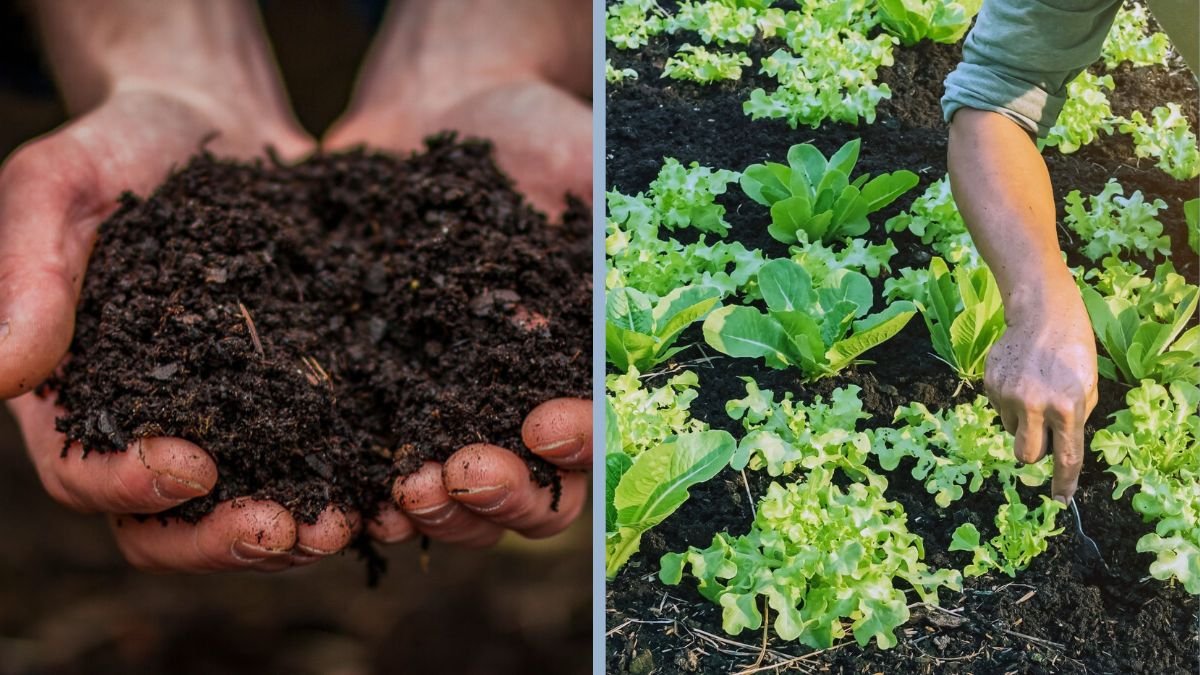
Composting is a sustainable, eco-friendly way to transform everyday kitchen scraps into nutrient-rich soil for your garden. For vegetarians, gardeners, and environmentally conscious households, composting is an essential practice that reduces waste, enriches soil, and promotes healthier plant growth. Instead of sending vegetable peels, fruit cores, and coffee grounds to landfills, composting allows these organic materials to decompose naturally, returning valuable nutrients to the soil.
This article provides a comprehensive guide to composting kitchen scraps, including the types of scraps suitable for composting, the composting process, maintenance tips, and creative ways to use compost for fertile soil in home gardens.
Why Composting Matters
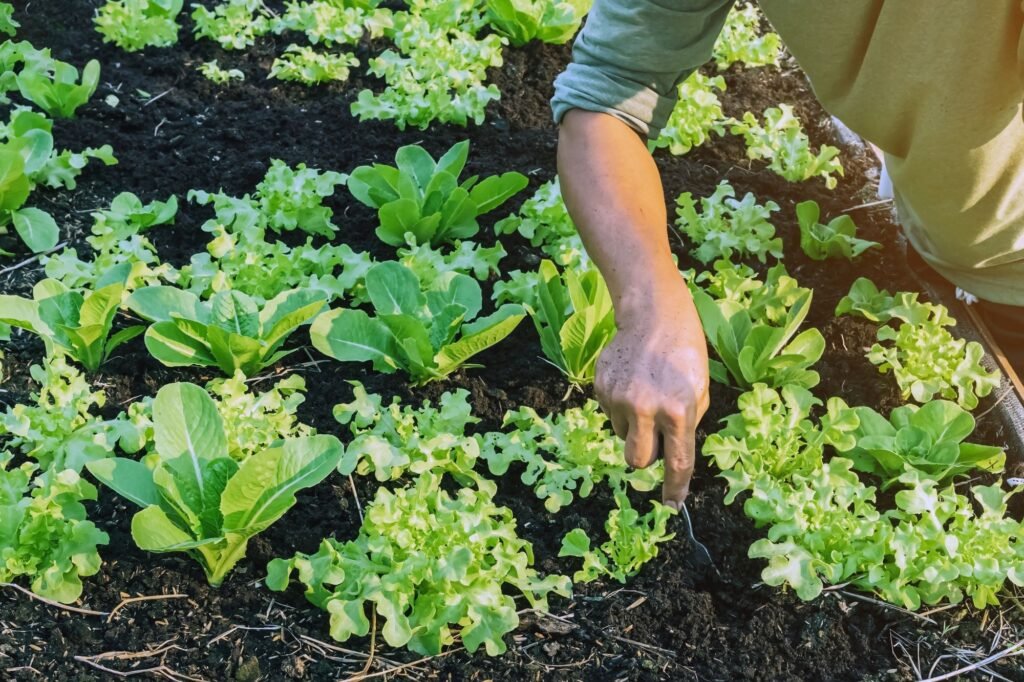
Composting is more than a gardening technique—it’s a sustainable lifestyle practice. Benefits include:
- Waste Reduction: Diverts organic waste from landfills, reducing methane emissions.
- Soil Enrichment: Adds nutrients and beneficial microbes to soil.
- Water Retention: Compost improves soil structure, helping it retain moisture.
- Cost Savings: Reduces the need for chemical fertilizers.
- Environmental Impact: Supports sustainable gardening and reduces your carbon footprint.
By composting kitchen scraps, even small households can make a significant contribution to waste reduction and sustainable gardening practices.
Step 1: Choosing a Composting Method
There are several methods for composting, depending on available space, time, and resources:
1. Traditional Pile Composting
- Suitable for backyards or gardens with enough space.
- Create a pile of organic materials and allow them to decompose naturally over months.
- Requires occasional turning to aerate and speed up decomposition.
2. Bin Composting
- Ideal for limited outdoor spaces.
- Use a compost bin or homemade container to keep materials contained and neat.
- Bins allow better control of moisture, temperature, and aeration.
3. Vermicomposting
- Uses worms (usually red wigglers) to break down organic matter rapidly.
- Perfect for indoor composting, small balconies, or apartments.
- Produces worm castings that are extremely nutrient-rich.
Pro Tip: Choose a composting method that fits your space and lifestyle. Indoor bins and vermicomposting are perfect for urban kitchens, while outdoor piles or bins work best for gardens.
Step 2: Collecting Kitchen Scraps
Not all kitchen scraps are suitable for composting. Focus on plant-based scraps for vegetarian composting:
Greens (Nitrogen-Rich Materials)
- Fruit and vegetable peels (carrots, cucumbers, apples, banana peels)
- Coffee grounds and tea leaves
- Fresh garden clippings or herb trimmings
- Eggshells (crushed)
Browns (Carbon-Rich Materials)
- Dry leaves, shredded newspaper, or cardboard
- Sawdust or wood shavings (untreated)
- Paper towels or napkins (unbleached)
Items to Avoid
- Meat, fish, dairy, and oily foods (attract pests and create odor)
- Diseased plants or chemically treated materials
Tip: Keep a small kitchen scrap container near your countertop for convenience. Empty it regularly into your compost bin to avoid odors.
Step 3: Layering Your Compost
A successful compost requires the right balance of greens and browns:
- Start with a Base: Lay down coarse browns such as twigs or shredded cardboard for drainage.
- Alternate Layers: Add a layer of greens followed by a layer of browns.
- Maintain Balance: Aim for roughly 2–3 parts browns to 1 part greens. Too much green material can create odor, while too much brown slows decomposition.
Pro Tip: Chop or shred larger scraps to speed up decomposition.
Step 4: Maintaining Your Compost
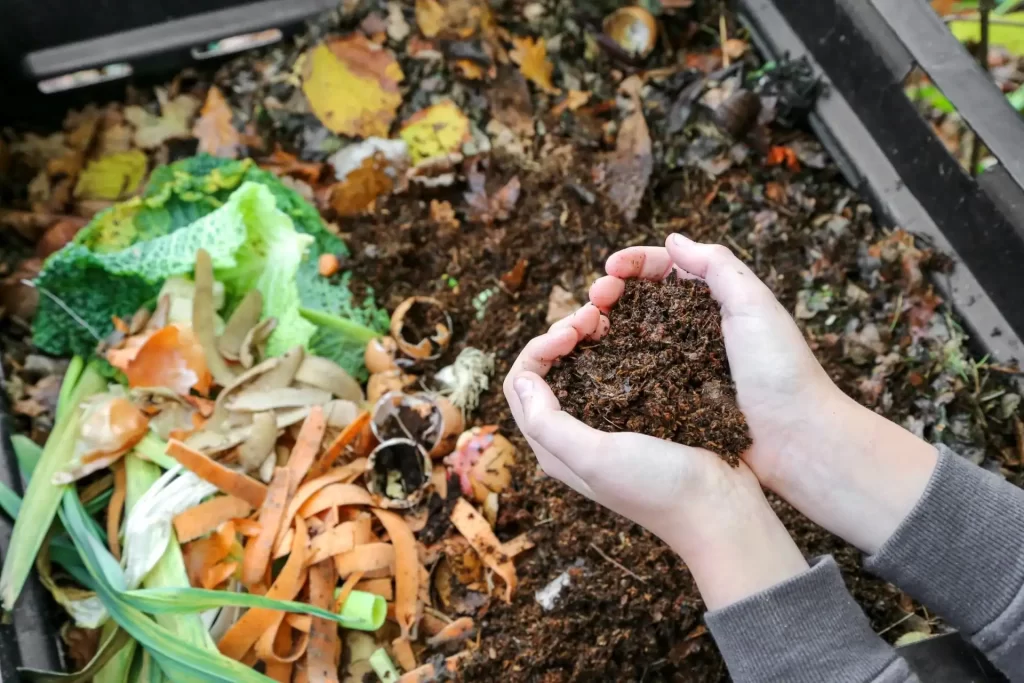
Proper maintenance ensures efficient decomposition and high-quality compost.
Aeration
- Turn the pile every 1–2 weeks to introduce oxygen.
- In bins, use a garden fork or aeration tool to mix layers.
- Aeration prevents foul odors and encourages beneficial microbial activity.
Moisture
- Keep compost moist like a wrung-out sponge.
- Add water if dry or more browns if too wet.
- Cover with a lid or cloth if exposed to heavy rain to prevent excess moisture.
Temperature
- Active composting generates heat (ideally 55–65°C).
- Heat accelerates decomposition and kills pathogens.
- Cold or slow composting is acceptable but takes longer.
Timeframe
- Hot, well-maintained compost: 2–3 months
- Cold composting (minimal turning): 6–12 months
Tip: Vermicomposting produces compost faster (4–8 weeks) with consistent feeding of kitchen scraps.
Step 5: Troubleshooting Common Compost Problems
- Odor: Usually caused by too much green material or poor aeration. Turn the pile and add more browns.
- Fruit Flies: Keep the bin covered and bury food scraps under browns.
- Slow Decomposition: Chop materials, check moisture, and turn pile regularly.
- Excess Moisture: Add shredded cardboard, newspaper, or dry leaves to absorb water.
Step 6: Harvesting Your Compost
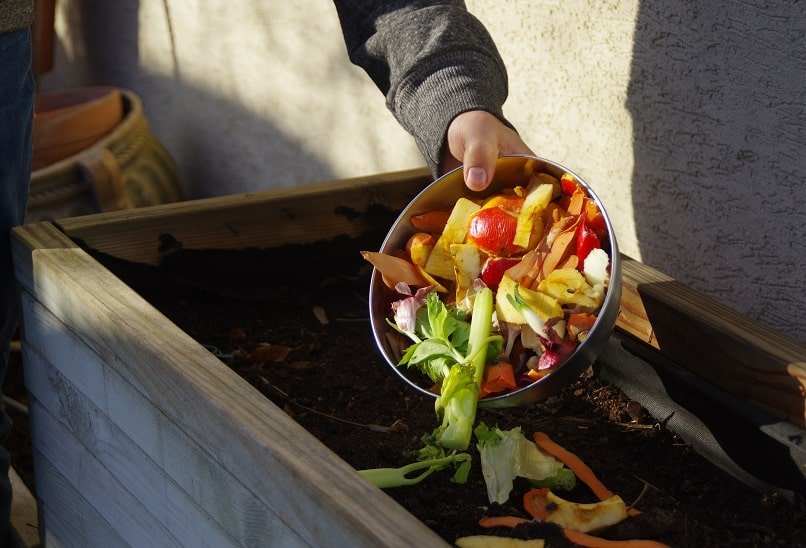
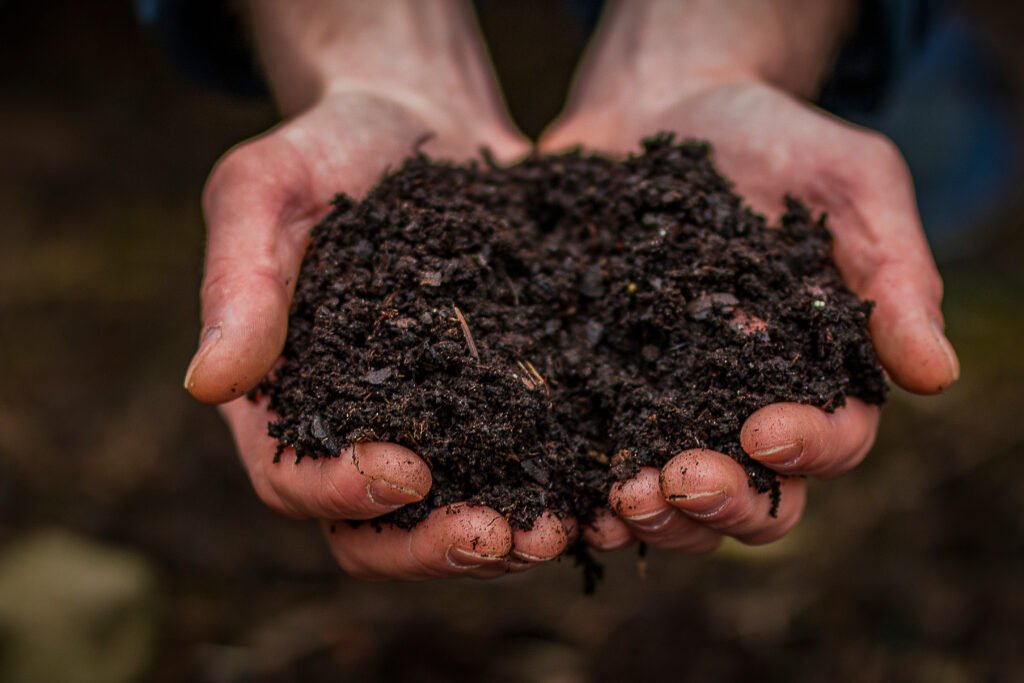
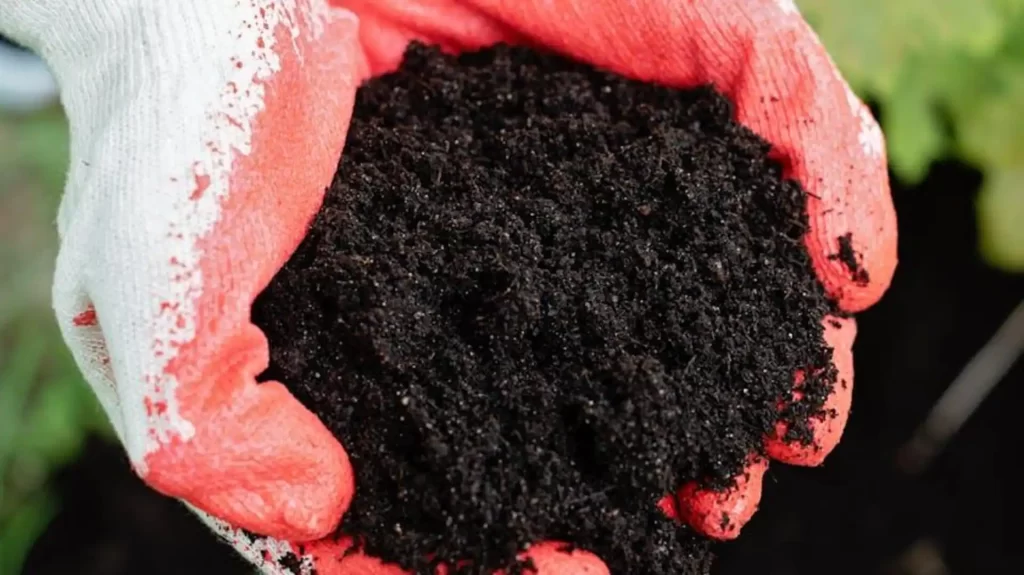
Mature compost is dark brown, crumbly, and earthy-smelling.
- Screening: Sift compost to remove large pieces that haven’t decomposed. Return those to the pile.
- Storage: Store finished compost in a dry container until ready to use.
- Usage: Use compost to enrich garden beds, container plants, or as a top dressing for vegetables and herbs.
Tip: Avoid using compost that contains meat, dairy, or diseased plants directly on edible crops without proper decomposition.
Step 7: Using Compost for Fertile Soil
Compost can dramatically improve soil fertility and structure:
- Soil Amendment: Mix compost into garden soil or container soil to increase nutrient content.
- Mulch: Apply 1–2 inches on top of soil to retain moisture and suppress weeds.
- Seed Starting: Combine compost with potting mix to provide seedlings with a nutrient-rich start.
- Transplants: Use compost when planting vegetables or herbs to improve root establishment.
Benefits: Compost adds organic matter, improves water retention, enhances soil aeration, and promotes beneficial microbial activity. Vegetables grown in compost-rich soil are healthier, more productive, and more flavorful.
Sustainability Practices in Composting
- Kitchen Waste Reduction: Use all vegetable and fruit scraps rather than discarding them.
- Eco-Friendly Containers: Reuse bins, buckets, or wooden crates for composting.
- Water Efficiency: Use leftover water from cooking vegetables to maintain moisture in your compost.
- Organic Practices: Avoid chemical additives in compost to maintain natural soil fertility.
Creative Tips for Urban Composting
- Countertop Compost Bins: Compact bins with charcoal filters reduce odor indoors.
- Bokashi Fermentation: Anaerobic fermentation of kitchen scraps for indoor composting.
- Worm Towers: Vertical worm bins integrated into container gardens for small spaces.
- Community Composting: Share or contribute excess kitchen scraps to neighborhood compost programs.
Benefits of Composting Kitchen Scraps
- Reduces Household Waste: Converts kitchen scraps into valuable resources.
- Improves Garden Productivity: Nutrient-rich compost promotes robust vegetable growth.
- Cost Savings: Reduces the need for store-bought fertilizers and soil amendments.
- Environmental Sustainability: Minimizes greenhouse gas emissions and supports regenerative gardening.
- Healthier Produce: Vegetables grown in compost are rich in essential nutrients and free from synthetic chemicals.
Conclusion
Composting kitchen scraps is a simple, sustainable, and rewarding practice that transforms waste into fertile soil. By carefully selecting plant-based scraps, maintaining the right green-to-brown ratio, and monitoring moisture, aeration, and temperature, anyone can create high-quality compost for a productive garden.
For vegetarian households, composting ensures that kitchen waste is transformed into nutrients that support the growth of fresh vegetables, herbs, and other plant-based foods. Whether using traditional piles, bins, or vermicomposting systems, the benefits of composting are manifold: improved soil fertility, healthier plants, reduced waste, and a smaller environmental footprint.
Incorporating compost into gardening practices fosters a sustainable cycle where food waste is converted into nourishment for plants, and in turn, produces fresh, healthy, and flavorful vegetables for everyday meals. With patience, attention, and consistency, composting kitchen scraps can become an essential part of a sustainable, eco-friendly lifestyle, transforming even small kitchen spaces into hubs of productivity and environmental stewardship.