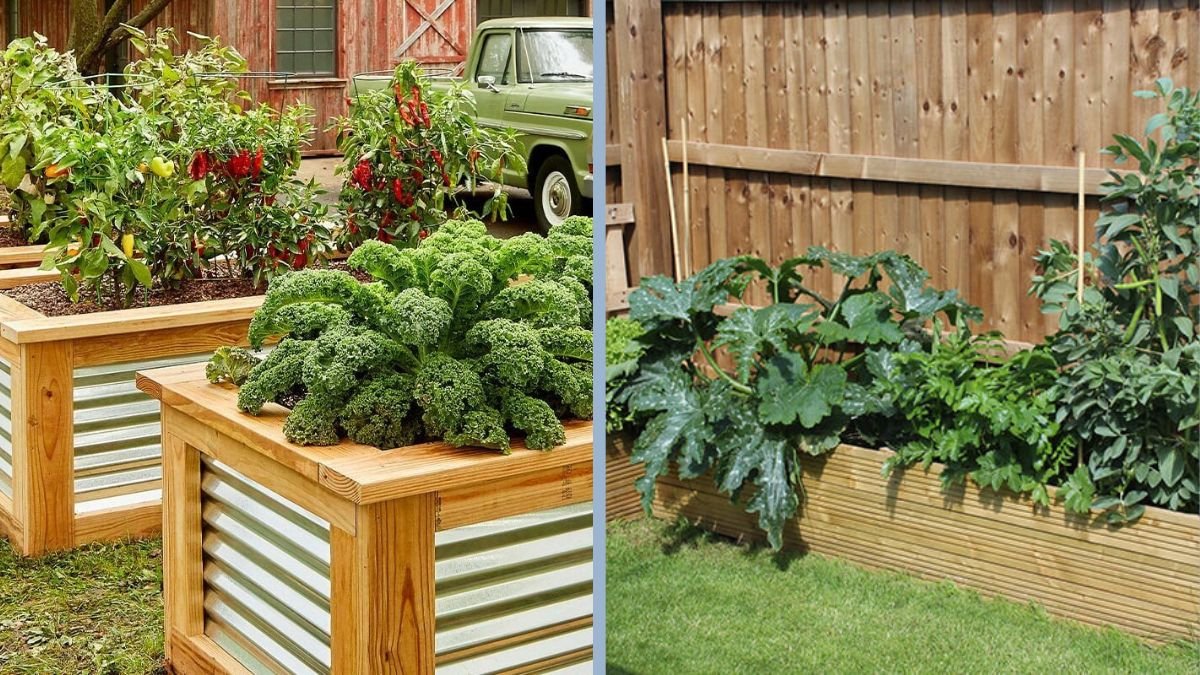
A raised bed is one of the most effective ways to grow vegetables, especially for gardeners with limited space, poor soil, or drainage issues. By elevating the growing area above ground level, raised beds provide better control over soil quality, improve drainage, reduce soil compaction, and increase yields. They are particularly beneficial for vegetarian and plant-based gardens, as they allow the cultivation of a wide variety of leafy greens, herbs, and fruiting vegetables in a healthy, nutrient-rich environment.
This article provides a step-by-step guide to building a raised bed for vegetables, covering planning, materials, construction, soil preparation, planting, maintenance, and sustainable gardening practices.
Step 1: Planning Your Raised Bed
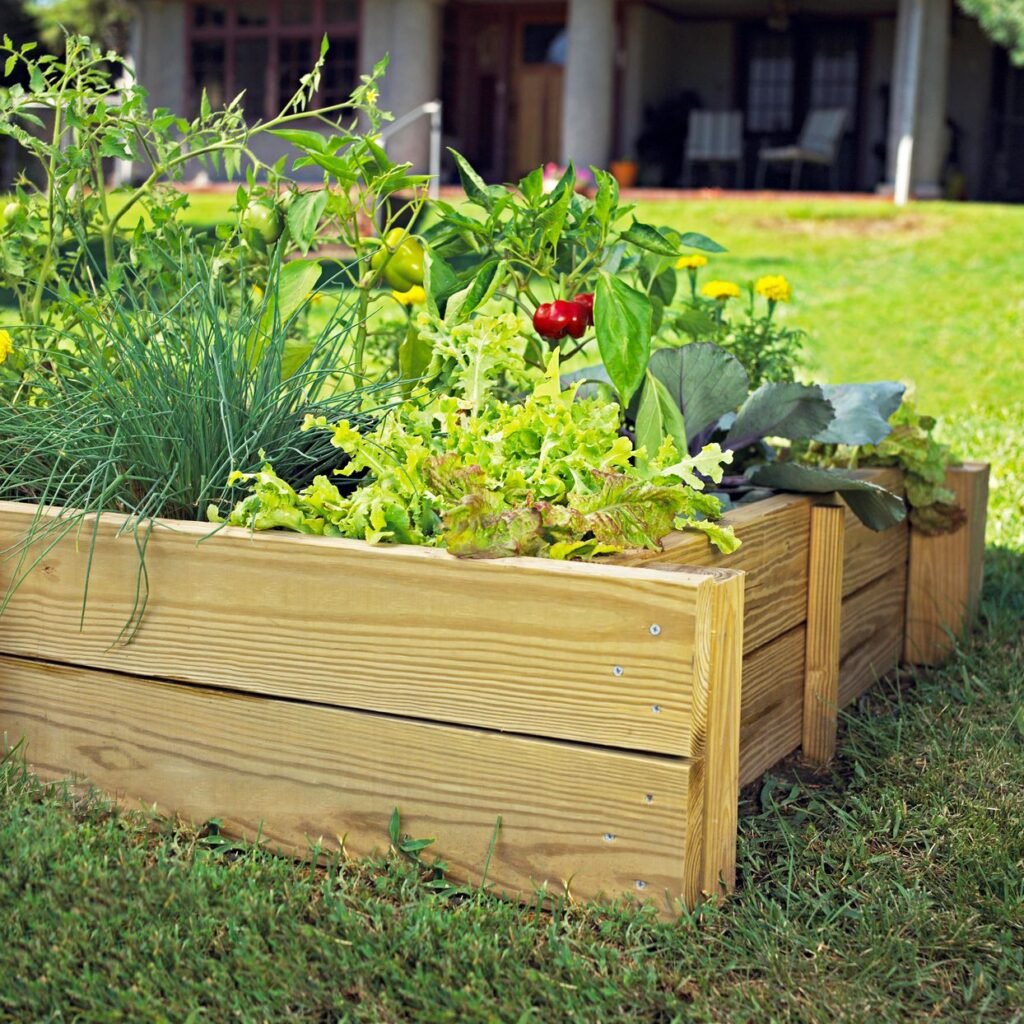
Before building, careful planning ensures that the raised bed meets your gardening needs.
1. Location
- Choose a spot with 6–8 hours of sunlight daily, as most vegetables require ample sunlight.
- Ensure easy access to water for consistent irrigation.
- Avoid areas prone to waterlogging or heavy shade.
2. Size and Shape
- Width: Keep beds 3–4 feet wide so you can reach the center without stepping on the soil.
- Length: Unlimited, but consider available space and ease of maintenance.
- Height: 12–18 inches is typical; higher beds reduce bending and improve drainage.
3. Orientation
- Align beds north to south for even sunlight exposure.
- Leave space between beds for pathways to ease access and harvesting.
Step 2: Selecting Materials
Raised beds can be built using a variety of materials:
- Wood: Cedar, redwood, or untreated pine are natural, durable, and aesthetically pleasing.
- Recycled Materials: Old bricks, concrete blocks, or reclaimed wood offer sustainability.
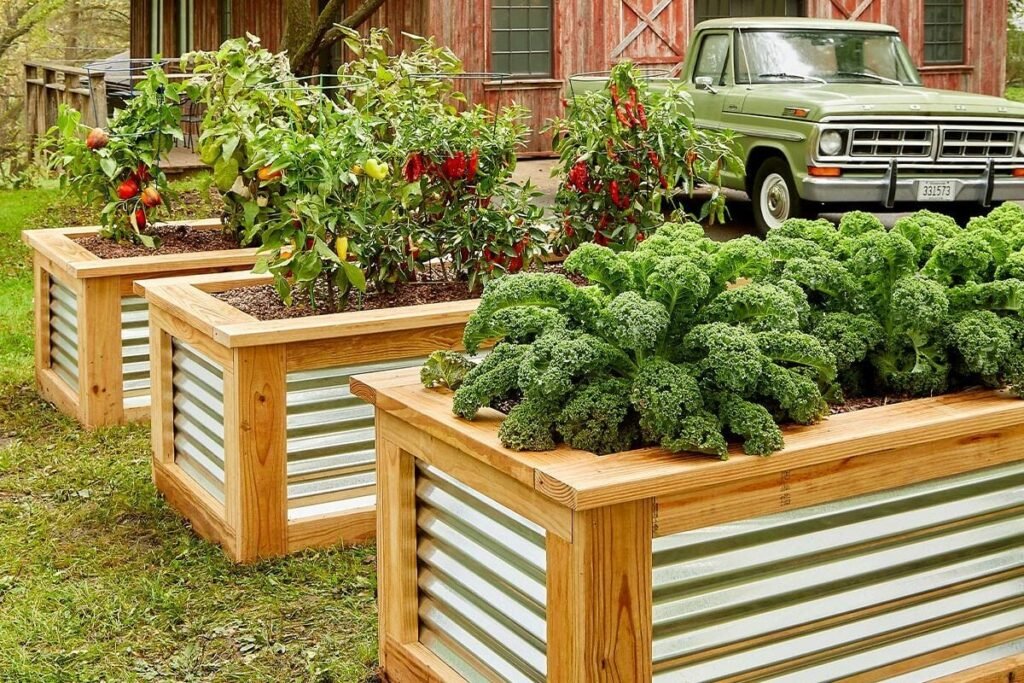
- Metal: Galvanized steel or aluminum beds are long-lasting and low-maintenance.
- Composite Materials: Made from recycled plastics, these resist rot and insects.
Pro Tip: Avoid treated wood with harmful chemicals, as these can leach into the soil and affect edible crops.
Step 3: Preparing the Site
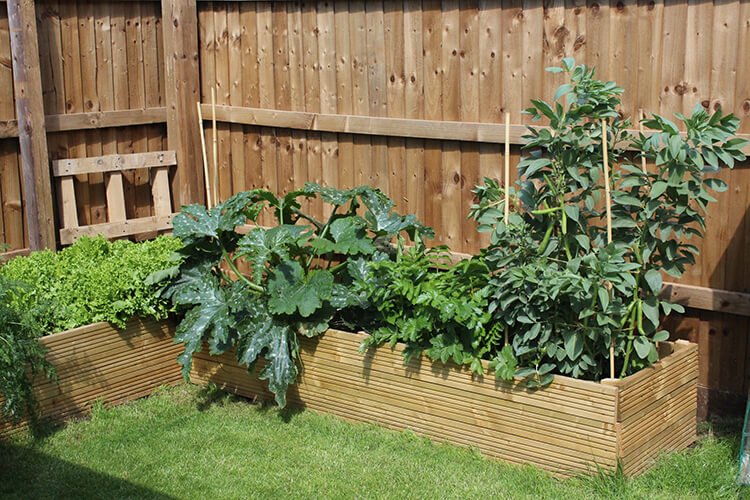
Proper site preparation ensures healthy plant growth:
- Clear the Area: Remove grass, weeds, and debris.
- Level the Ground: Ensure the base is flat for stability and uniform soil depth.
- Optional Barrier: Lay cardboard or landscape fabric to suppress weeds while allowing drainage.
Step 4: Constructing the Raised Bed
Materials Needed:
- Lumber or chosen material for sides
- Screws or nails
- Drill or hammer
- Measuring tape
- Corner brackets (optional)
Construction Steps:
- Measure and cut wood to desired dimensions.
- Assemble the frame, ensuring corners are square.
- Drill pilot holes to prevent splitting wood, then fasten sides with screws or nails.
- Place the frame on the prepared site.
- Optional: Add a bottom layer of coarse gravel for extra drainage, especially in clay-heavy soil.
Tip: Beds can be built directly on soil or elevated slightly with legs for easier access.
Step 5: Choosing and Preparing Soil
Soil quality is crucial for productive raised beds.
Ideal Soil Mix:
- Topsoil (40–50%): Provides bulk and structure.
- Compost (30–40%): Supplies nutrients and improves moisture retention.
- Coarse Sand or Perlite (10–20%): Ensures drainage and prevents compaction.
Steps:
- Mix components thoroughly before filling the bed.
- Fill the raised bed to within 1–2 inches of the top edge.
- Moisten the soil lightly before planting.
Pro Tip: Rotate soil ingredients annually to maintain fertility and structure.
Step 6: Choosing Vegetables for a Raised Bed
Raised beds support a wide range of vegetables, making them ideal for compact or intensive planting:
- Leafy Greens: Lettuce, spinach, kale, arugula.
- Root Vegetables: Carrots, radishes, beets, turnips.
- Fruiting Vegetables: Tomatoes, peppers, cucumbers, bush beans.
- Herbs: Basil, parsley, cilantro, thyme, mint.
Tips for Small-Space Planning:
- Plant taller vegetables at the back and shorter ones at the front.
- Consider companion planting to maximize space and naturally deter pests.
Step 7: Planting in Your Raised Bed
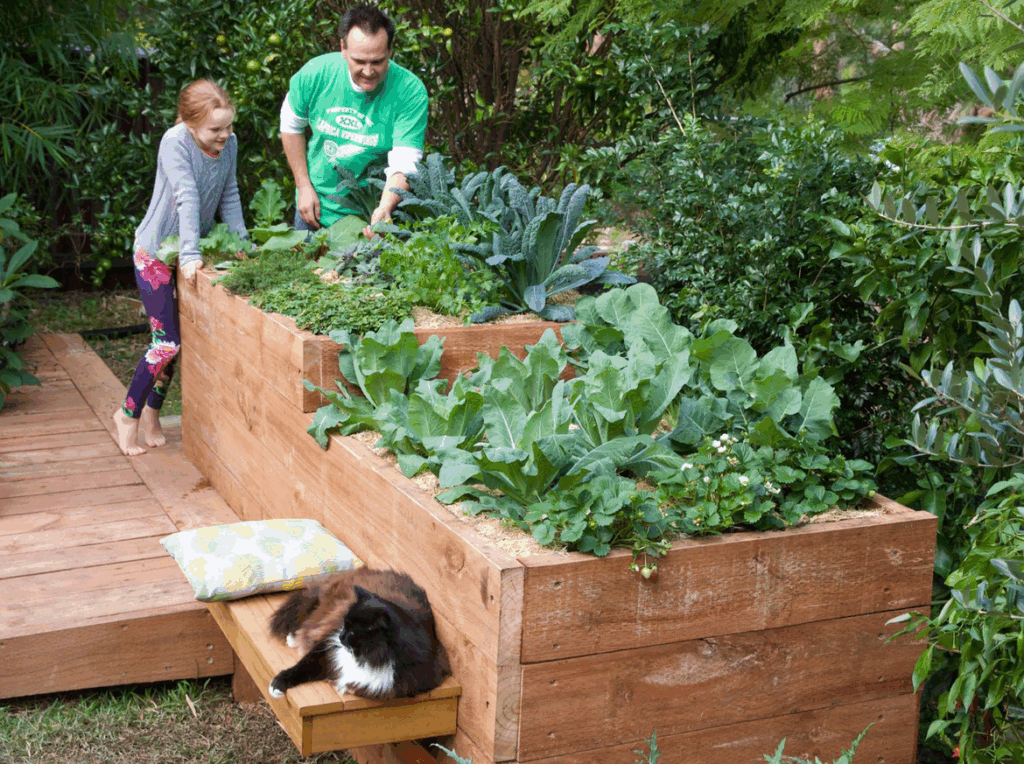
- Sow seeds or transplant seedlings according to spacing recommendations.
- Water gently but thoroughly after planting.
- Mulch around plants with straw, leaves, or compost to retain moisture and suppress weeds.
Pro Tip: Succession planting (staggered sowing) ensures a continuous harvest throughout the season.
Step 8: Watering and Maintenance
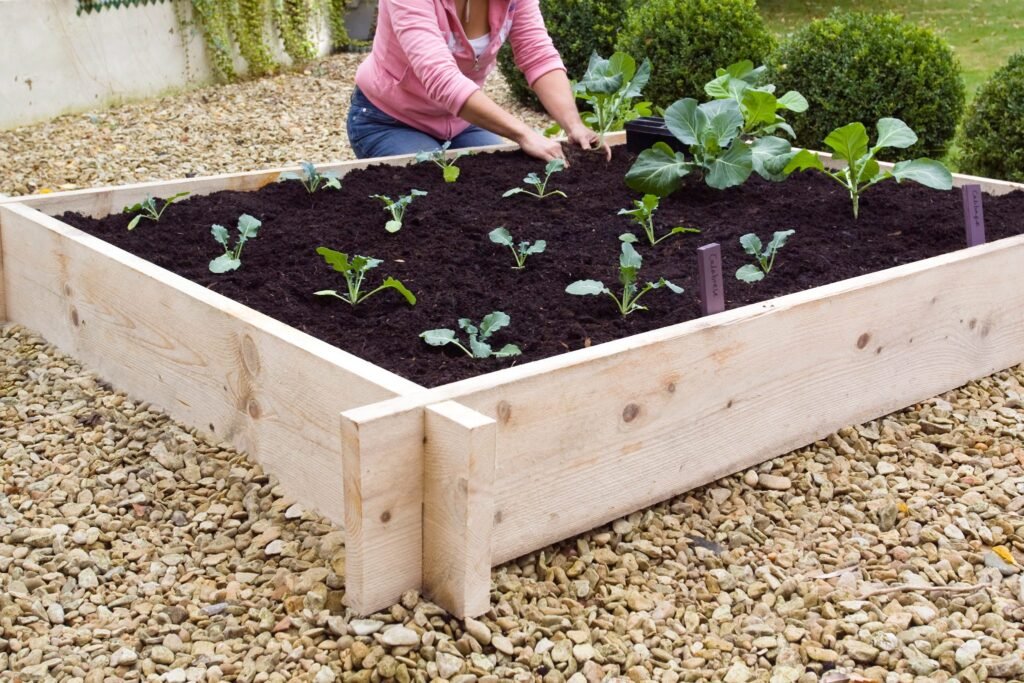
Proper care maintains productivity and prolongs the life of your raised bed:
Watering:
- Keep soil consistently moist but not waterlogged.
- Early morning watering reduces evaporation and fungal issues.
- Drip irrigation or soaker hoses can save water and time.
Fertilization:
- Add organic fertilizers like compost tea, worm castings, or liquid seaweed periodically.
- Avoid chemical fertilizers to maintain organic, vegetarian-friendly produce.
Pruning and Weeding:
- Remove damaged or diseased leaves promptly.
- Thin crowded plants to allow airflow and reduce pest pressure.
Step 9: Pest and Disease Management
Raised beds can reduce many soil-borne pests, but vigilance is necessary:
- Common Pests: Aphids, caterpillars, slugs, whiteflies.
- Natural Remedies: Neem oil sprays, garlic-chili sprays, or insecticidal soap.
- Companion Planting: Marigolds, basil, or nasturtiums can repel pests naturally.
- Crop Rotation: Prevents buildup of soil-borne diseases by changing plant families each season.
Step 10: Harvesting and Succession
Raised beds allow for easy, frequent harvesting:
- Leafy Greens: Harvest outer leaves first, leaving the center to regrow.
- Root Vegetables: Pull when they reach the desired size.
- Fruiting Vegetables: Pick tomatoes, peppers, or cucumbers when fully mature.
Succession planting maximizes productivity: once one crop is harvested, immediately sow another to maintain continuous yield.
Benefits of Raised Bed Gardening
- Enhanced Soil Quality: Easier to control soil mix and drainage.
- Higher Yields: Dense planting and improved conditions increase productivity.
- Reduced Soil Compaction: No walking on the bed preserves soil structure.
- Weed Reduction: Easier to manage compared to traditional rows.
- Accessibility: Elevated beds reduce bending, making gardening easier for all ages.
- Sustainability: Promotes organic, low-waste, and plant-based gardening.
Sustainability Practices for Raised Beds
- Use Recycled Materials: Old wood, bricks, or pallets reduce environmental impact.
- Composting: Use kitchen scraps and garden waste to enrich soil naturally.
- Water Conservation: Implement drip irrigation or mulch to minimize water usage.
- Seasonal Planting: Grow crops suited to the local climate to reduce resource inputs.
Conclusion
Building a raised bed for vegetables is a practical and rewarding way to grow healthy, fresh, and pesticide-free produce at home. From careful planning and site selection to soil preparation, planting, and maintenance, each step contributes to a productive and sustainable kitchen garden.
Raised beds offer numerous advantages over traditional in-ground gardening, including improved soil quality, better drainage, reduced weeds, and higher yields. They are also highly adaptable to small spaces, making them ideal for urban gardeners or anyone with limited land.
By choosing the right vegetables, maintaining soil health, managing water and pests responsibly, and implementing sustainable practices, gardeners can enjoy a continuous supply of fresh, nutritious vegetables for vegetarian meals. A well-built raised bed not only enhances food security and nutrition but also fosters a deeper connection with nature, promotes sustainability, and transforms any outdoor space into a vibrant, productive garden.