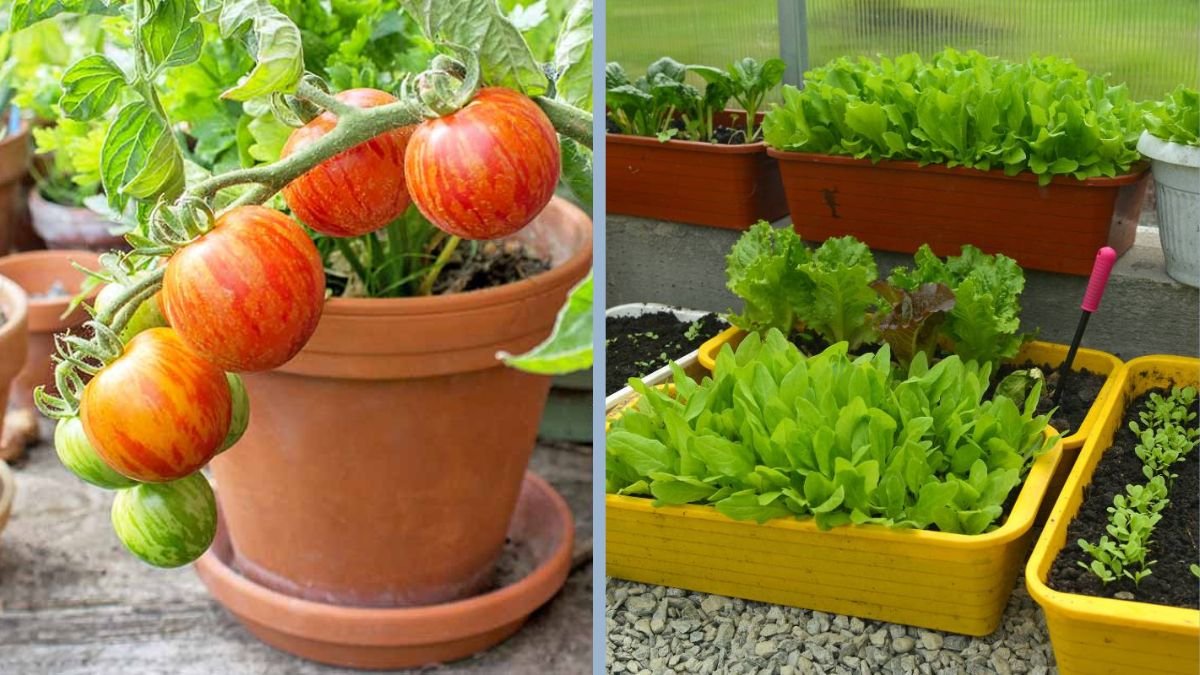
Container gardening has become increasingly popular, especially for urban dwellers and those with limited outdoor space. Even in apartments, balconies, patios, or small backyards, you can cultivate fresh, nutritious vegetables using pots, planters, or other containers. Container gardening allows for better soil control, easier pest management, and flexible placement to maximize sunlight exposure.
For vegetarian households, growing your own vegetables in containers is a cost-effective and sustainable way to ensure a constant supply of fresh produce. This article explores seven vegetables that thrive in containers, along with detailed planting, care, and maintenance guidelines for maximizing yield and flavor.
Benefits of Container Gardening
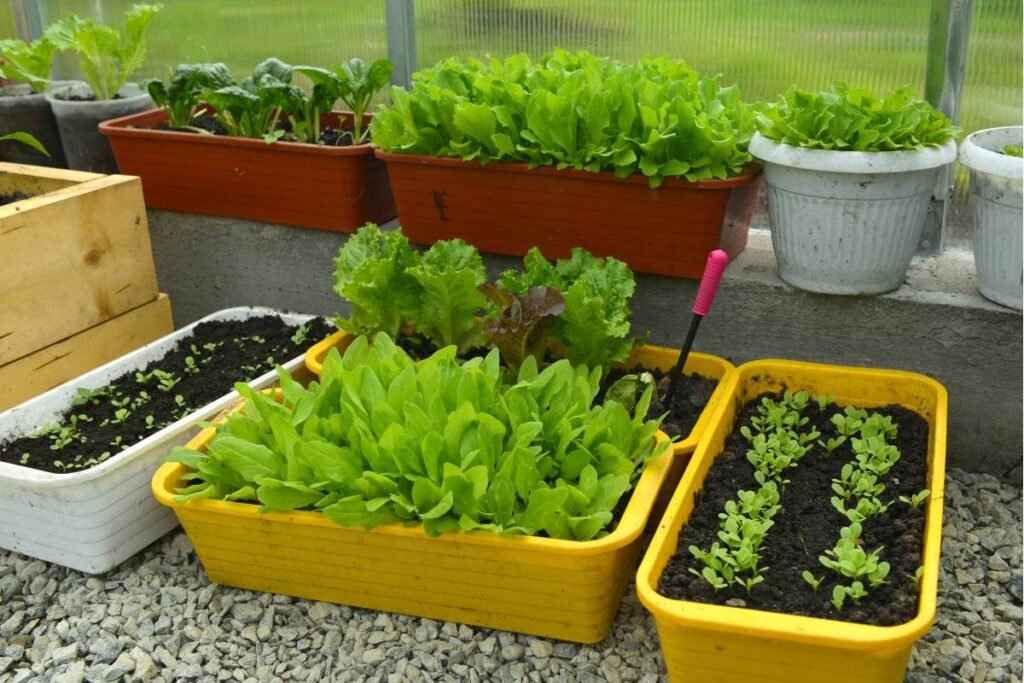
Before diving into the vegetables, it is important to understand why container gardening is beneficial:
- Space Efficiency: Perfect for small balconies, rooftops, or patios.
- Soil Control: Allows for a customized soil mix, ensuring optimal growth.
- Pest Management: Containers reduce the risk of soil-borne pests and diseases.
- Mobility: Containers can be moved to optimize sunlight or protect plants from harsh weather.
- Accessibility: Raised pots or containers reduce bending and make harvesting easier.
1. Tomatoes
Tomatoes are one of the most rewarding container vegetables. Compact, bush, or determinate varieties are best for pots.
Planting Tips:
- Use containers at least 12 inches deep with drainage holes.
- Plant in nutrient-rich potting mix with compost or organic fertilizer.
- Provide stakes, cages, or trellises for support.
- Water regularly, keeping soil consistently moist but not waterlogged.
Care:
- Place in full sun for 6–8 hours per day.
- Pinch off suckers to promote larger fruit growth.
- Fertilize every 3–4 weeks with liquid compost or organic fertilizer.
Benefits:
- Tomatoes provide vitamin C, potassium, and antioxidants, making them ideal for a vegetarian diet.
2. Lettuce
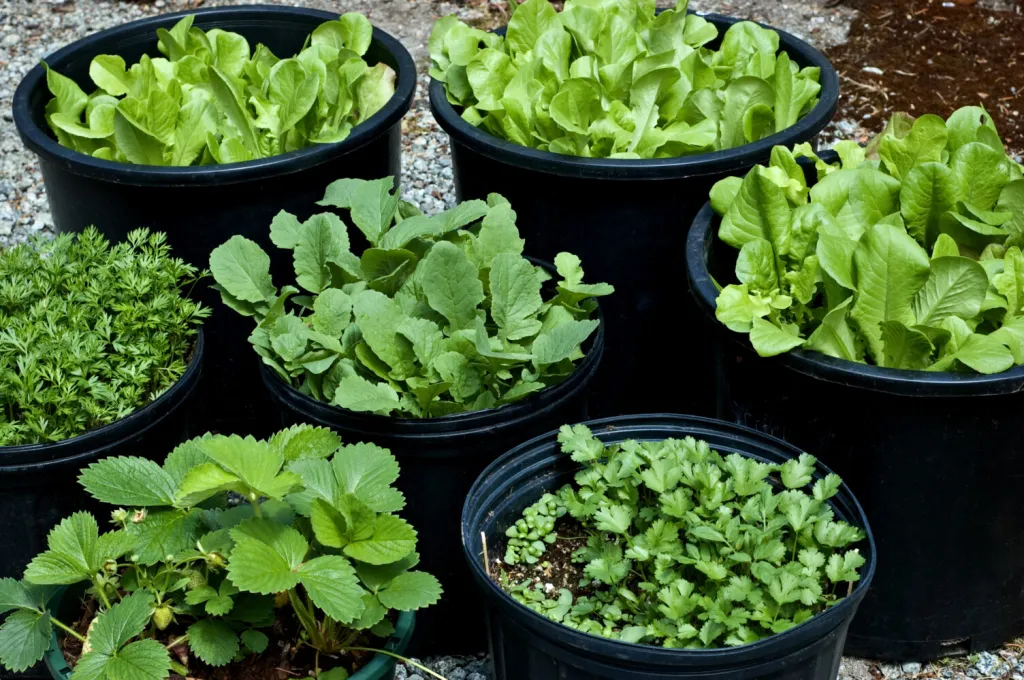
Leafy greens like lettuce are ideal for container gardening because they grow quickly and require minimal depth.
Planting Tips:
- Use shallow containers (6–8 inches deep).
- Sow seeds densely for baby leaves or thin them for full-sized heads.
- Mix compost into potting soil for fertility.
Care:
- Provide 4–6 hours of sunlight per day or partial shade in hot climates.
- Water consistently to prevent wilting.
- Harvest leaves regularly from the outer edges to encourage regrowth.
Benefits:
- Lettuce is rich in vitamins A, C, K, and folate, essential for plant-based diets.
3. Spinach
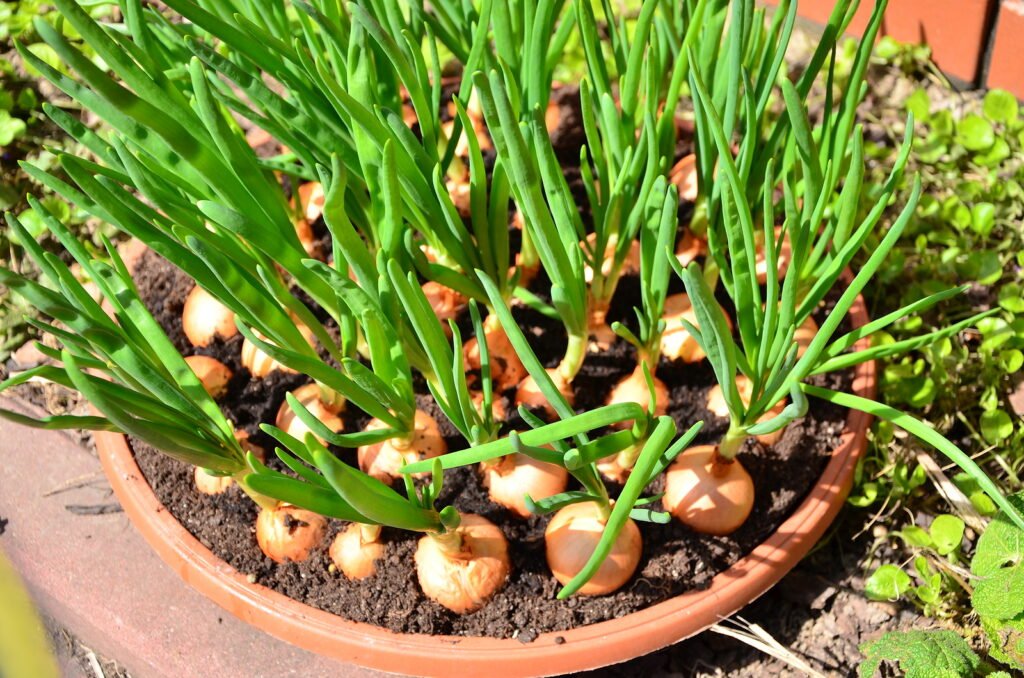
Spinach is a fast-growing leafy green that thrives in containers and can be harvested multiple times in a season.
Planting Tips:
- Use containers at least 6–8 inches deep.
- Sow seeds directly in soil or start seedlings indoors.
- Incorporate compost for nutrient-rich soil.
Care:
- Spinach prefers cooler temperatures, so partial shade may be ideal in summer.
- Water regularly to keep soil moist.
- Harvest leaves before they become too mature for optimal taste.
Benefits:
- Spinach is packed with iron, calcium, vitamins A, C, and antioxidants, making it a nutritious staple for vegetarian cooking.
4. Bell Peppers
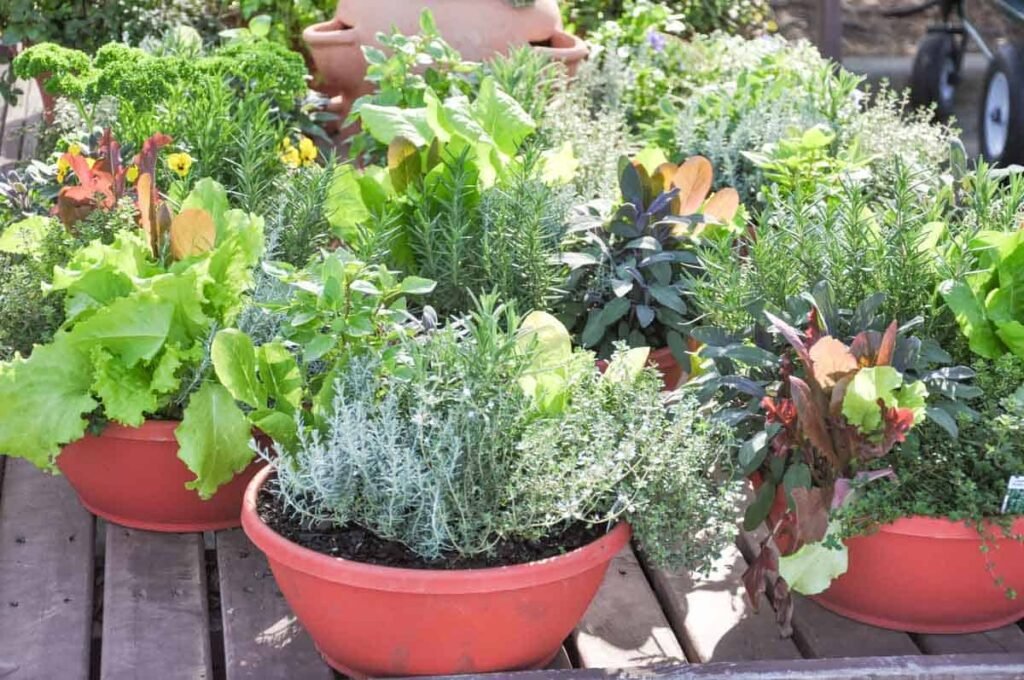
Bell peppers are compact fruiting vegetables that thrive in containers when given sufficient sunlight.
Planting Tips:
- Use containers at least 12 inches deep with good drainage.
- Plant seedlings instead of seeds for faster growth.
- Mix potting soil with compost or well-rotted organic matter.
Care:
- Provide 6–8 hours of sunlight daily.
- Support plants with stakes if necessary.
- Fertilize every 3–4 weeks with an organic liquid fertilizer.
Benefits:
- Bell peppers are high in vitamin C, beta-carotene, and antioxidants, adding both flavor and color to vegetarian dishes.
5. Radishes
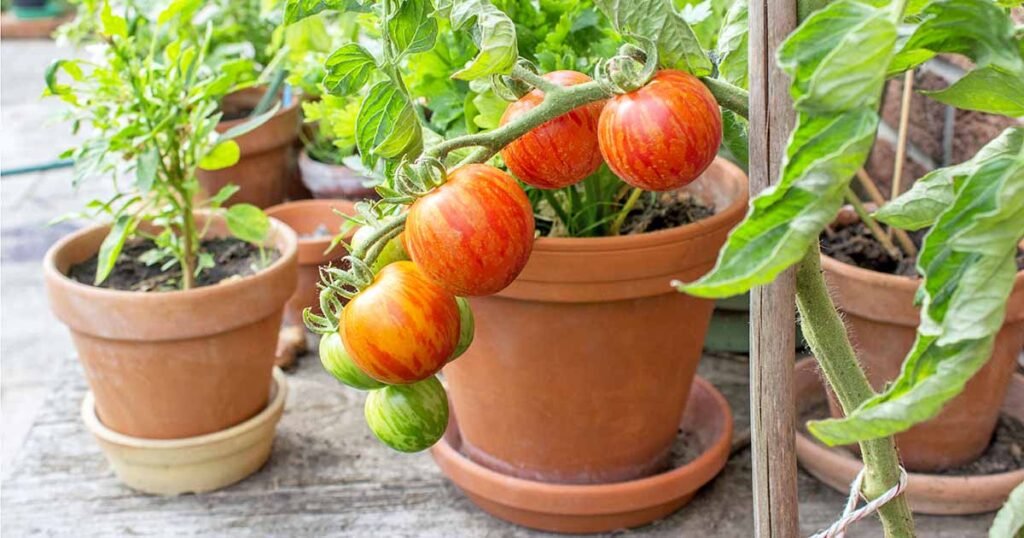
Radishes are fast-growing root vegetables that are perfect for container gardening, even in small spaces.
Planting Tips:
- Use containers at least 6 inches deep.
- Sow seeds directly in soil, spacing 1–2 inches apart.
- Thin seedlings to prevent overcrowding.
Care:
- Provide 4–6 hours of sunlight daily.
- Keep soil consistently moist to ensure crisp, tender roots.
- Harvest in 3–4 weeks for optimal flavor.
Benefits:
- Radishes are rich in fiber, vitamin C, and antioxidants. They can be eaten raw in salads or lightly cooked.
6. Carrots
Carrots are adaptable to container gardening when proper depth is provided.
Planting Tips:
- Use containers at least 10–12 inches deep to allow proper root growth.
- Sow seeds directly and thin seedlings to prevent crowding.
- Use loose, well-draining soil to avoid forked roots.
Care:
- Full sun exposure for 6–8 hours is ideal.
- Water regularly, keeping soil evenly moist.
- Fertilize sparingly to avoid excessive leaf growth at the expense of roots.
Benefits:
- Carrots are high in beta-carotene, fiber, and vitamin K, making them an excellent addition to vegetarian meals.
7. Herbs (Basil, Parsley, Cilantro, Thyme, Mint)
Herbs are compact, flavorful, and essential for plant-based cooking. Many thrive in containers.
Planting Tips:
- Use small pots (4–6 inches deep) or grouped containers.
- Sow seeds or use seedlings.
- Ensure good-quality potting mix with some compost.
Care:
- Provide at least 4–6 hours of sunlight daily.
- Water consistently but avoid waterlogging.
- Harvest leaves regularly to encourage bushy growth.
Benefits:
- Herbs add flavor, aroma, and nutrients without adding calories. They are rich in antioxidants, vitamins, and essential oils beneficial for health.
Tips for Successful Container Gardening
- Choose the Right Container Size: Larger containers allow deeper roots and better yields.
- Ensure Drainage: Always use pots with drainage holes to prevent root rot.
- Sunlight Exposure: Most vegetables need 6–8 hours of direct sunlight daily.
- Soil Quality: Use well-draining, nutrient-rich soil.
- Watering: Maintain consistent moisture but avoid overwatering.
- Fertilization: Use organic fertilizers like compost, worm castings, or liquid seaweed every few weeks.
- Pest Management: Use natural remedies like neem oil or companion planting to prevent pests.
- Succession Planting: Plant new seeds regularly to maintain continuous harvest.
Benefits of Growing Vegetables in Containers
- Freshness: Harvest on-demand for maximum flavor and nutrients.
- Accessibility: Perfect for small spaces and urban environments.
- Sustainability: Reduces food miles and packaging waste.
- Cost Savings: Fewer trips to the grocery store and longer-lasting produce.
- Culinary Creativity: Fresh vegetables enhance salads, soups, stir-fries, and sauces.
Conclusion
Container gardening offers a flexible and rewarding way to grow vegetables, even in limited spaces. The seven vegetables discussed—tomatoes, lettuce, spinach, bell peppers, radishes, carrots, and herbs—thrive in containers and provide a diverse, nutrient-rich harvest ideal for vegetarian meals.
By selecting the right containers, using nutrient-rich soil, providing adequate sunlight, and practicing consistent care, anyone can enjoy fresh, homegrown vegetables year-round. Container gardening not only enhances food security and nutrition but also promotes sustainability, reduces waste, and brings the satisfaction of cultivating your own food, even in urban environments.
With patience, planning, and regular maintenance, container gardening transforms small spaces into productive, green oases that supply fresh, healthy, and flavorful vegetables for all kinds of plant-based cooking.