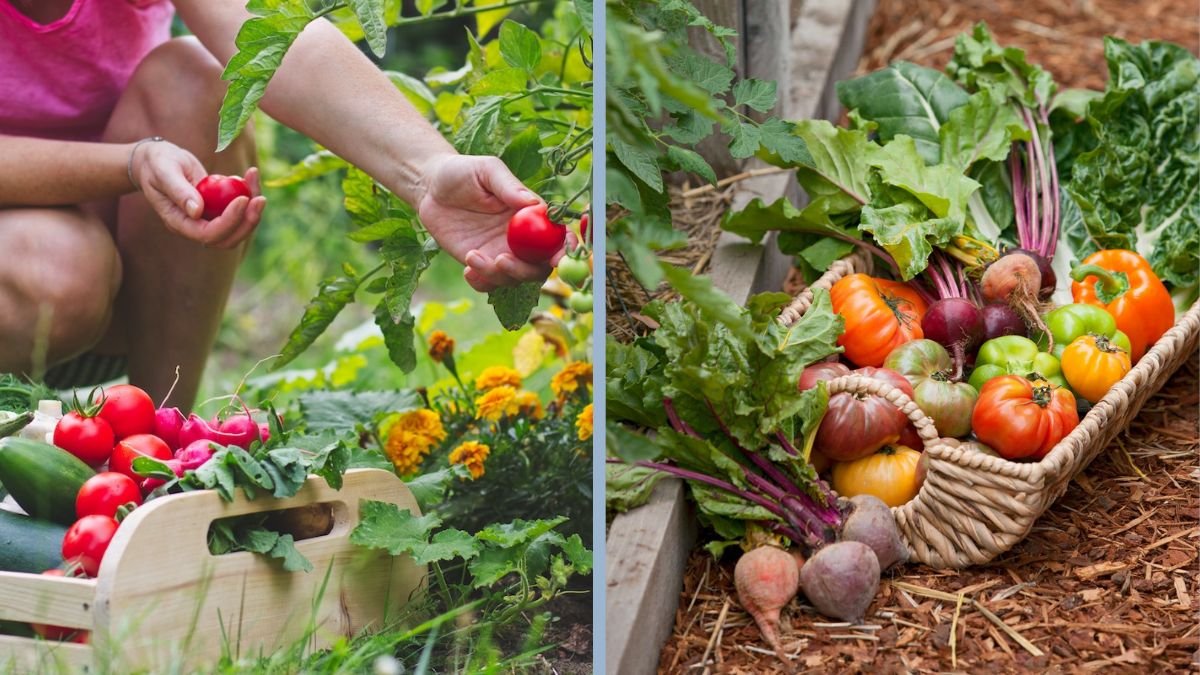
Harvesting fruits and vegetables at the right time is crucial for both taste and nutritional value. Picking produce too early can result in bland flavors and stunted growth, while leaving crops on the plant too long may lead to overripeness, spoilage, or reduced productivity. Understanding the signs of readiness allows gardeners to maximize yield, flavor, and longevity of their homegrown produce.
This article explores the key indicators to determine when fruits and vegetables are ready to harvest, focusing on visual cues, touch, aroma, and size. By following these principles, home gardeners and urban growers can enjoy fresh, nutrient-rich vegetables and fruits at their peak quality.
1. Why Proper Harvest Timing Matters
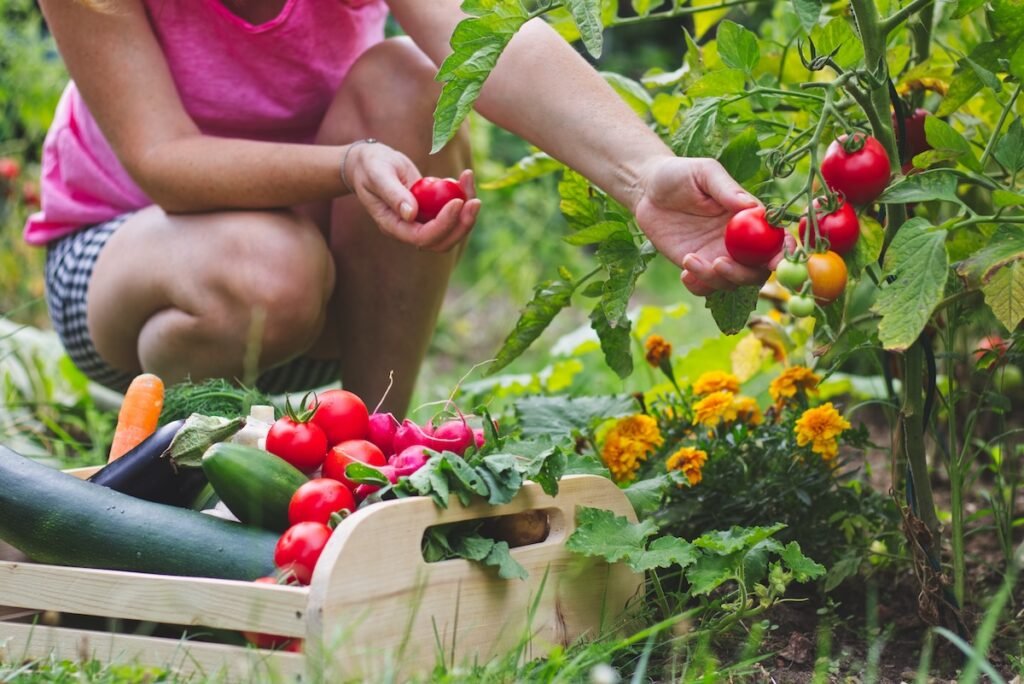
Harvesting at the right moment is more than just aesthetic. Proper timing affects:
- Flavor: Fruits and vegetables develop their full sugars, acidity, and texture when mature.
- Nutrition: Vitamins, antioxidants, and minerals are highest at peak ripeness.
- Storage life: Harvesting too early or late reduces shelf life.
- Plant health: Timely harvesting encourages continuous production and reduces disease risk.
In short, knowing when to harvest ensures maximum benefits from your garden while promoting sustainable and productive growth cycles.
2. Visual Indicators of Ripeness
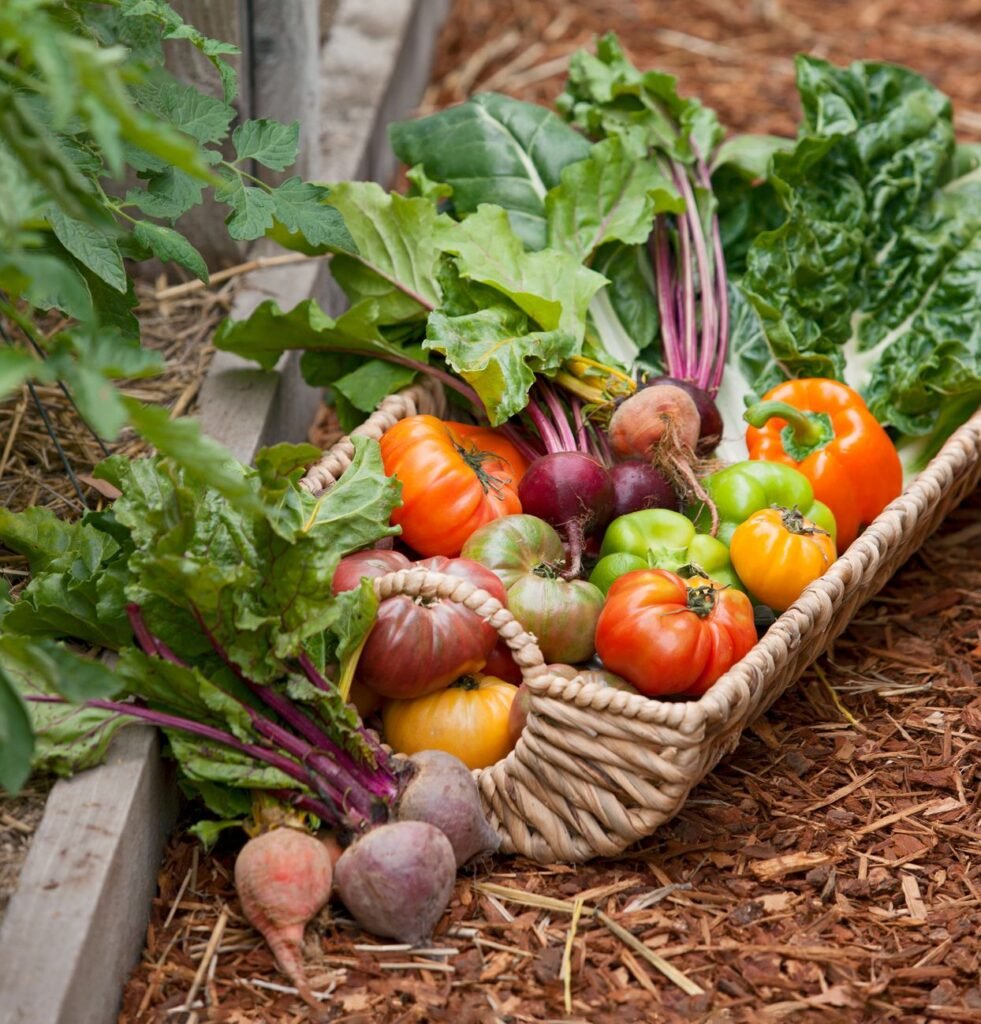
Most fruits and vegetables provide visual cues signaling readiness for harvest.
2.1 Color Changes
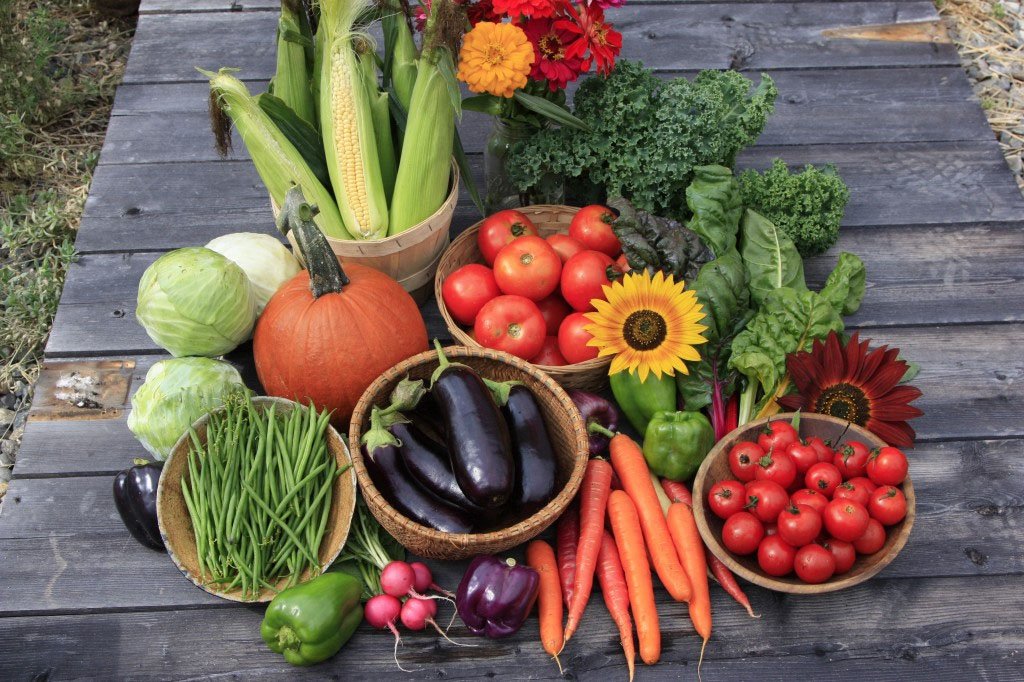
- Tomatoes: Turn from green to red, yellow, or orange, depending on the variety. A uniform color indicates maturity.
- Peppers: Bell peppers start green but develop red, yellow, or orange when fully ripe. Hot peppers deepen in color as they mature.
- Eggplants: Shiny skin with a deep hue; dull or brown skin may indicate overripeness.
- Cucumbers: Dark green, firm, and glossy; yellowing indicates overripeness.
2.2 Size and Shape
- Carrots: Bulbs reach expected diameter for the variety.
- Radishes: Round and firm, typical for the variety.
- Zucchini: Harvest when 6–8 inches long for tender texture.
- Pumpkins and squash: Reaches mature size and firm rind.
2.3 Skin Texture and Firmness
- Leafy greens: Spinach, lettuce, and kale should have tender leaves; overly coarse leaves suggest delayed harvest.
- Root vegetables: Firm to the touch; soft or woody roots indicate over-maturity.
3. Touch and Firmness
Physical examination provides a reliable way to assess ripeness:
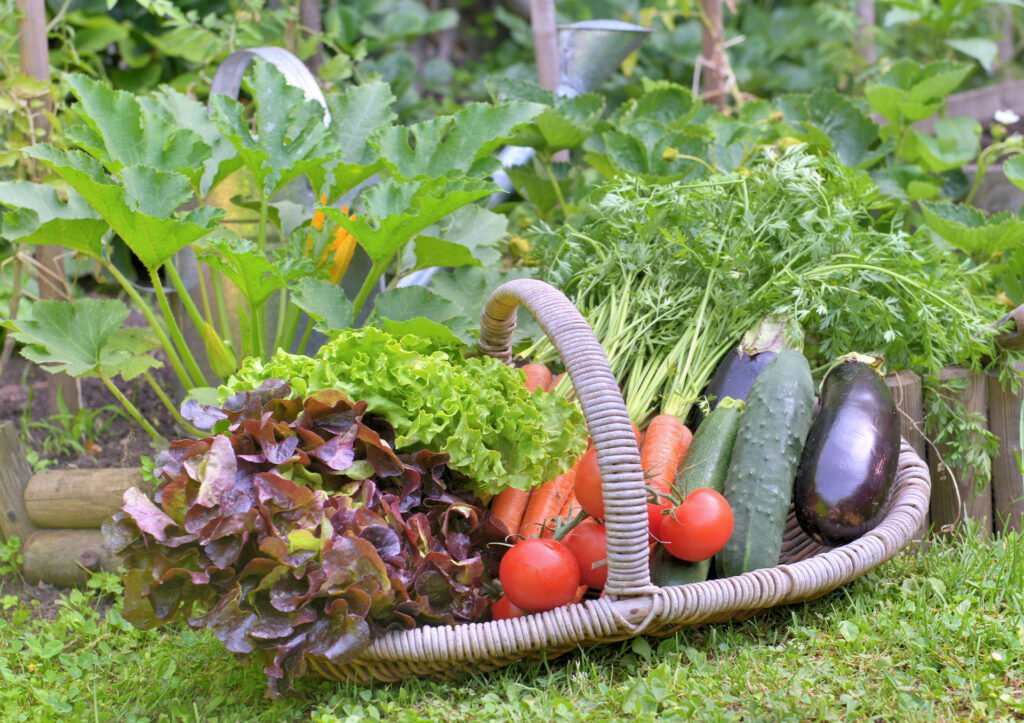
- Tomatoes and peppers: Gentle squeeze; ripe fruit yields slightly without being mushy.
- Squash and zucchini: Firm, not spongy.
- Melons: Slightly soft at the blossom end (opposite the stem).
- Beans and peas: Snap easily when bent, indicating tenderness.
Touch allows gardeners to judge readiness beyond visual appearance, ensuring optimal texture and flavor.
4. Aroma as an Indicator
Fragrance can reveal ripeness, especially for fruits:
- Melons and cantaloupes: Sweet aroma at the stem end signals peak ripeness.
- Tomatoes: Fresh, sweet smell indicates readiness.
- Herbs: Strong, aromatic scent often peaks just before flowering, ideal for harvesting.
- Peaches and nectarines: Sweet fragrance signals optimal sugar content.
Aromatics complement visual and tactile indicators for a holistic approach to harvesting.
5. Timing for Specific Vegetables
5.1 Leafy Greens
- Harvest baby leaves early for tenderness or full-sized leaves later for larger harvests.
- Continuous picking encourages new growth.
5.2 Root Vegetables
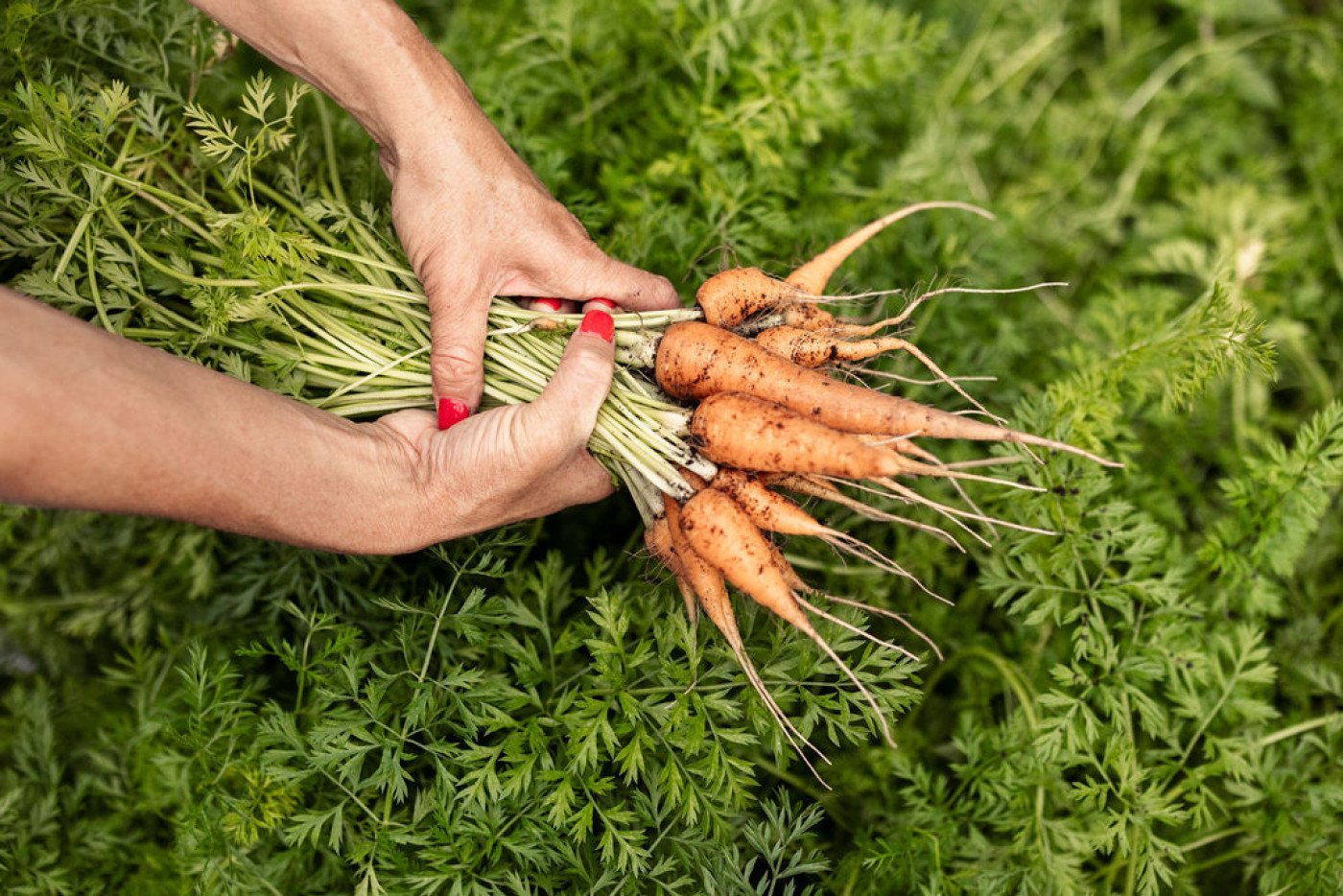
- Carrots, beets, and radishes should be pulled when roots reach their expected size.
- Check soil moisture; lightly loosen soil to assess size without damaging roots.
5.3 Fruiting Vegetables
- Tomatoes, peppers, and cucumbers require a combination of color, firmness, and size cues.
- Cucumbers are best when firm and medium-sized; over-mature cucumbers turn yellow and develop large seeds.
5.4 Squash and Pumpkins
- Summer squash (zucchini, yellow squash): Harvest at 6–8 inches for tenderness.
- Winter squash and pumpkins: Harvest when rind is hard and skin color is uniform.
6. Timing for Specific Fruits
6.1 Melons and Watermelons
- Look for a creamy yellow spot on the underside where it rested on the ground.
- Check for a deepening, sweet aroma and a slight softening at the blossom end.
- Tap test: a hollow sound often indicates ripeness.
6.2 Citrus Fruits
- Color may not change drastically; focus on size, slight softness, and fragrance.
- Taste test a sample fruit to ensure sweetness.
6.3 Berries
- Strawberries, blueberries, and raspberries should be fully colored, plump, and easily detached.
- Taste-test for sweetness; unripe berries lack flavor.
7. Seasonal Considerations
Season and climate influence harvest timing:
- Cool-season crops: Lettuce, spinach, and peas mature faster in spring and fall; warm temperatures may trigger bolting.
- Warm-season crops: Tomatoes, peppers, and squash need consistent warmth; cooler nights slow maturation.
- Frost-sensitive crops: Harvest before the first frost to avoid damage.
Observing seasonal patterns ensures optimal ripeness and prevents loss due to environmental stress.
8. Successive Harvesting
Some crops benefit from continuous harvesting:
- Leafy greens: Cut-and-come-again method encourages new growth.
- Beans and peas: Pick frequently to promote additional flowering and pods.
- Herbs: Regular trimming prevents flowering and prolongs leaf production.
- Tomatoes and peppers: Harvest ripe fruit to encourage more blooms and prevent disease from overripening.
Successive harvesting keeps plants productive and ensures a steady supply of fresh produce.
9. Common Mistakes to Avoid
- Relying solely on color: Some varieties retain green or unique coloration even when mature; use size, texture, and aroma as additional indicators.
- Waiting too long: Overripe fruits may become bitter, tough, or prone to rot.
- Pulling immature roots: Roots may be small, tough, and less flavorful.
- Ignoring tactile cues: Visual cues alone may not reveal firmness, sugar content, or texture.
Awareness of these common mistakes improves harvest accuracy and garden productivity.
10. Tools for Accurate Harvesting
- Harvesting knife or scissors: Prevent damage to plants and surrounding fruits.
- Garden fork: Helps loosen soil for root crops.
- Magnifying glass: Inspect flowers or small fruits for subtle ripeness signs.
- Harvest basket: Keeps fruits and vegetables organized and prevents bruising.
Using the right tools ensures efficiency and minimizes plant stress.
11. Post-Harvest Handling
- Immediate use: Some crops like berries and leafy greens are best consumed fresh.
- Cleaning: Gently wash produce, avoiding excess water for long-term storage.
- Storage:
- Leafy greens: Refrigerate in perforated bags.
- Root vegetables: Store in cool, dark, humid conditions.
- Fruits: Room temperature or refrigeration depending on ripeness and type.
Proper post-harvest care preserves flavor, texture, and nutrients.
12. Conclusion
Harvesting fruits and vegetables at the right time is essential for optimal taste, nutrition, and ongoing productivity. By observing visual indicators such as color, size, and skin texture; using touch to assess firmness; relying on aroma; and monitoring seasonal growth patterns, gardeners can determine the ideal moment to pick their crops. Successive harvesting further enhances yield, ensuring a constant supply of fresh produce.
Understanding these principles allows both beginner and experienced gardeners to make informed decisions, avoid common mistakes, and enjoy the full benefits of a well-maintained kitchen or home garden. Timely harvesting not only boosts flavor and nutrition but also contributes to sustainable gardening practices, creating a satisfying, year-round connection with fresh, homegrown fruits and vegetables.
By mastering the art of harvest timing, you ensure that every bite of your garden’s produce is at its peak—full of flavor, texture, and nutrition.