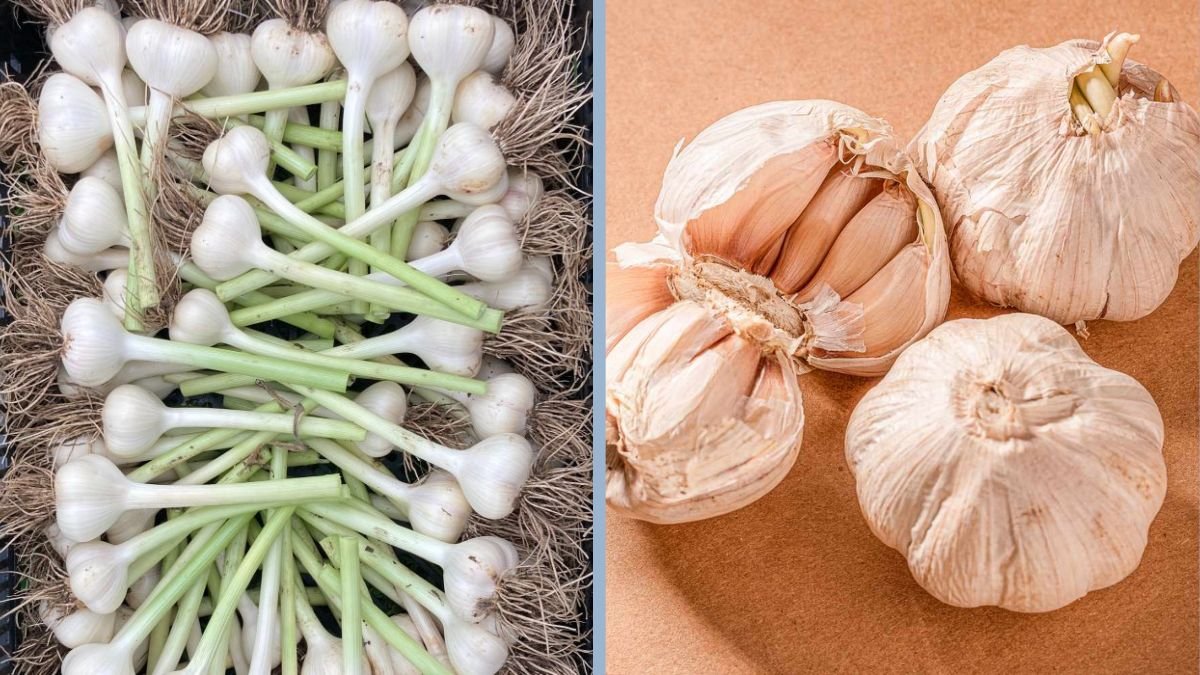
Onions and garlic are essential staples in vegetarian cooking, providing rich flavor, aroma, and health benefits to a wide range of dishes. However, both are prone to sprouting, softening, or rotting if stored improperly, leading to waste and diminished quality. Understanding the best storage practices ensures these kitchen essentials remain fresh, flavorful, and nutritious for months.
This article explores the science behind onion and garlic sprouting, optimal storage conditions, storage container choices, and additional tips to maintain quality and prevent spoilage. By following these guidelines, home gardeners, cooks, and urban growers can maximize shelf life and reduce waste.
Why Proper Storage Matters
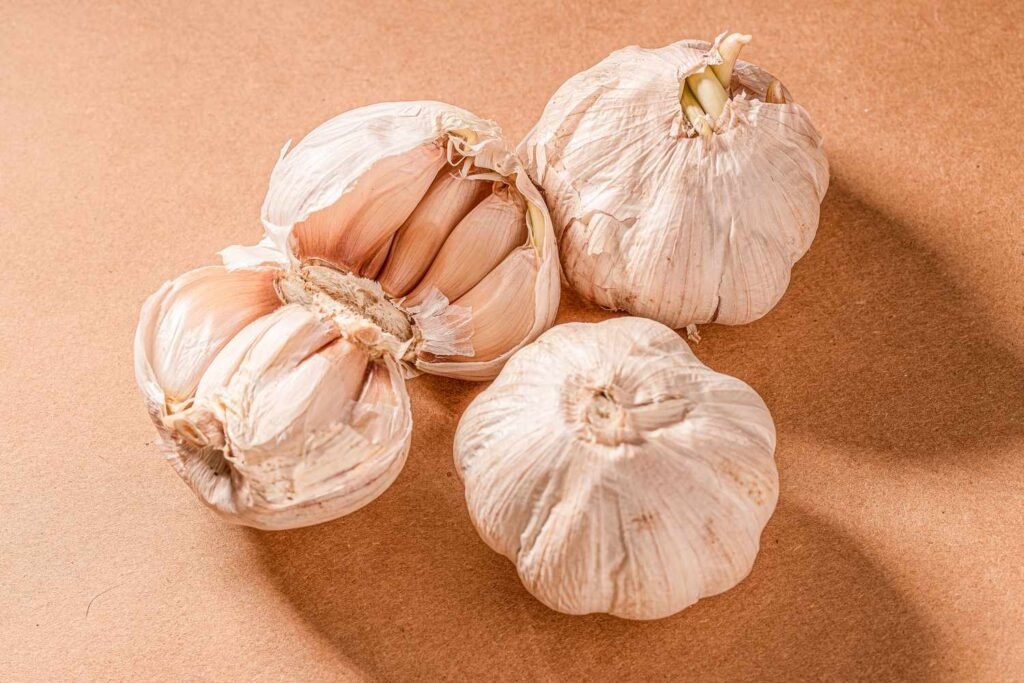
Improper storage of onions and garlic can result in:
- Sprouting: When bulbs start growing green shoots, nutrients are diverted from the bulb to the sprout, altering flavor and texture.
- Moisture loss: Leads to shriveling and reduced culinary quality.
- Rot and mold: Occurs in humid or poorly ventilated conditions.
- Flavor deterioration: Essential oils responsible for pungency and aroma decrease over time.
Proper storage minimizes these issues, maintaining taste, texture, and nutritional value for extended use.
Understanding Sprouting
Sprouting is triggered by:
- Light exposure: Onions and garlic are sensitive to light, which signals growth.
- Temperature fluctuations: Warm or fluctuating temperatures encourage sprout development.
- Humidity: Excess moisture promotes rot and stimulates sprouting.
- Age of bulbs: Freshly harvested bulbs stored under non-ideal conditions sprout more quickly.
By controlling these factors, sprouting can be delayed for several months, allowing bulbs to remain fresh and flavorful.
Ideal Storage Conditions
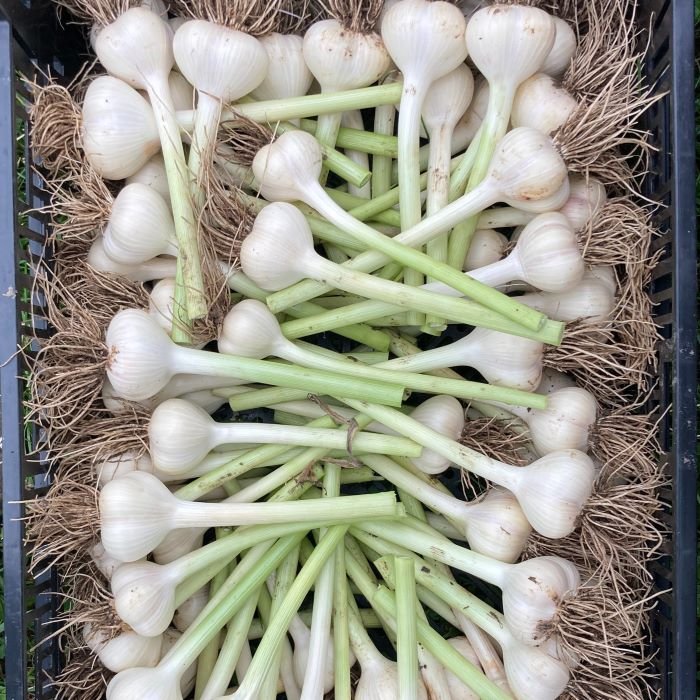
Both onions and garlic require similar storage conditions to prevent sprouting and spoilage:
- Cool Temperature:
- Optimal range: 32–40°F (0–4°C) for long-term storage.
- Avoid storing in warm or sunny areas.
- Low Humidity:
- Ideal relative humidity: 60–70%.
- Excess moisture can lead to mold growth, while extremely low humidity can cause shriveling.
- Darkness:
- Light exposure stimulates sprouting; store bulbs in a dark area or opaque container.
- Ventilation:
- Good airflow prevents moisture buildup and inhibits mold growth.
- Avoid sealed plastic bags or airtight containers for fresh bulbs, as these trap moisture.
- Separation:
- Keep onions and garlic separate from potatoes, as gases from potatoes accelerate sprouting in onions.
By maintaining these conditions, onions and garlic can remain viable for months without losing flavor.
Preparing Onions and Garlic for Storage
Proper preparation is essential to maximize shelf life:
Onions:
- Curing:
- After harvesting, onions should be cured by laying them in a warm, dry, well-ventilated space for 2–3 weeks.
- Curing dries the outer skin and neck, reducing moisture that causes rot.
- Trimming:
- Trim roots close to the bulb and leave 1–2 inches of the stem intact.
- Avoid cutting the bulb, which exposes it to pathogens.
Garlic:
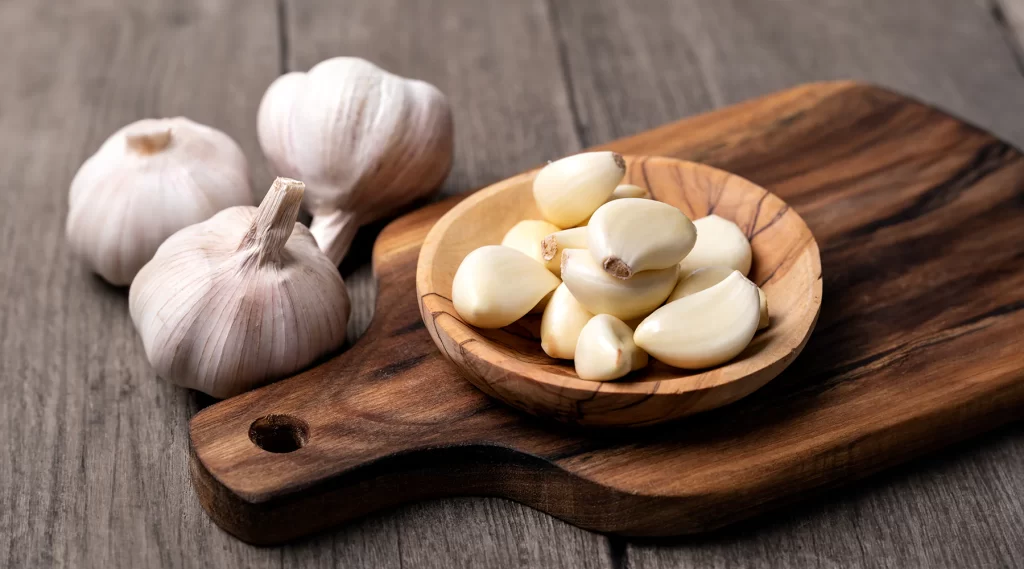
- Curing:
- Garlic should be cured for 2–3 weeks in a dry, ventilated area out of direct sunlight.
- Hang bulbs in braids or lay on racks for even air circulation.
- Trimming:
- Trim roots and remove excess outer layers of skin.
- Keep the stem intact for braiding or bundling.
Cured onions and garlic are less prone to sprouting, mold, or softening during storage.
Best Storage Methods
Several methods are effective for keeping onions and garlic fresh and sprout-free:
1. Mesh or Net Bags
- Allows air circulation to reduce moisture buildup.
- Hang bags in a cool, dark, and dry area.
- Do not store in airtight plastic bags, which trap humidity.
Best for: Long-term storage of cured bulbs.
2. Paper Bags or Cardboard Boxes
- Keep bulbs in paper bags or ventilated cardboard boxes.
- Store in a pantry, cellar, or other dark area with consistent cool temperature.
- Layer bulbs with paper towels to absorb excess moisture.
Best for: Smaller quantities of onions and garlic.
3. Hanging Braids
- Ideal for garlic and sometimes onions with long stems.
- Braiding ensures bulbs are suspended, promoting airflow and reducing sprouting.
- Store in a dry, dark, and well-ventilated space.
Best for: Garlic, green onions, and long-stemmed onions.
4. Wooden Crates or Slatted Bins
- Promotes airflow and prevents moisture accumulation.
- Keep bulbs in single layers or with spacers to maximize ventilation.
- Suitable for root cellars, pantries, or basements.
Best for: Large quantities of onions and garlic.
5. Refrigeration (Short-Term Storage)
- Ideal for peeled or cut onions and garlic.
- Place in ventilated containers or paper-wrapped storage to reduce condensation.
- Avoid storing whole, unpeeled bulbs in the refrigerator, as humidity can trigger sprouting.
Best for: Small quantities intended for immediate use (2–4 weeks).
Additional Tips to Prevent Sprouting
- Separate varieties: Mild and sweet onions tend to sprout faster than pungent varieties.
- Inspect regularly: Remove any bulbs showing signs of sprouting, softness, or mold.
- Avoid stacking: Piling bulbs reduces airflow and increases the risk of rot.
- Use ventilated containers: Mesh, baskets, and slatted bins allow oxygen flow while reducing moisture buildup.
- Store at consistent temperatures: Avoid areas near stoves, ovens, or heaters.
By implementing these strategies, onions and garlic can remain fresh and flavorful for extended periods.
Nutritional Benefits of Properly Stored Onions and Garlic
When stored correctly, onions and garlic retain their health-promoting compounds:
- Onions: Rich in vitamin C, flavonoids, and antioxidants; support immune function and cardiovascular health.
- Garlic: Contains allicin, sulfur compounds, and vitamins B6 and C; supports heart health, immunity, and has anti-inflammatory properties.
- Fiber: Both contain soluble and insoluble fiber, aiding digestion.
Proper storage preserves these nutrients, ensuring that the culinary and health benefits of onions and garlic remain intact.
Culinary Applications of Fresh Stored Bulbs
- Soups and stews: Onions and garlic form the flavor base for countless vegetarian dishes.
- Sauces and dressings: Raw or sautéed for pasta sauces, gravies, and dips.
- Roasting: Enhance roasted vegetables and casseroles with fresh, sprout-free bulbs.
- Seasoning blends: Homemade garlic powder, onion powder, or infused oils benefit from high-quality stored bulbs.
Having onions and garlic in prime condition enhances flavor and ensures consistency in vegetarian recipes.
Conclusion
Proper storage of onions and garlic is essential for preserving flavor, nutrients, and preventing sprouting or spoilage. By understanding the factors that trigger sprouting—light, temperature, humidity, and age—home cooks can implement strategies to extend shelf life.
Effective storage methods include mesh or net bags, paper bags, hanging braids, wooden crates, and refrigeration for short-term use. Preparation, including curing and trimming, is critical to prevent moisture-related issues. Additional tips, such as separating varieties, regular inspection, and maintaining consistent temperatures, further ensure that bulbs remain fresh and flavorful.
By following these guidelines, home gardeners, urban growers, and kitchen enthusiasts can maintain a reliable supply of onions and garlic, reducing waste while enhancing the taste and nutritional quality of vegetarian meals. Properly stored bulbs not only preserve culinary quality but also support a sustainable and efficient kitchen, where essential ingredients are available year-round without sprouting or spoilage.