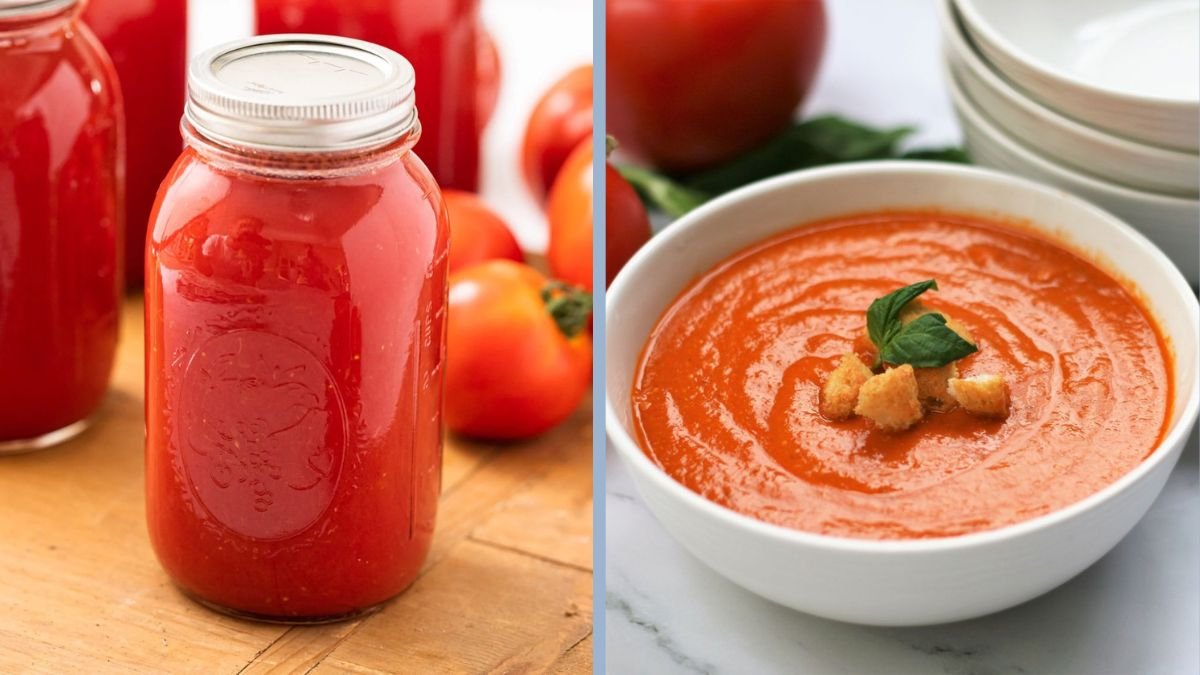
Tomatoes are a staple in vegetarian cooking, forming the base for soups, sauces, stews, and pasta dishes. However, their peak season is limited, and fresh tomatoes can spoil quickly if not preserved properly. Learning how to preserve tomatoes ensures a year-round supply, allowing you to enjoy their vibrant flavor, aroma, and nutrients even out of season.
This article explores comprehensive methods to preserve tomatoes specifically for soups and sauces, including selection, preparation, preservation techniques, storage, and tips for maintaining maximum flavor and nutritional value.
Why Preserve Tomatoes
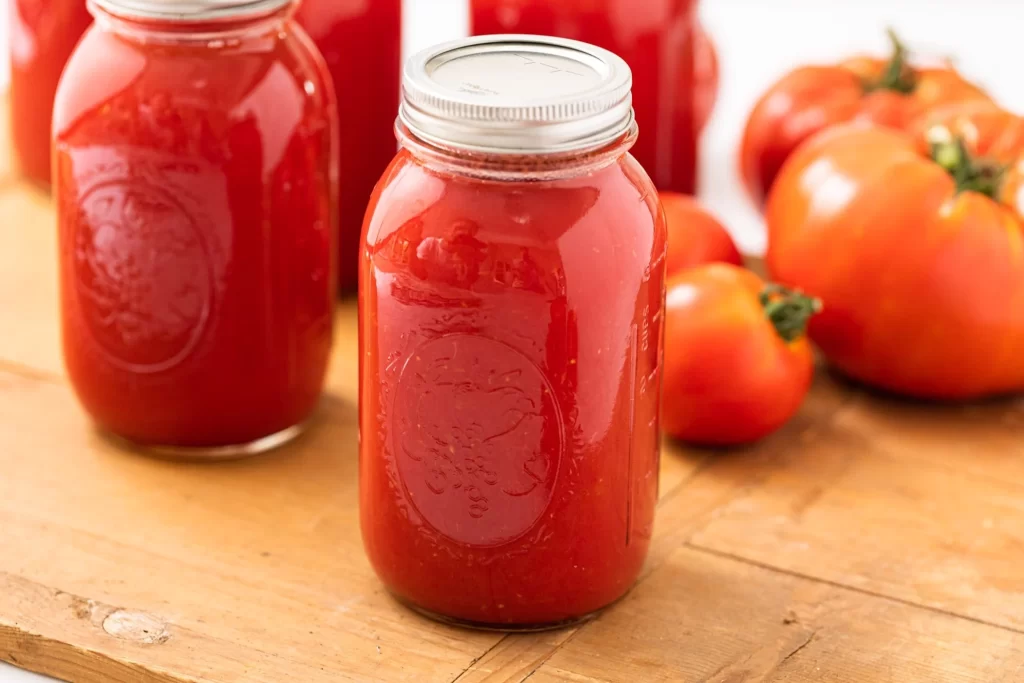
Preserving tomatoes is not just about convenience. Proper preservation:
- Extends shelf life: Fresh tomatoes can last only a few days, while preserved tomatoes can last months.
- Maintains flavor and aroma: Preserved tomatoes retain the sweet-tart balance essential for soups and sauces.
- Reduces waste: Surplus tomatoes can be saved instead of discarded.
- Preserves nutrients: Vitamins A and C, potassium, and antioxidants such as lycopene remain intact with correct preservation.
- Provides cooking flexibility: Ready-to-use tomatoes save preparation time for soups, sauces, and stews.
Preserving tomatoes allows home cooks to enjoy seasonal produce throughout the year without relying on store-bought canned products that may contain added salt or preservatives.
Selecting the Right Tomatoes
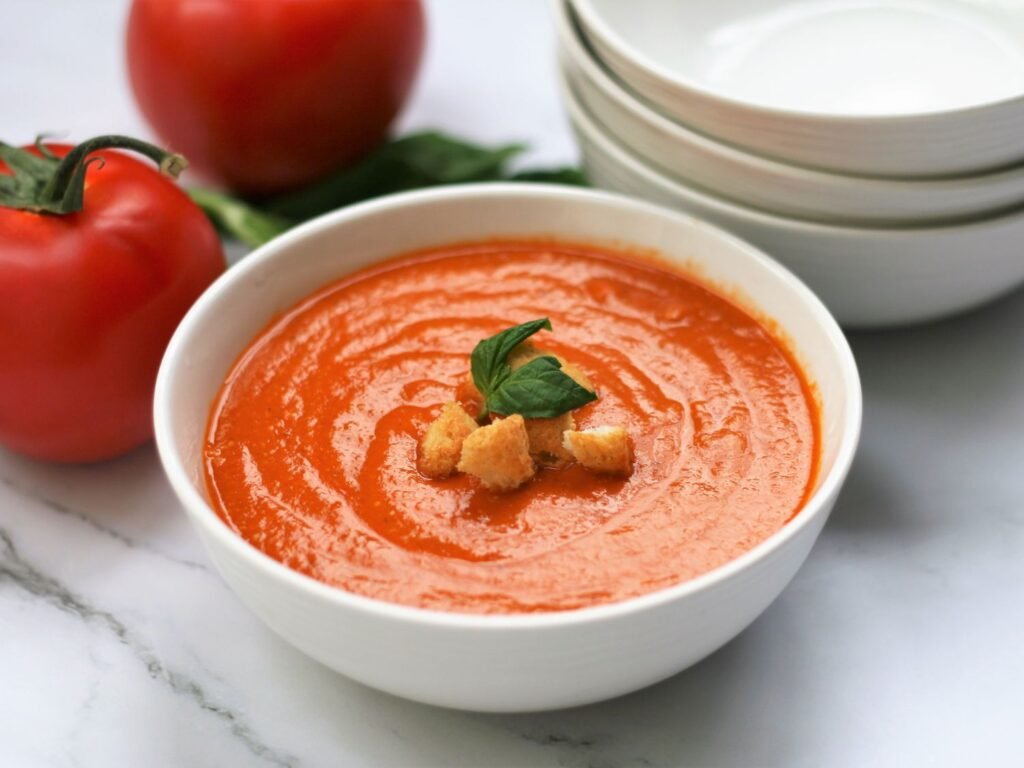
Not all tomatoes are ideal for preservation. Choose varieties with dense flesh, fewer seeds, and minimal water content for sauces and soups:
- Roma or plum tomatoes: Low water content, firm flesh, perfect for sauces.
- Beefsteak tomatoes: Large, meaty, good for cooking but may require longer cooking times.
- Heirloom varieties: Rich flavor, excellent for concentrated sauces.
Avoid overripe or bruised tomatoes, as they spoil quickly and can compromise the flavor of preserved products.
Preparing Tomatoes for Preservation
Proper preparation ensures safety, flavor, and texture:
1. Washing and Sorting
- Rinse thoroughly under running water to remove dirt and contaminants.
- Sort tomatoes, using only firm, unblemished fruits for long-term preservation.
2. Blanching and Peeling
Blanching tomatoes makes peeling easier and helps retain nutrients:
- Bring a pot of water to a boil.
- Cut a shallow “X” on the bottom of each tomato.
- Submerge tomatoes for 30–60 seconds until skins loosen.
- Transfer immediately to ice water to stop cooking.
- Peel off skins gently with your fingers or a paring knife.
Blanching also reduces microbial load, which helps prevent spoilage during storage.
3. Removing Seeds (Optional)
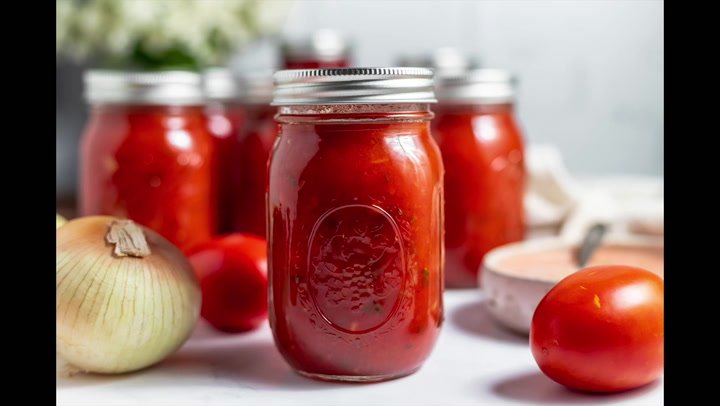
For smoother sauces:
- Cut tomatoes in half and scoop out seeds.
- Press pulp through a sieve for finer texture.
Removing seeds is optional; rustic sauces can include seeds for added texture and nutrients.
Methods for Preserving Tomatoes
Several preservation methods are suitable for tomatoes intended for soups and sauces.
1. Freezing
Freezing is one of the easiest and quickest ways to preserve tomatoes while maintaining flavor:
Steps:
- Prepare tomatoes as described above (blanched and peeled).
- Chop, crush, or leave whole depending on intended use.
- Place in airtight freezer-safe containers or silicone bags.
- Label containers with the date.
Tips:
- Leave some headspace in containers to allow for expansion.
- Freeze in portion sizes convenient for sauces and soups.
Shelf life: 6–12 months.
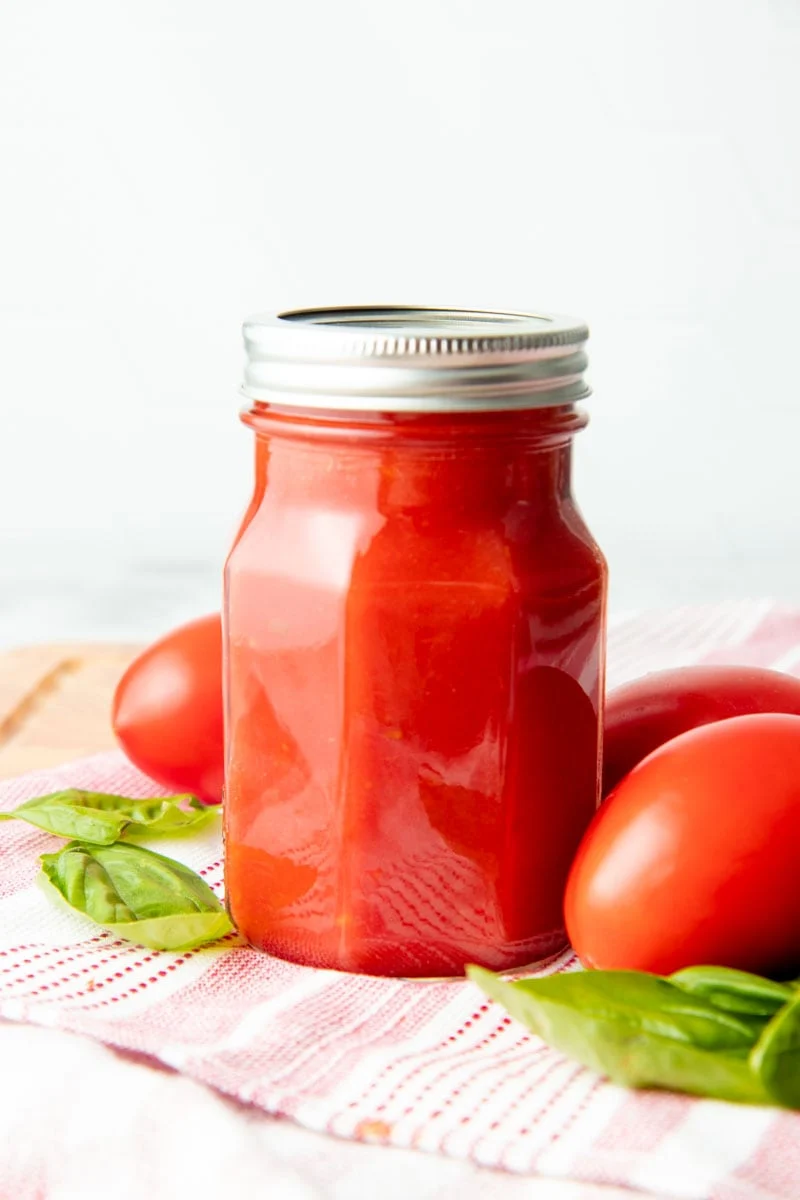
2. Canning
Canning is ideal for long-term storage and is particularly effective for sauces:
Steps:
- Prepare tomatoes (blanched, peeled, and optionally seeded).
- Crush or puree tomatoes.
- Add lemon juice or citric acid to ensure acidity and prevent spoilage.
- Fill sterilized jars, leaving ½ inch headspace.
- Remove air bubbles, wipe rims, and seal with lids.
- Process in a boiling water bath:
- 35–40 minutes for pint jars
- 40–45 minutes for quart jars
Tips:
- Use airtight, sterilized jars to prevent contamination.
- Adjust processing time based on altitude if necessary.
- Cool jars completely and check seals before storing.
Shelf life: 12–18 months when stored in a cool, dark place.
3. Sun-Dried Tomatoes
Sun drying concentrates flavor and is excellent for enhancing soups and sauces:
Steps:
- Slice tomatoes into uniform pieces (¼–½ inch thick).
- Place slices on a tray or mesh screen in direct sunlight.
- Cover with thin cloth to protect from insects.
- Turn slices occasionally for even drying.
- Dry until leathery but still pliable.
Tips:
- Store dried tomatoes in airtight jars or vacuum-sealed bags.
- Rehydrate in hot water before using in soups and sauces.
Shelf life: 6–12 months.
4. Oven-Dried Tomatoes
Oven drying is a controlled method suitable when sunlight is insufficient:
Steps:
- Preheat oven to 120–140°F (50–60°C).
- Arrange prepared tomato slices on a baking sheet lined with parchment paper.
- Dry for 6–12 hours, flipping occasionally for even drying.
- Allow tomatoes to cool before storing.
Tips:
- Use low temperature to preserve vitamins and antioxidants.
- Oven-dried tomatoes can be stored in airtight containers or jars with olive oil.
Shelf life: Up to 1 year when properly stored.
5. Tomato Paste or Sauce
Making concentrated tomato paste or sauce is an effective preservation method for soups:
Steps:
- Cook peeled and chopped tomatoes over low heat until reduced to thick consistency.
- Add optional seasonings such as salt, herbs, or spices.
- Cool and transfer to sterilized jars or freezer-safe containers.
- For long-term storage, process jars in a boiling water bath.
Tips:
- Portion sauce or paste into small containers for easy use in recipes.
- Freeze or can according to convenience and intended shelf life.
Shelf life: 6–12 months frozen; 12–18 months canned.
Best Practices for Maintaining Nutrients and Flavor
- Use ripe tomatoes: Fully ripened tomatoes have higher sugar and nutrient content.
- Blanch carefully: Avoid overcooking to preserve vitamin C and carotenoids.
- Store in cool, dark conditions: Reduces oxidation and flavor loss.
- Use airtight containers: Minimizes moisture loss and prevents contamination.
- Label and rotate: Consume older preserved tomatoes first to maintain freshness.
Following these practices ensures that your preserved tomatoes retain their nutritional and culinary value for soups and sauces.
Culinary Applications
Preserved tomatoes provide convenience and flavor:
- Soups: Pureed, chopped, or paste forms integrate seamlessly into vegetable soups.
- Sauces: Create pasta sauces, curry bases, or marinades with concentrated flavor.
- Stews and casseroles: Adds depth and richness to vegetarian dishes.
- Smooth consistency: Seed removal and puree allow for smooth textures in sauces.
- Flavor enhancement: Sun- or oven-dried tomatoes add intense sweetness and umami notes.
With preserved tomatoes, a variety of vegetarian dishes can be prepared year-round with minimal effort.
Conclusion
Preserving tomatoes for soups and sauces is an essential skill for home cooks and gardeners seeking to enjoy fresh, nutrient-rich tomatoes year-round. Methods such as freezing, canning, sun-drying, oven-drying, and making tomato paste or sauce all offer unique advantages depending on intended use and storage duration.
Key steps—including selecting ripe tomatoes, washing, peeling, optional seeding, blanching, and proper storage—ensure that tomatoes retain their flavor, texture, and nutritional value. Using airtight containers, vacuum-sealed bags, or sterilized jars further prolongs freshness and prevents spoilage.
By mastering these preservation techniques, vegetarians can maintain a consistent supply of tomatoes, reduce waste, and enhance soups, sauces, and stews with fresh, vibrant flavors. Properly preserved tomatoes not only save time in meal preparation but also support a sustainable, healthy lifestyle by making the most of seasonal produce.
With careful attention to preservation methods, storage practices, and proper handling, home cooks can enjoy delicious, nutrient-rich tomatoes for months, elevating the taste and nutrition of every vegetarian dish.