Freezing vegetables is one of the most effective ways to preserve their freshness, flavor, and nutritional value. For home gardeners, urban growers, and busy cooks, freezing ensures that seasonal vegetables are available year-round, minimizing waste while maintaining a healthy, vegetarian diet. However, improper freezing techniques can lead to nutrient loss, poor texture, and flavor deterioration.
This article explores how to freeze vegetables correctly, highlighting pre-freezing preparation, blanching methods, storage techniques, and best practices to retain the maximum nutritional benefits. By understanding the science behind freezing and following precise steps, you can enjoy vegetables that are nearly as fresh and nutrient-rich as when they were harvested.
Why Proper Freezing Matters
Freezing slows down enzymatic reactions that cause spoilage, but enzymes are not fully inactive unless the vegetables are properly prepared. Proper freezing:
- Preserves nutrients: Vitamins like C and A, minerals, and antioxidants remain intact when vegetables are frozen correctly.
- Maintains flavor: Fresh-tasting vegetables enhance the quality of meals.
- Prevents waste: Freezing surplus produce reduces food loss.
- Provides convenience: Ready-to-use vegetables simplify cooking for soups, stews, and stir-fries.
Improper freezing, however, can result in mushy texture, flavor loss, and nutrient degradation. Therefore, careful preparation is essential.
1. Selecting Vegetables for Freezing
Not all vegetables freeze equally well. Ideal candidates for freezing include:
- Leafy greens: Spinach, kale, and Swiss chard.
- Cruciferous vegetables: Broccoli, cauliflower, cabbage, and Brussels sprouts.
- Root vegetables: Carrots, beets, parsnips, and turnips.
- Peppers and tomatoes: Bell peppers and cherry tomatoes.
- Squash and zucchini: Best when slightly firm and tender.
Avoid freezing vegetables with extremely high water content like cucumbers and lettuce, as they lose texture upon thawing.
2. Pre-Freezing Preparation
Proper preparation is key to retaining nutrients and texture.
2.1 Cleaning
- Rinse vegetables under cool running water to remove dirt, insects, and debris.
- Avoid soaking leafy greens, which may reduce vitamin content.
2.2 Peeling and Cutting
- Peel vegetables that require it, such as carrots or beets.
- Cut vegetables into uniform sizes for even freezing and quicker cooking.
2.3 Blanching
Blanching involves briefly boiling or steaming vegetables before freezing to inactivate enzymes that cause spoilage and nutrient loss.
- Boiling method:
- Boil water in a large pot.
- Submerge vegetables for 2–5 minutes depending on type (e.g., broccoli 3 minutes, carrots 2 minutes).
- Steaming method:
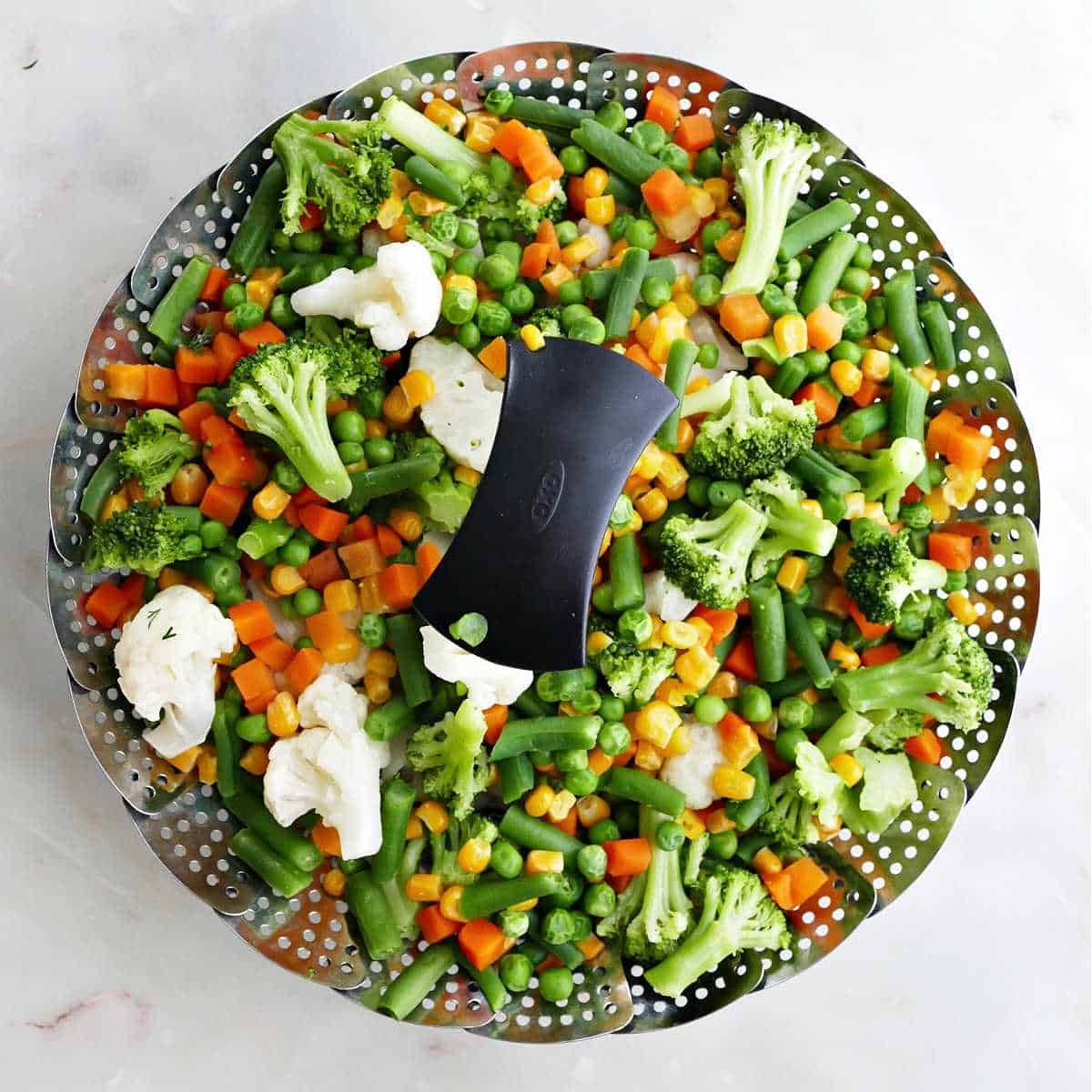
- Place vegetables in a steamer basket above boiling water.
- Steam for 2–5 minutes, similar to boiling times.
After blanching, immediately cool vegetables in ice water to stop cooking and preserve color, texture, and nutrients. Drain thoroughly before freezing.
Tip: Avoid over-blanching; prolonged heat exposure reduces vitamins and alters flavor.
3. Freezing Techniques
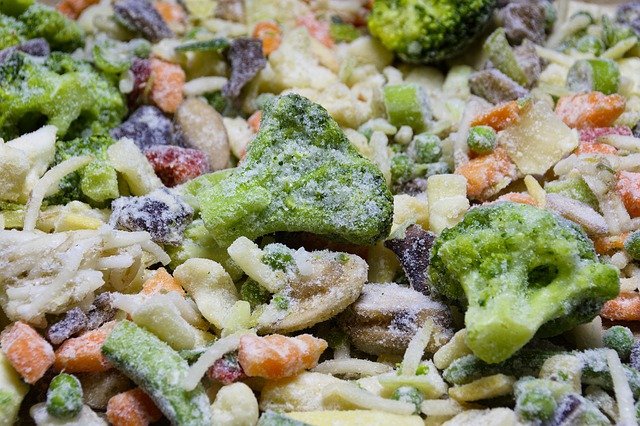
Several methods ensure vegetables freeze evenly without losing quality:
3.1 Tray Freezing
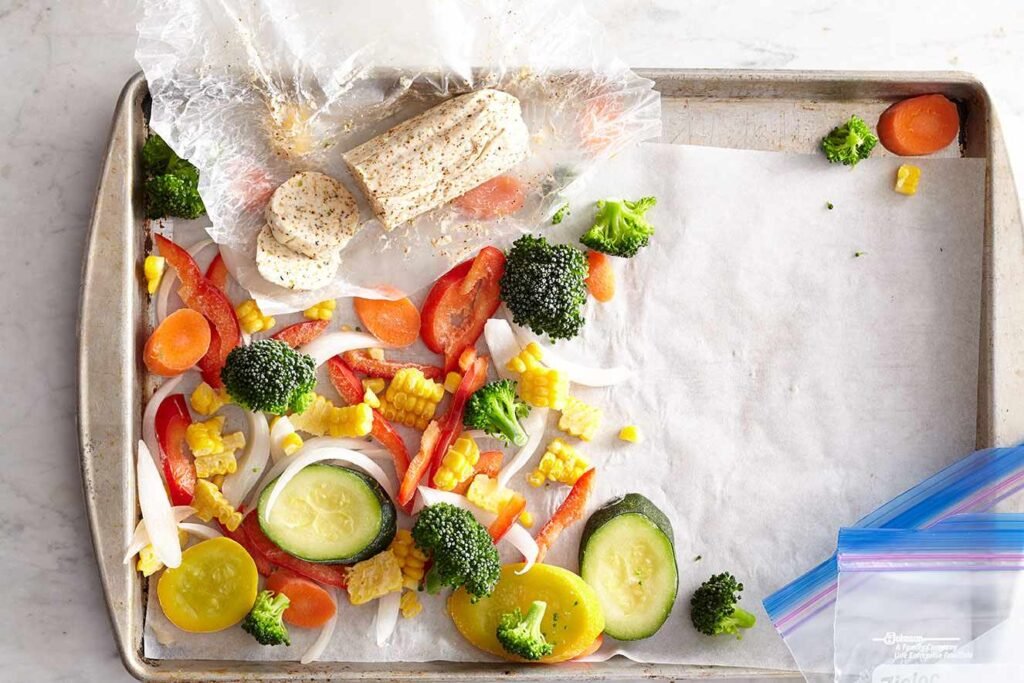
- Spread vegetables in a single layer on a baking sheet or tray.
- Place in the freezer until frozen solid.
- Transfer frozen vegetables into airtight freezer bags or containers.
3.2 Vacuum Sealing
- Use a vacuum sealer to remove air before sealing vegetables in special freezer bags.
- This method reduces oxidation, preserves nutrients, and prevents freezer burn.
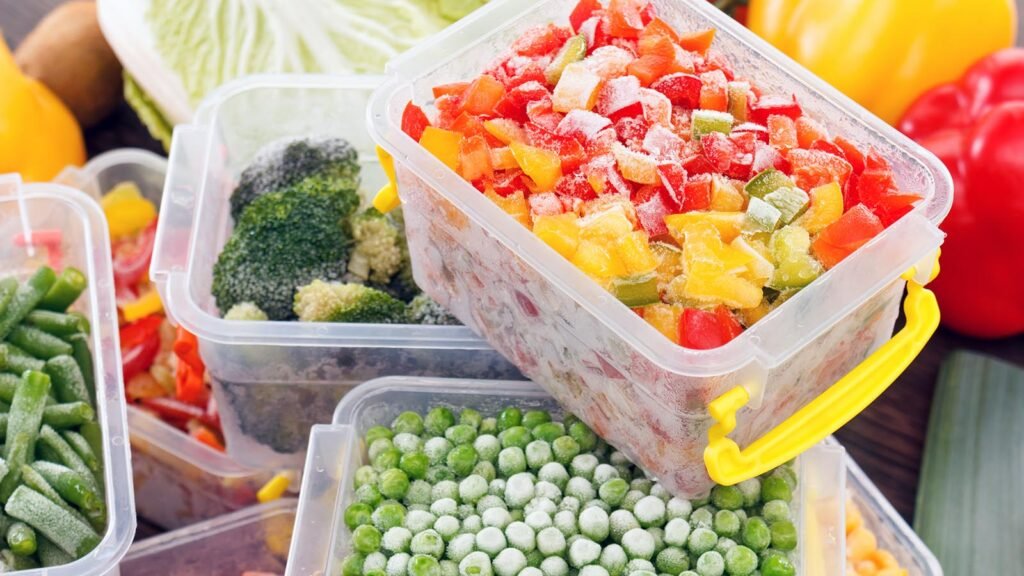
3.3 Freezer-Safe Containers
- Use BPA-free plastic containers or glass jars designed for freezing.
- Leave ½–1 inch of headspace for expansion to prevent cracking.
Tip: Label containers with the vegetable type and date of freezing for easy rotation.
4. Storage Best Practices
Proper storage is essential to maintain nutrition and flavor:
- Temperature: Keep the freezer at 0°F (-18°C) or lower.
- Duration: Most vegetables retain optimal nutrients for 8–12 months. Leafy greens are best consumed within 6–8 months.
- Avoid thawing and refreezing: Repeated freezing cycles break down cellular structure and degrade vitamins.
- Portion control: Freeze vegetables in meal-sized portions to minimize waste.
5. Special Considerations for Different Vegetables
5.1 Leafy Greens
- Spinach, kale, and Swiss chard benefit most from steaming and freezing in small, airtight bags.
- Chop leaves into manageable pieces before freezing.
5.2 Cruciferous Vegetables
- Broccoli and cauliflower should be cut into florets, blanched, and frozen on trays to prevent clumping.
- Brussels sprouts: Trim ends and halve before blanching and freezing.
5.3 Root Vegetables
- Carrots and beets: Peel, cut into uniform pieces, blanch, and freeze.
- Parsnips and turnips: Similar preparation ensures even cooking when used later.
5.4 Peppers and Tomatoes
- Bell peppers: Core and slice, then freeze raw or roast lightly for enhanced flavor.
- Tomatoes: Blanch to remove skin if desired, then freeze whole or chopped for sauces.
5.5 Squash and Zucchini
- Cut into cubes or slices.
- Optional blanching preserves color and firmness.
- Drain thoroughly to avoid ice crystals that compromise texture.
6. Tips for Retaining Maximum Nutrients
- Use fresh, high-quality vegetables: Nutrients degrade from the moment of harvest.
- Freeze promptly: Minimize time between harvesting and freezing.
- Blanch correctly: Time and method matter for preserving vitamins and antioxidants.
- Avoid overcrowding: Proper air circulation ensures quick freezing, which preserves flavor.
- Maintain freezer temperature: Fluctuations can damage cell structure and nutrient content.
7. Benefits of Properly Frozen Vegetables
Freezing vegetables correctly offers multiple advantages:
- Convenience: Ready-to-use vegetables simplify meal preparation.
- Nutrition: Vitamins and minerals are preserved close to fresh levels.
- Flavor: Vegetables retain natural taste and aroma.
- Cost-effective: Reduces food waste and allows bulk purchasing or harvesting.
- Seasonal variety: Enjoy vegetables out of season without compromising quality.
Proper freezing practices make it possible to maintain a healthy, plant-based diet year-round without relying solely on fresh market produce.
8. Culinary Uses for Frozen Vegetables
Frozen vegetables can be used in many vegetarian dishes without compromising flavor:
- Soups and stews: Add directly from the freezer.
- Stir-fries: Quick sauté with minimal defrosting.
- Smoothies: Leafy greens like spinach or kale blend easily frozen.
- Sauces and purees: Tomatoes and peppers maintain flavor when cooked from frozen.
- Roasted vegetables: Toss frozen cubes with olive oil and spices for convenient meals.
Using frozen vegetables strategically reduces preparation time while preserving nutrients and taste.
9. Common Mistakes to Avoid
- Skipping blanching: Leads to enzyme activity and nutrient loss.
- Freezing in large clumps: Causes uneven freezing and ice crystal formation.
- Using low-quality containers: Air leaks cause freezer burn and degradation.
- Delaying freezing: Nutrient loss occurs if vegetables sit at room temperature too long.
- Refreezing thawed vegetables: Damages cellular structure and reduces flavor.
Awareness of these mistakes helps gardeners and cooks maintain high-quality, nutritious produce.
10. Conclusion
Freezing vegetables is an essential technique for maintaining a year-round supply of fresh, nutrient-rich produce. By following proper preparation, blanching, and storage practices, you can preserve flavor, color, texture, and vitamins.
The five key strategies—selecting appropriate vegetables, washing and cutting, blanching, using suitable freezing techniques, and proper storage—ensure that your frozen vegetables retain the qualities of freshly harvested produce. Careful attention to timing, temperature, and portioning further enhances convenience, nutrition, and taste.
For anyone interested in home gardening, sustainable cooking, or a vegetarian diet, mastering the art of freezing vegetables is an invaluable skill. Properly frozen vegetables provide a reliable, healthy, and versatile ingredient base for soups, salads, sauces, and smoothies, reducing waste while supporting a balanced, plant-based lifestyle.
By applying these methods, your kitchen can remain stocked with fresh-tasting vegetables throughout the year—nutrient-rich, flavorful, and ready to enhance any vegetarian meal.