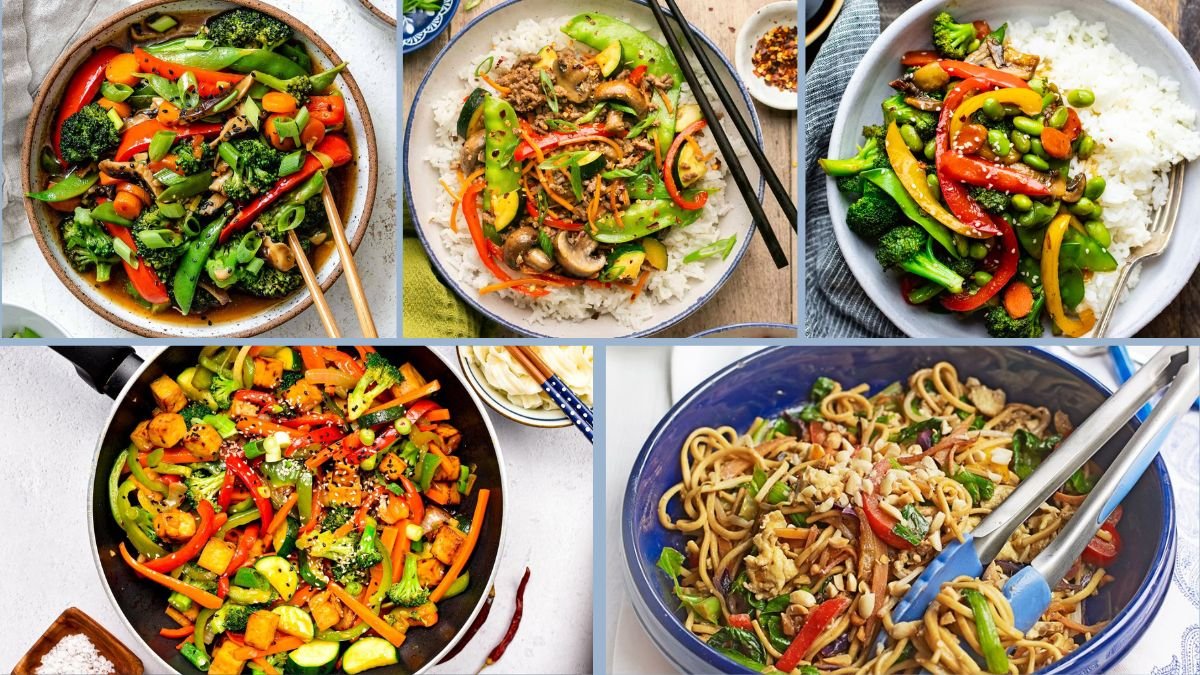
Veggie stir-fry is a cornerstone of healthy, vibrant cuisine that combines fresh vegetables, bold flavors, and quick cooking techniques to deliver a nutritious and satisfying meal. While it may seem simple, creating a stir-fry that bursts with flavor requires attention to ingredient selection, cooking technique, and seasoning balance. When done right, it can be a dynamic, colorful, and fully plant-based dish that appeals to all palates.
Here are eight essential tricks to elevate your veggie stir-fry to professional levels.
Trick 1: Choose a Variety of Fresh Vegetables
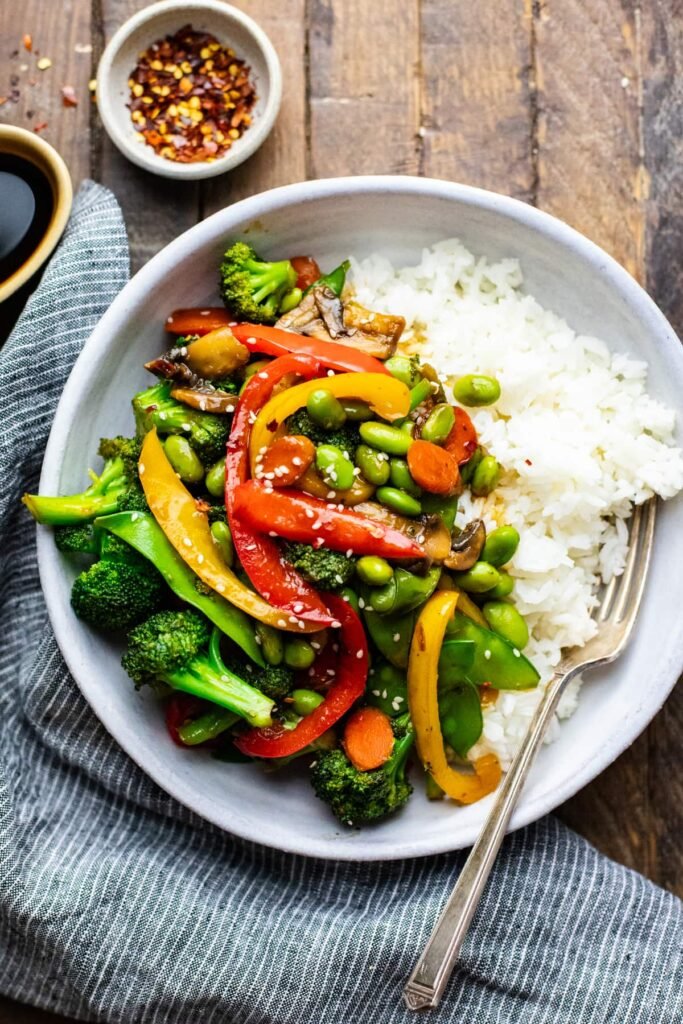
The foundation of a flavorful stir-fry lies in the vegetables themselves.
- Diversity: Use a mix of colors, textures, and flavors. Bell peppers, broccoli, snap peas, carrots, zucchini, mushrooms, and leafy greens provide visual appeal and flavor contrast.
- Uniform Sizing: Cut vegetables into even pieces to ensure consistent cooking.
- Seasonality: Use seasonal produce to maximize flavor and freshness.
Pro Tip: Firm vegetables like carrots and broccoli should be sliced thinly or blanched briefly to match the cooking time of softer vegetables like mushrooms or zucchini.
Science Insight: Stir-frying relies on high heat and rapid cooking. Uniform size ensures even heat distribution and prevents overcooking delicate vegetables.
Trick 2: Prep Ingredients Before Cooking
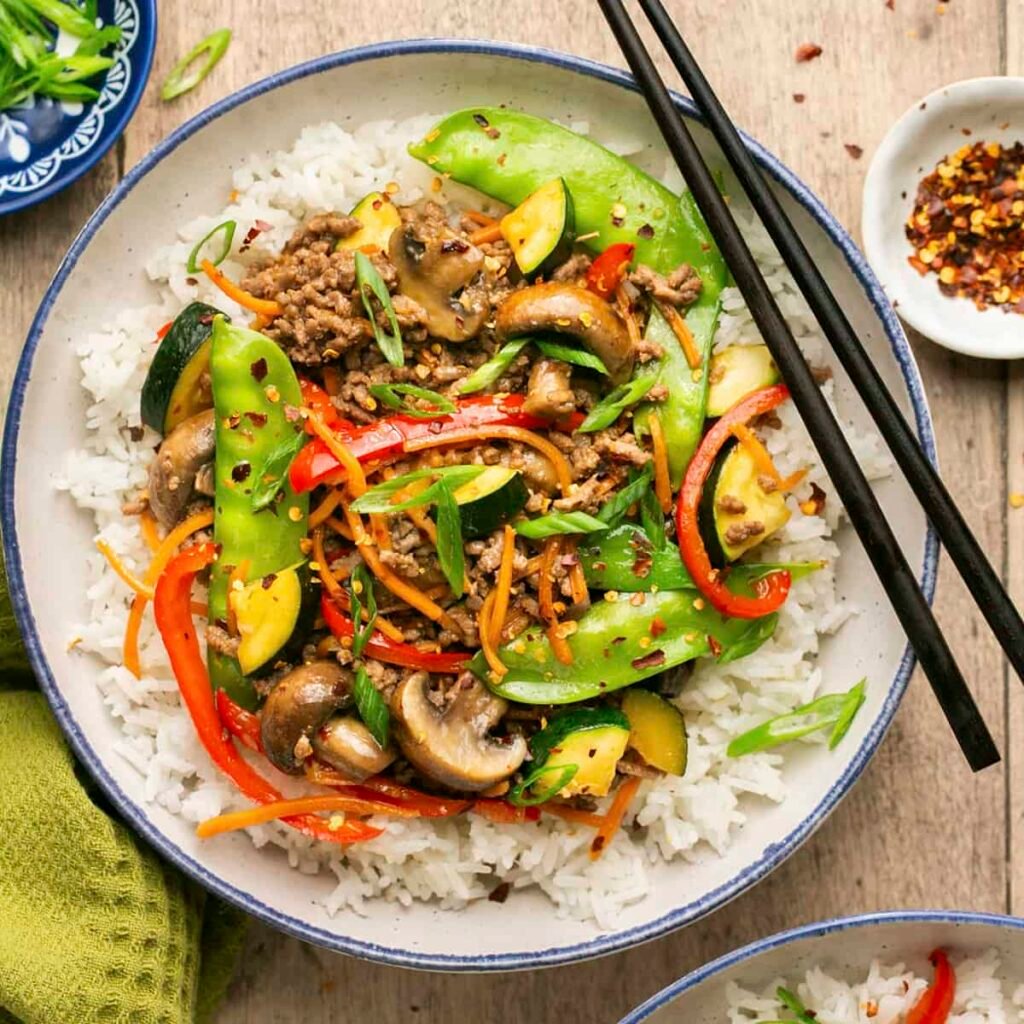
Stir-fry is a fast process, so preparation is key.
- Mise en Place: Chop all vegetables, prepare sauces, and measure spices before heating the pan.
- Sauce Readiness: Combine soy sauce, sesame oil, rice vinegar, and optional sweeteners like maple syrup for a ready-to-pour flavor boost.
- Aromatics: Mince garlic, ginger, and chili in advance for a fragrant base.
Pro Tip: Have all ingredients within reach; stir-frying is a high-speed process, and delays can lead to overcooked vegetables.
Culinary Insight: Rapid cooking preserves nutrients and crunch, making prep crucial to maintaining texture and flavor integrity.
Trick 3: Use the Right Cooking Oil
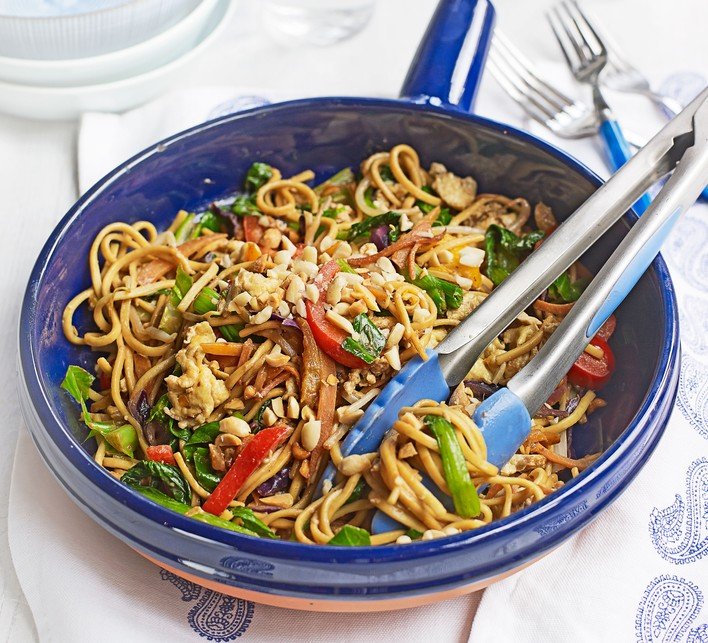
The choice of oil affects flavor and performance at high heat.
- High Smoke Point Oils: Avocado oil, grapeseed oil, or refined sunflower oil are ideal.
- Flavor Oils: Finish with toasted sesame oil for aroma and depth, added after cooking.
Pro Tip: Avoid delicate oils like extra-virgin olive oil for initial stir-frying, as they can burn and impart bitterness.
Science Insight: High-heat oils allow rapid searing, which enhances the Maillard reaction, creating savory, complex flavors.
Trick 4: Cook in Batches to Avoid Steaming
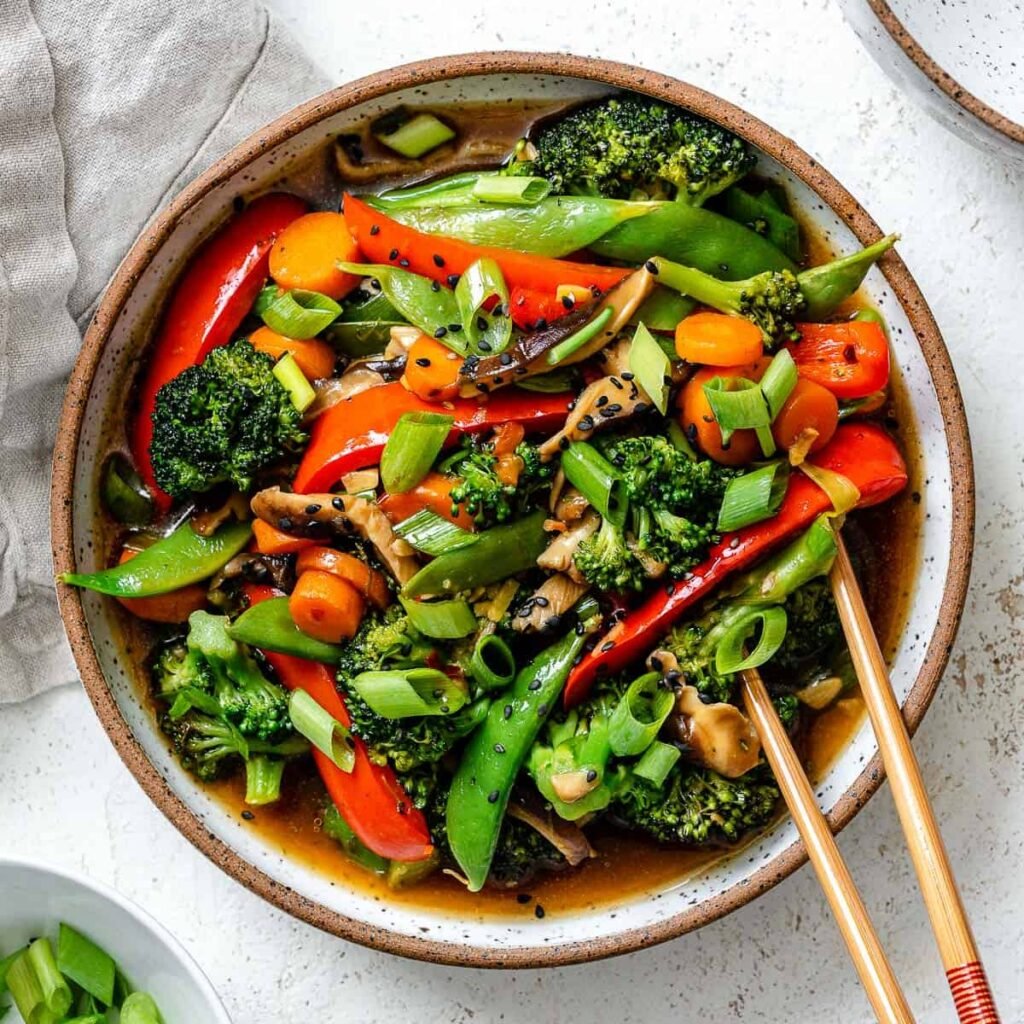
Overcrowding the pan traps moisture and results in soggy vegetables.
- Batch Cooking: Stir-fry vegetables in small batches to maintain high heat.
- Sequence: Cook dense vegetables first (e.g., carrots, broccoli) and delicate ones later (e.g., spinach, mushrooms).
- Combine at the End: Mix all vegetables together briefly before adding sauce.
Pro Tip: Use a wok or a large skillet to allow space for tossing and even cooking.
Science Insight: Stir-frying relies on evaporation of surface water. Crowding lowers pan temperature, creating steam instead of sear, which reduces flavor and texture quality.
Trick 5: Layer Flavors Strategically
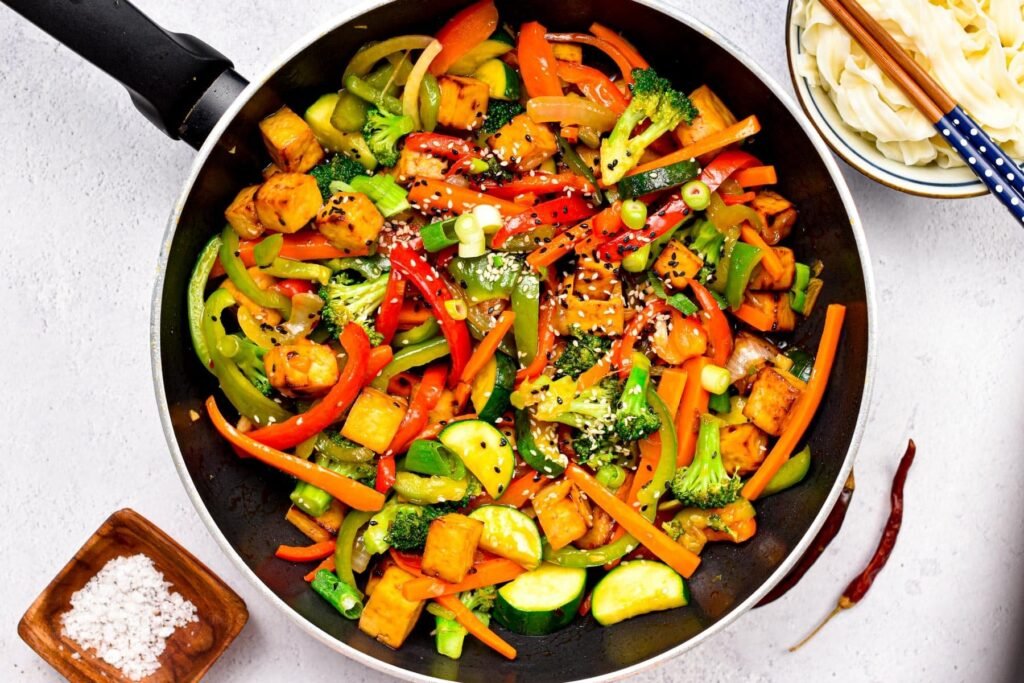
Flavor depth comes from seasoning at multiple stages.
- Aromatics: Start with garlic, ginger, and chili to infuse oil.
- Vegetables: Season lightly with salt and pepper while cooking.
- Sauce: Pour over the cooked vegetables at the end, tossing to coat evenly.
- Finishing: Add a splash of acid (rice vinegar or lime juice) to brighten flavors and enhance natural sweetness.
Pro Tip: Taste as you go and adjust seasoning gradually to avoid overpowering delicate vegetables.
Culinary Insight: Layering flavors through aromatics, seasoning, and sauce creates complexity, making each bite balanced and satisfying.
Trick 6: Incorporate Texture Contrast
A great stir-fry is not just about flavor—it’s about contrasting textures.
- Crunchy: Bell peppers, snap peas, water chestnuts, or nuts provide crispness.
- Tender: Mushrooms, zucchini, or eggplant absorb sauce and add softness.
- Chewy: Whole grains or tofu cubes add substance and variety.
Pro Tip: Toast nuts or sesame seeds separately and add at the end to preserve crunch.
Texture Science: Contrasting textures make the dish more engaging and highlight the freshness of each ingredient.
Trick 7: Use Quick, High Heat Cooking
Stir-frying is defined by speed and temperature.
- Preheat Pan: Heat the wok or skillet until very hot before adding oil.
- Quick Tossing: Continuously stir and toss vegetables to cook evenly without burning.
- Timing: Most vegetables require 2–5 minutes; delicate greens only 1–2 minutes.
Pro Tip: Keep a lid nearby to trap steam briefly for denser vegetables if needed, but remove quickly to maintain crispness.
Science Insight: High heat sears the exterior, enhancing flavor through the Maillard reaction while preserving internal moisture and crunch.
Trick 8: Finish with Garnishes and Fresh Elements
Final touches elevate a stir-fry from ordinary to extraordinary.
- Herbs: Fresh cilantro, Thai basil, or green onions add vibrancy.
- Acid: Lime juice or rice vinegar enhances brightness.
- Crunch: Toasted sesame seeds or cashews add visual appeal and texture.
- Optional Heat: Fresh sliced chili or chili oil for a kick.
Pro Tip: Add garnishes at the last moment to preserve color, texture, and aroma.
Serving Insight: Fresh, bright elements balance the cooked vegetables’ richness, creating a well-rounded dish.
Bonus Tips for Flavor-Packed Stir-Fry
- Sauce Variations: Try hoisin, tamari, or miso-based sauces for different flavor profiles.
- Protein Options: Tofu, tempeh, or edamame add substance and plant-based protein.
- Meal Prep: Pre-chop vegetables and store in airtight containers for quick weeknight cooking.
- Caramelization: Add a touch of maple syrup or sugar to encourage browning and umami depth.
- Balance Heat and Sweet: A combination of chili, garlic, soy, and sweeteners creates the signature savory-sweet profile.
Conclusion
A perfectly executed veggie stir-fry combines freshness, texture, and layered flavors into a vibrant, satisfying dish. By following these eight tricks—selecting fresh vegetables, prepping in advance, using the right oil, cooking in batches, layering flavors, incorporating texture contrast, using high heat, and finishing with fresh garnishes—you can create a stir-fry that is visually stunning, nutritious, and packed with flavor.
This vegetarian dish proves that plant-based meals can be dynamic and exciting. From crisp vegetables to umami-packed sauces and aromatic garnishes, every bite is a celebration of natural flavors. Stir-fry is not only quick and versatile but also adaptable to seasonal produce, making it perfect for everyday meals, lunch bowls, or festive dinners.
By mastering these techniques, you elevate a simple vegetable dish into a professional-quality, restaurant-style stir-fry that delights the senses while remaining healthy, wholesome, and completely vegetarian.