
Thai coconut soup, or Tom Kha, is a fragrant, creamy, and slightly tangy dish that has captured the hearts of food lovers worldwide. Known for its perfect balance of sweet, sour, spicy, and savory flavors, it combines the richness of coconut milk with the brightness of herbs, spices, and vegetables. While traditional recipes sometimes include chicken or seafood, a plant-based version can be just as flavorful, aromatic, and satisfying.
Achieving a truly flavor-packed Thai coconut soup requires attention to ingredients, preparation, and cooking techniques. Here are seven essential hacks to elevate your vegan Thai coconut soup.
Hack 1: Use Fresh Herbs and Aromatics
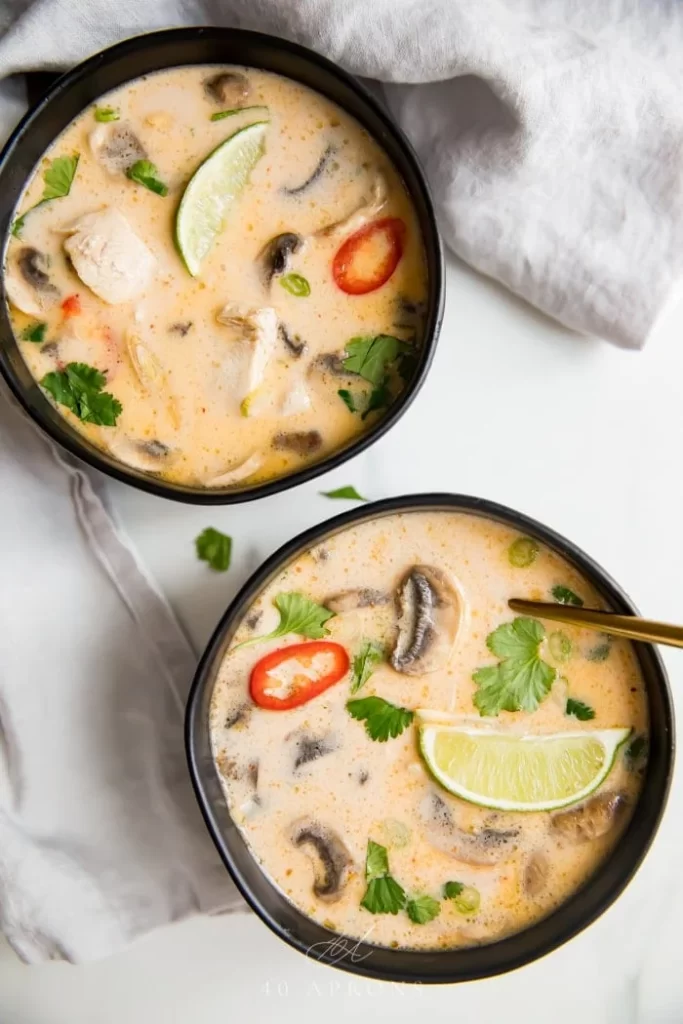
The distinct aroma of Thai coconut soup comes from fresh herbs and aromatics.
- Lemongrass: Adds citrusy brightness; bruise the stalks before simmering to release oils.
- Galangal: Provides a peppery, ginger-like flavor essential for authenticity.
- Kaffir Lime Leaves: Impart a fresh, zesty aroma.
- Aromatics: Garlic, shallots, and ginger enhance depth.
Pro Tip: Tear or lightly crush herbs before adding them to the soup to maximize flavor release. Remove large pieces before serving for a smooth, pleasant eating experience.
Science Insight: Crushing and bruising herbs releases essential oils and volatile compounds, which dissolve in the soup’s fat (coconut milk), enhancing aroma and taste.
Hack 2: Choose the Right Coconut Milk
Coconut milk is the soup’s backbone, providing creaminess and richness.
- Full-Fat Coconut Milk: Delivers silky texture and luxurious mouthfeel.
- Light Coconut Milk: Can be used for lower-fat versions but may result in a thinner soup.
- Coconut Cream: A small amount added at the end can further enhance richness.
Pro Tip: Shake canned coconut milk well before use to combine separated cream and liquid for consistent texture.
Science Note: Fat in coconut milk carries flavors from herbs, spices, and aromatics, amplifying overall taste perception.
Hack 3: Layer Spices and Heat

The balance of spice is critical for Thai coconut soup.
- Chilies: Fresh Thai bird’s eye chilies or dried red chili flakes provide heat. Adjust quantity according to preference.
- Ginger and Galangal: Add warmth and subtle spice.
- White or Black Pepper: Enhances spiciness without altering flavor profile.
Pro Tip: Add part of the spice during cooking and adjust toward the end for layered heat and balanced spiciness.
Science Insight: Heat compounds like capsaicin in chilies dissolve in fat from coconut milk, distributing spiciness evenly and enhancing overall flavor.
Hack 4: Incorporate Umami and Depth
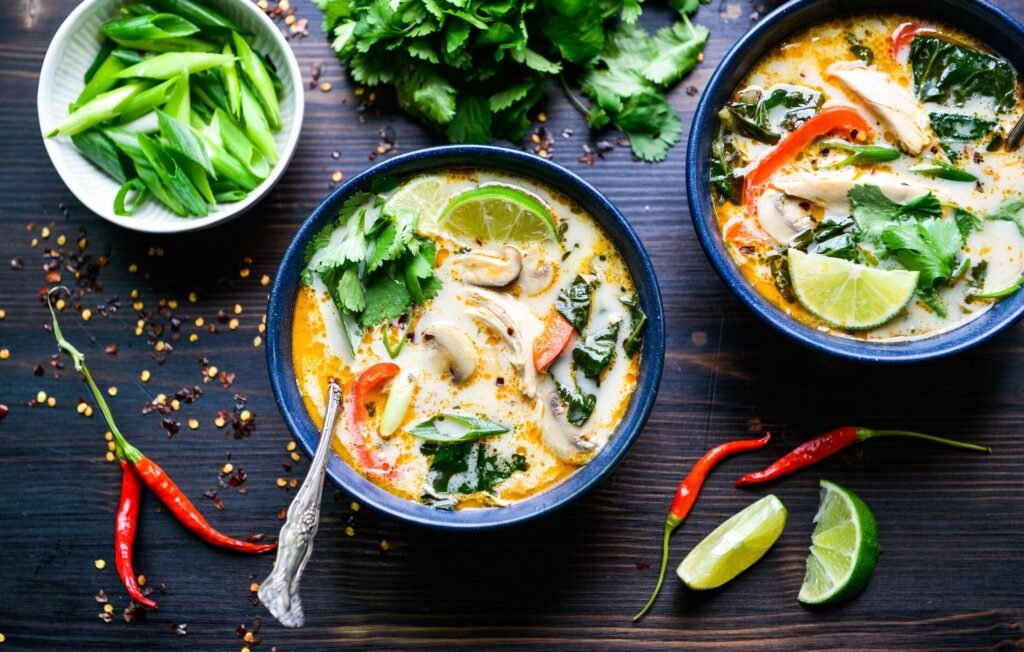
Even without animal products, you can achieve rich umami flavors.
- Mushrooms: Shiitake or cremini mushrooms add earthiness and natural umami.
- Soy Sauce or Tamari: Enhances savoriness.
- Miso Paste: Adds depth and slightly sweet undertones.
Pro Tip: Sauté mushrooms briefly before adding them to the soup for an extra layer of flavor.
Science Note: Umami compounds such as glutamates in mushrooms and miso bind to taste receptors, giving the soup a satisfying depth often associated with non-vegetarian broths.
Hack 5: Balance Sweetness and Acidity
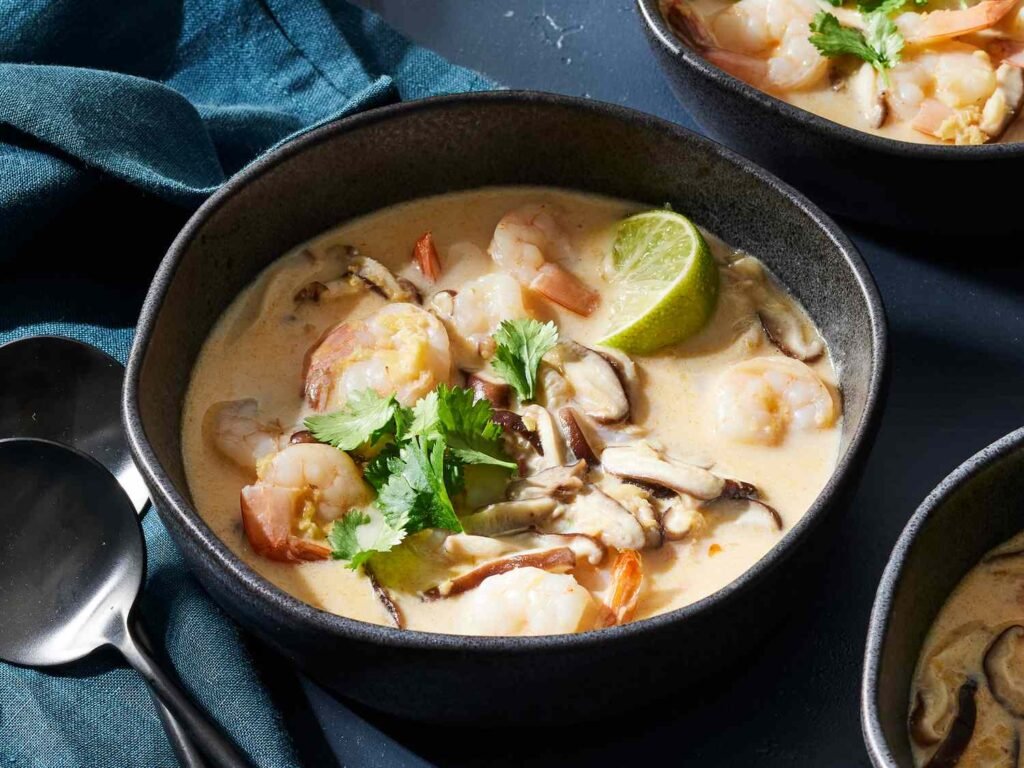
A hallmark of Thai coconut soup is the harmony of flavors.
- Sweetness: Palm sugar or maple syrup balances heat and acidity.
- Acidity: Lime juice or tamarind paste adds brightness and enhances aromatic notes.
- Tasting and Adjusting: Continuously taste during cooking to maintain balance.
Pro Tip: Add acid at the end to preserve freshness and prevent bitterness from overcooking.
Science Insight: The interplay of sweetness, acidity, and heat activates multiple taste receptors, creating a complex, satisfying flavor profile.
Hack 6: Add Vegetables and Plant-Based Proteins Thoughtfully
Vegetables and proteins provide body, texture, and nutrition.
- Vegetables: Bell peppers, zucchini, carrots, and snap peas contribute color, sweetness, and crunch.
- Proteins: Tofu, tempeh, or seitan absorbs soup flavors and adds heartiness.
- Timing: Add quick-cooking vegetables toward the end to retain crunch; dense vegetables earlier for proper cooking.
Pro Tip: Press and marinate tofu briefly in soy sauce, lime, and chili for maximum flavor absorption.
Food Science Insight: Vegetables release soluble fibers and natural sugars into the broth, thickening the soup slightly and enhancing sweetness naturally.
Hack 7: Finish with Fresh Herbs and Garnishes
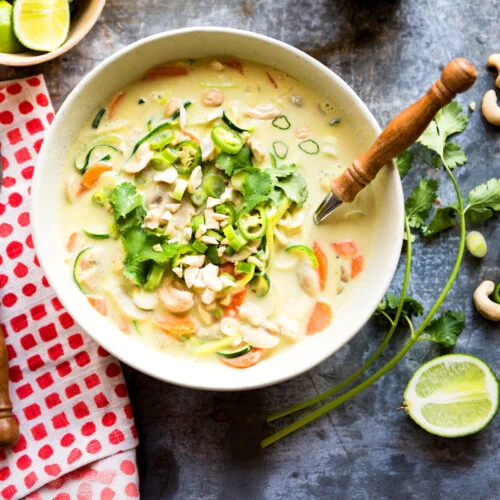
Finishing touches bring Thai coconut soup to life.
- Herbs: Fresh cilantro, Thai basil, or green onions add freshness and aroma.
- Texture: Crushed peanuts or toasted sesame seeds provide crunch.
- Optional Heat: A final drizzle of chili oil intensifies flavor and adds visual appeal.
- Serving Suggestion: Pair with jasmine rice or rice noodles for a complete meal.
Pro Tip: Add herbs and delicate toppings just before serving to maintain color, aroma, and texture.
Cultural Note: In Thailand, Tom Kha is enjoyed as both a starter and main dish, valued for its balance, warmth, and nutritional benefits. Plant-based adaptations retain this tradition while catering to modern dietary preferences.
Conclusion
A flavorful Thai coconut soup is not only comforting but also a culinary showcase of balance, aroma, and texture. By following these seven hacks—using fresh herbs and aromatics, choosing the right coconut milk, layering spices and heat, incorporating umami, balancing sweetness and acidity, adding vegetables and plant-based proteins thoughtfully, and finishing with fresh herbs and garnishes—you can create a soup that is rich, aromatic, and wholly plant-based.
Plant-based versions highlight the versatility of tofu, mushrooms, and coconut milk, proving that depth and richness do not require animal products. Proper cooking techniques like sautéing, simmering gently, and layering spices ensure the soup is aromatic and balanced, with each spoonful delivering a complex flavor profile.
Whether served for a cozy dinner, a festive meal, or a nourishing lunch, Thai coconut soup is a testament to the power of plant-based ingredients in creating comfort food that delights the senses. By mastering these strategies, cooks can craft a vegan Tom Kha that is creamy, spicy, tangy, and authentically satisfying.