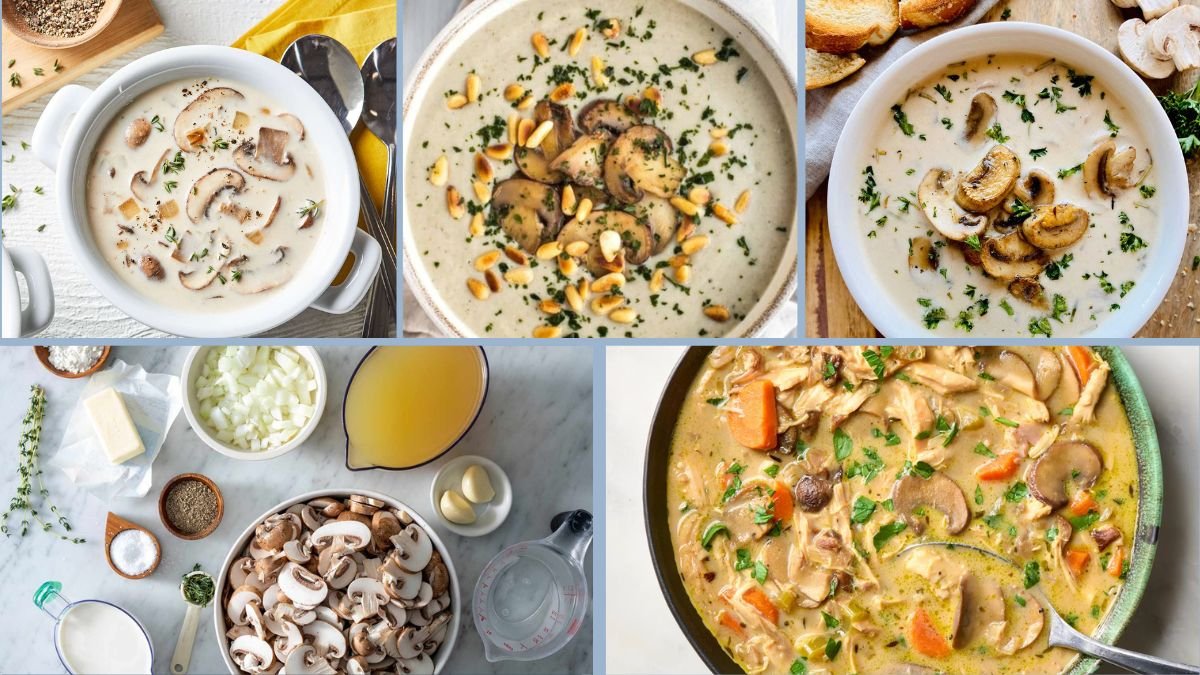
Mushroom soup is a classic comfort food, celebrated for its earthy aroma, creamy texture, and versatility. While traditional recipes often call for cream or butter, plant-based alternatives can achieve the same luxurious consistency without animal products. When prepared with care, mushroom soup becomes more than just a starter—it’s a rich, velvety dish suitable for weeknight dinners, special occasions, or a nourishing lunch.
Achieving a perfect mushroom soup requires attention to flavor layering, cooking techniques, and ingredient quality. Below are six secrets to crafting a rich and creamy mushroom soup that is fully vegetarian, flavorful, and satisfying.
Secret 1: Choose the Right Mushrooms
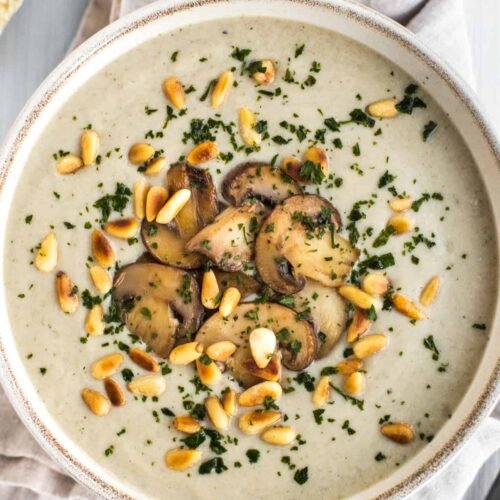
The foundation of mushroom soup is the mushrooms themselves. Selecting the right variety ensures depth of flavor and a hearty texture.
- Cremini (Baby Bella) or White Button Mushrooms: Widely available, mild in flavor, and versatile.
- Portobello Mushrooms: Provide robust, meaty flavor and a hearty texture.
- Shiitake or Oyster Mushrooms: Add umami richness and complexity.
- Mix Varieties: Combining mushrooms creates layered flavor and aroma.
Pro Tip: Clean mushrooms gently with a damp cloth or soft brush. Avoid soaking, as mushrooms absorb water, which can dilute flavor.
Science Insight: Mushrooms are rich in glutamates, which naturally enhance umami and depth. The type and preparation of mushrooms determine the intensity of their earthy flavor.
Secret 2: Sauté to Develop Flavor
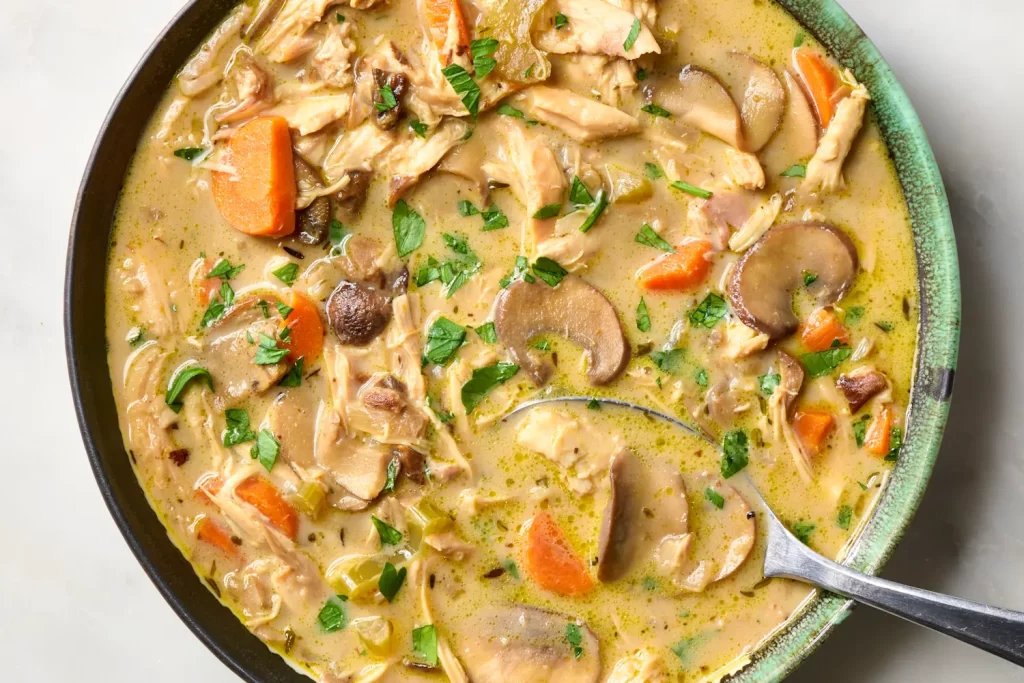
Sautéing mushrooms properly is crucial for a rich and flavorful soup.
- Fat Choice: Use olive oil, coconut oil, or vegan butter to help release flavors and create a silky texture.
- Technique: Cook mushrooms in batches to avoid overcrowding. Overcrowding leads to steaming rather than browning, which reduces flavor development.
- Aromatics: Sauté onions, garlic, and leeks alongside mushrooms to add sweetness and depth.
Science Note: Sautéing triggers the Maillard reaction, producing complex savory notes. The caramelization of mushroom sugars enhances the natural umami, creating a more profound flavor profile.
Secret 3: Build a Flavorful Broth
A rich mushroom soup depends on a well-developed broth.
- Vegetable Broth: Provides a savory base without overpowering mushrooms. Homemade broth with onion, celery, carrot, and herbs yields maximum flavor.
- Mushroom Broth: Simmer mushroom stems and scraps in water for an intensely earthy liquid.
- Herbs and Spices: Thyme, bay leaves, black pepper, and a dash of nutmeg complement mushroom flavors.
Pro Tip: Deglaze the pan with a splash of white wine or sherry after sautéing mushrooms. This adds acidity and enhances the overall flavor complexity.
Food Science Insight: Slow simmering extracts water-soluble compounds like amino acids and sugars from mushrooms and vegetables, intensifying umami and sweetness naturally.
Secret 4: Achieve Creaminess Without Dairy
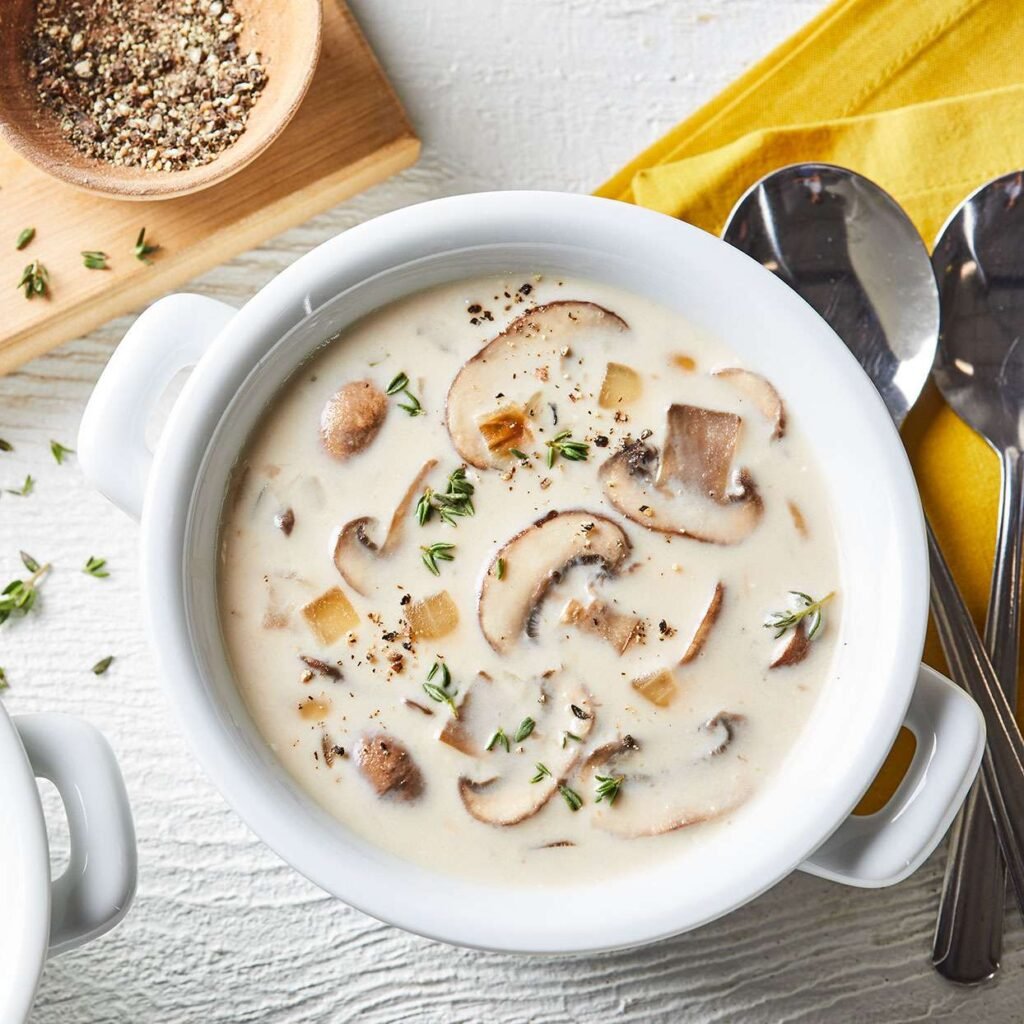
Creaminess can be achieved entirely with plant-based ingredients.
- Coconut Milk: Adds a silky texture and subtle sweetness.
- Cashew Cream: Soak cashews and blend with water for a neutral, rich alternative.
- Oat or Soy Cream: Light, neutral, and perfect for balancing mushroom intensity.
- Blending Techniques: Use an immersion blender or countertop blender to achieve a smooth, velvety texture.
Pro Tip: Blend half the soup for body while leaving some mushroom pieces whole to maintain texture contrast.
Science Insight: Plant-based fats coat the palate, mimicking dairy cream. The combination of fat and emulsified starches from mushrooms and vegetables produces natural richness.
Secret 5: Layer Flavors Strategically
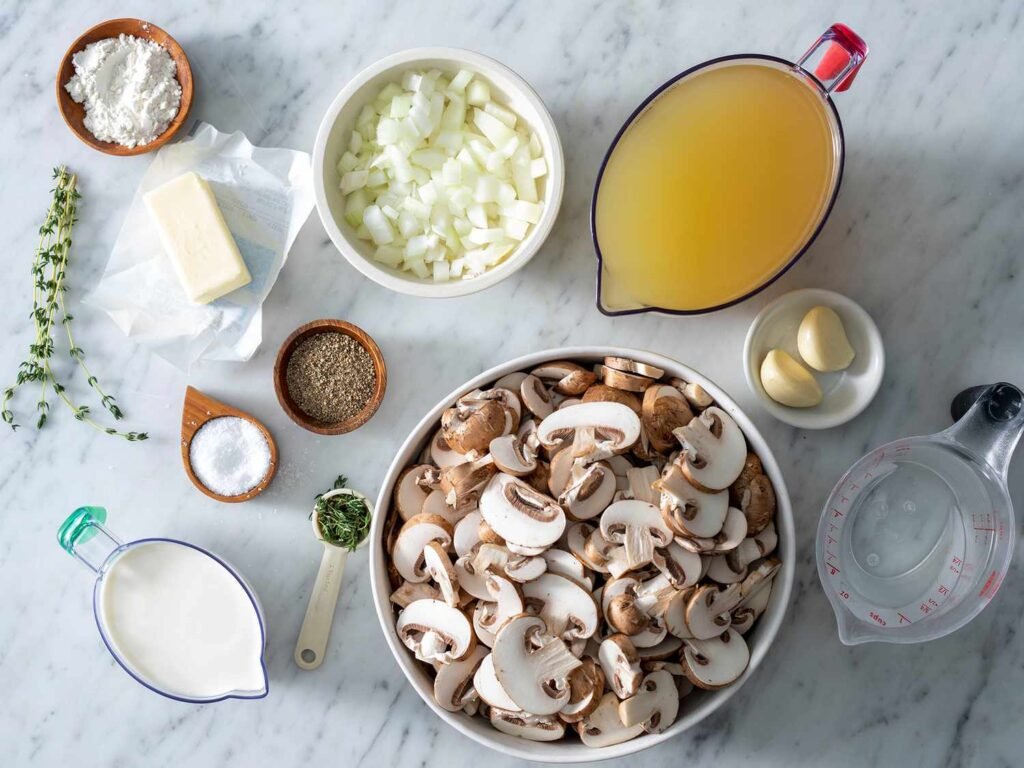
Mushroom soup can taste flat if not seasoned and layered carefully.
- Salt and Pepper: Add gradually throughout cooking to build flavor.
- Acidity: A small splash of lemon juice or apple cider vinegar brightens the soup and balances richness.
- Umami Boosters: Nutritional yeast, miso paste, or soy sauce intensify savory depth without dairy or meat.
- Finishing Herbs: Fresh parsley, chives, or thyme added at the end enhance aroma and flavor complexity.
Pro Tip: Taste and adjust seasoning in stages to ensure a balanced, harmonious soup.
Science Note: Flavor layering works because different compounds activate taste receptors at varying stages, creating a multidimensional profile.
Secret 6: Serve with Complementary Texture and Garnish
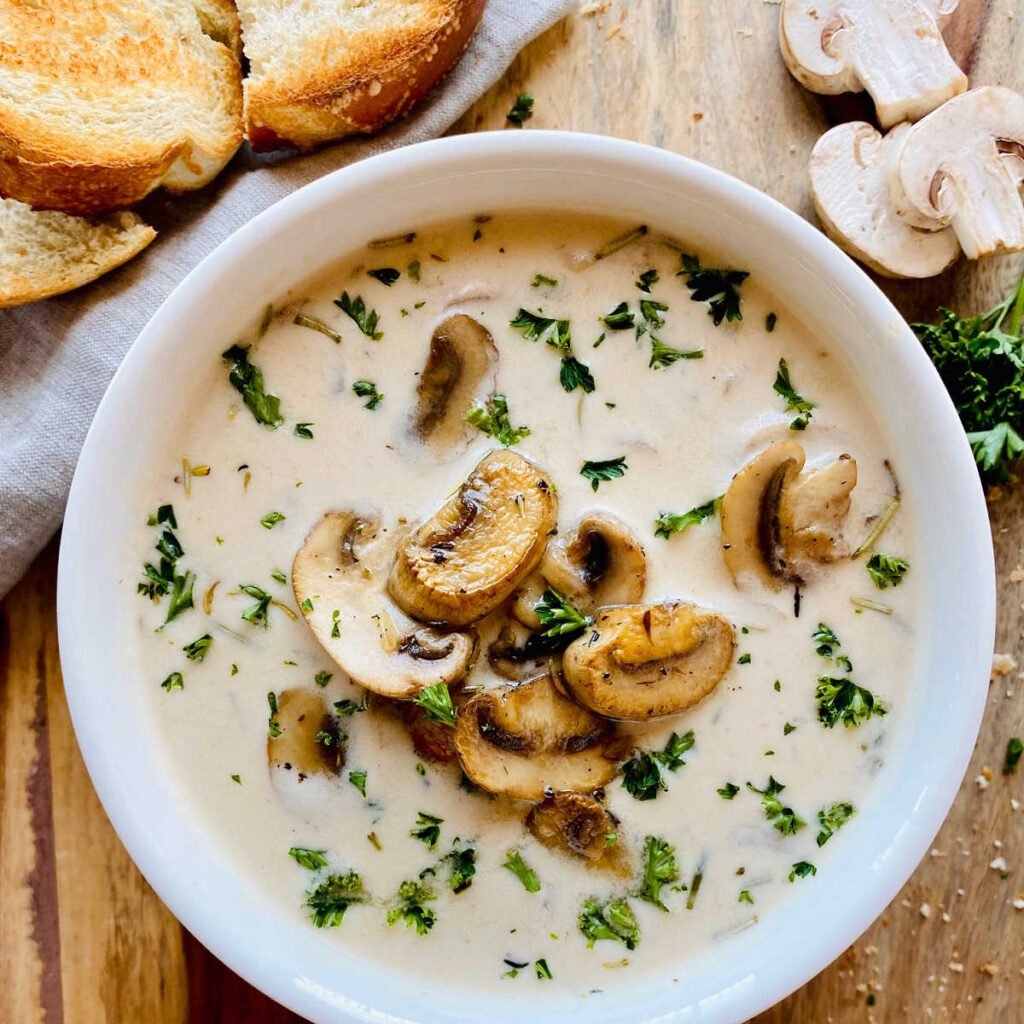
Presentation and texture elevate the mushroom soup experience.
- Toppings: Toasted seeds, croutons, or sautéed mushroom slices add crunch.
- Cream Swirl: Drizzle cashew cream, coconut milk, or olive oil for visual appeal and extra richness.
- Accompaniments: Serve with crusty bread, garlic toast, or a light salad for contrast.
- Temperature: Serve hot, but avoid boiling, which can dull flavor perception.
Pro Tip: Garnish with fresh herbs and a pinch of smoked paprika or truffle oil for restaurant-quality appeal.
Cultural Note: Mushroom soup is a classic in many European cuisines, appreciated for its comforting warmth, earthy flavor, and adaptability. Vegan adaptations preserve its elegance while making it suitable for modern dietary preferences.
Conclusion
Rich and creamy mushroom soup is a testament to how plant-based ingredients can create luxurious, deeply satisfying dishes. By following these six secrets—choosing the right mushrooms, sautéing to develop flavor, building a savory broth, achieving creaminess without dairy, layering flavors strategically, and finishing with texture and garnish—you can craft a soup that is hearty, aromatic, and velvety.
Plant-based alternatives such as coconut milk, cashew cream, and nutritional yeast provide the richness and mouthfeel of traditional cream without compromising on flavor. Proper cooking techniques like sautéing, slow simmering, and blending ensure maximum flavor extraction and harmonious texture.
Whether served as a starter, a main course, or a cozy weeknight meal, this mushroom soup delivers warmth, nutrition, and comfort in every spoonful. By mastering these techniques, cooks can create a soup that is elegant, nourishing, and fully plant-based, showcasing the full potential of mushrooms as a culinary centerpiece.