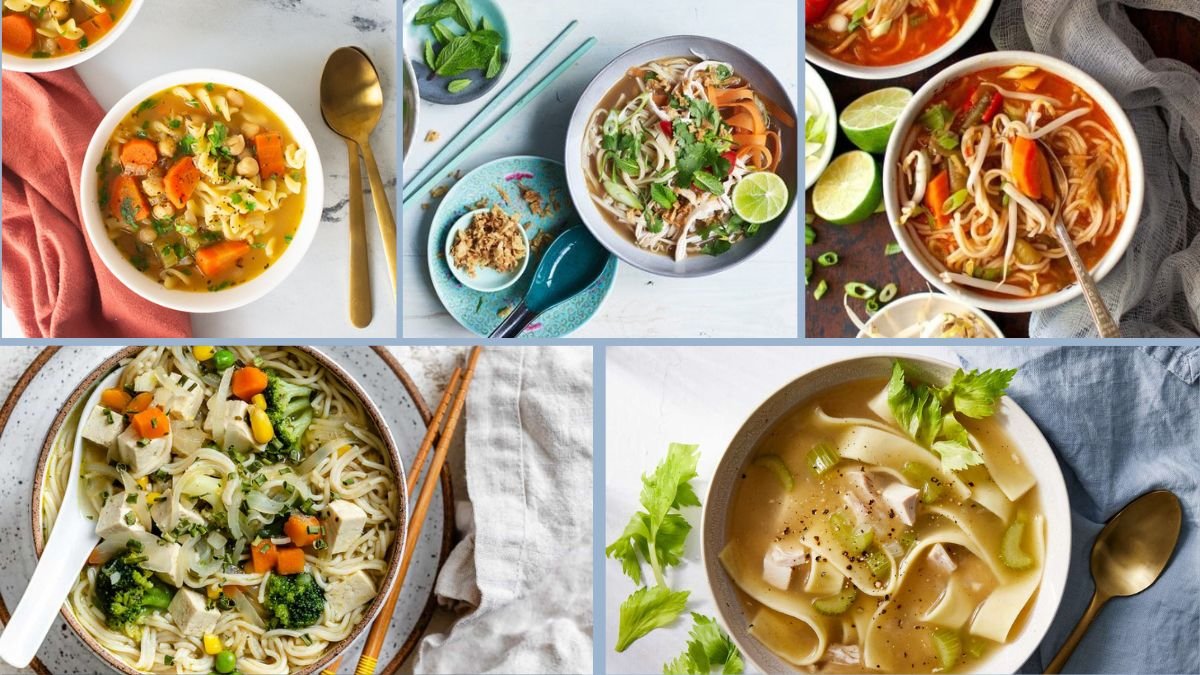
Few dishes evoke as much warmth and nostalgia as chicken noodle soup. It’s the ultimate comfort food, perfect for cold days, post-illness recovery, or a cozy family meal. But what if you want all the flavor and comfort without animal products? A vegan “chicken” noodle soup delivers the same heartiness and satisfaction using plant-based alternatives, while staying wholesome, nutritious, and deeply flavorful.
By understanding the essential ingredients, flavor-building techniques, and proper cooking methods, you can create a soup that rivals traditional recipes in richness, aroma, and texture. Here are five essential steps to craft a comforting vegan chicken noodle soup.
Step 1: Choose the Right Plant-Based “Chicken”
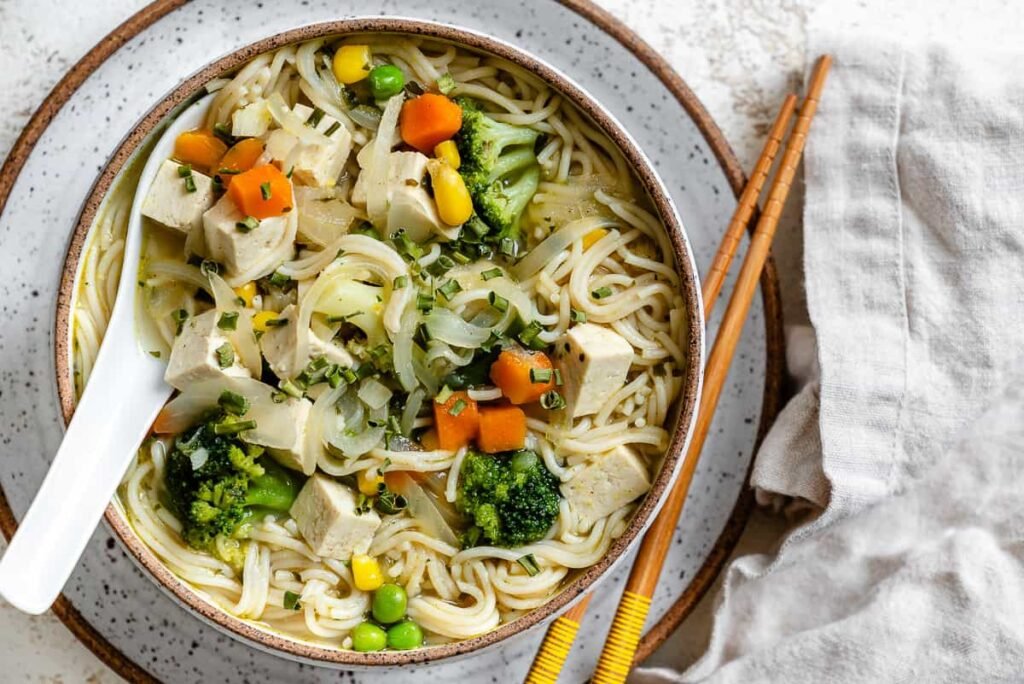
The key to authenticity in a vegan version is selecting the right protein substitute.
- Store-Bought Options: Tofu, tempeh, or seitan can mimic the texture of shredded chicken. Pre-seasoned vegan chicken strips are also available.
- Homemade Options: Jackfruit, particularly young green jackfruit, offers a fibrous texture reminiscent of shredded chicken. Cooked and seasoned tofu can also serve as a satisfying substitute.
- Cooking Tip: Marinate tofu, tempeh, or jackfruit in soy sauce, garlic, smoked paprika, and a touch of liquid smoke to develop depth and umami.
Science Insight: Plant-based proteins absorb surrounding flavors, making them versatile carriers of broth aromatics and seasonings. Proper marination enhances texture and taste simultaneously.
Step 2: Build a Flavorful Broth

A rich, savory broth is the heart of any chicken noodle soup.
- Vegetable Base: Onions, carrots, celery, garlic, and leeks provide foundational sweetness and aroma.
- Herbs and Spices: Bay leaves, thyme, parsley stems, and black peppercorns give complexity. A dash of turmeric adds warmth and color.
- Umami Enhancers: Nutritional yeast, soy sauce, miso, or mushroom powder boost depth, mimicking the savoriness of traditional chicken broth.
- Cooking Technique: Sauté vegetables in olive oil or plant-based butter before adding liquid. This releases aromatic compounds and enhances the flavor of the broth.
Pro Tip: Simmer the broth for at least 30–40 minutes to allow vegetables and spices to release their flavors fully. Strain if you prefer a clear, refined liquid, or leave it chunky for a rustic style.
Science Note: Slow simmering extracts water-soluble compounds such as sugars, amino acids, and aromatic oils, resulting in a naturally rich, satisfying broth.
Step 3: Select the Perfect Noodles
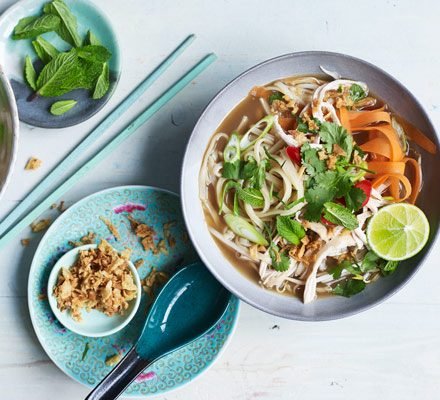
Noodles add both texture and heartiness. Choosing the right type ensures your soup is comforting and satisfying.
- Classic Options: Egg-free pasta like spaghetti, linguine, or fusilli works perfectly.
- Alternative Grains: Whole wheat, chickpea, or rice noodles provide extra nutrition.
- Cooking Tip: Cook noodles separately or add them toward the end of simmering to prevent overcooking and mushiness.
Pro Hack: For a more authentic “chicken noodle” feel, use medium-width noodles that can be twirled onto a fork easily, enhancing the eating experience.
Science Insight: Pasta absorbs water and some of the broth’s flavor during cooking. Controlling timing prevents excess starch from clouding or thickening the soup unintentionally.
Step 4: Layer Vegetables and Proteins Thoughtfully
The combination of vegetables and vegan protein creates a balanced, satisfying soup.
- Vegetables: Carrots, celery, and peas are traditional; add parsnips, zucchini, or green beans for variety and nutrition.
- Plant-Based “Chicken”: Incorporate marinated tofu, tempeh, seitan, or jackfruit after initial simmering to prevent overcooking.
- Timing Matters: Denser vegetables like carrots or parsnips should go in early; tender vegetables like zucchini or peas should be added last.
Pro Tip: Reserve a small portion of cooked vegetables and vegan protein to add back just before serving. This preserves color, texture, and visual appeal.
Food Science Insight: Layering ingredients based on cooking times ensures consistent texture and prevents some components from becoming mushy while others remain undercooked.
Step 5: Finish with Fresh Herbs, Acidity, and Seasoning

Final touches elevate vegan chicken noodle soup from good to memorable.
- Fresh Herbs: Parsley, dill, or chives provide brightness and a fresh aroma. Add at the very end to preserve volatile oils.
- Acidity: A splash of lemon juice or apple cider vinegar balances richness and enhances flavor perception.
- Salt and Pepper: Adjust carefully at the end, as plant-based proteins and umami boosters contribute additional saltiness.
- Optional Garnishes: Cracked black pepper, a drizzle of olive oil, or a sprinkle of nutritional yeast adds flavor complexity and visual appeal.
Pro Tip: Let the soup rest for 10–15 minutes after cooking. This allows flavors to meld and enhances overall harmony.
Cultural Note: In many cuisines, chicken noodle soup symbolizes comfort and healing. The vegan adaptation preserves this symbolism, making it a perfect dish for cozy evenings, family gatherings, or recovery meals.
Conclusion
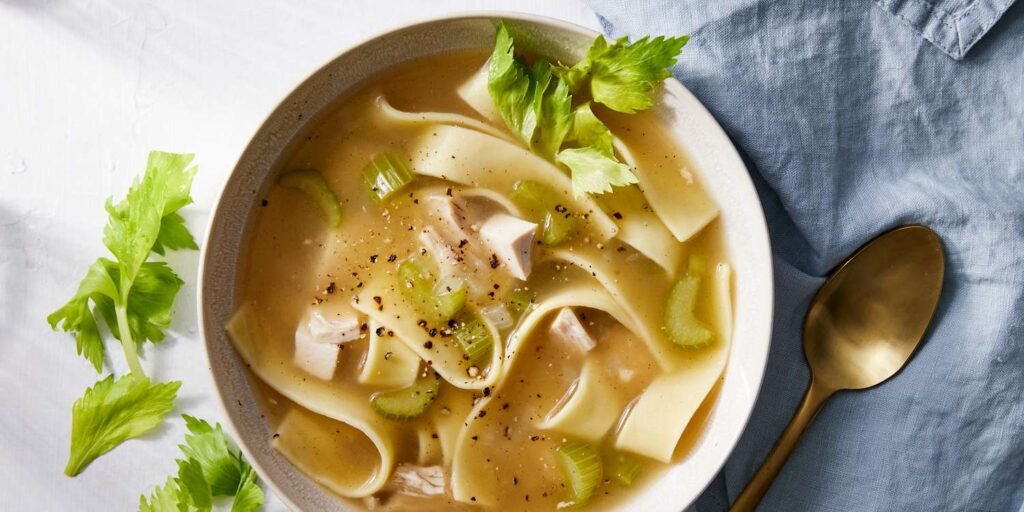
A comforting vegan chicken noodle soup demonstrates that flavor, richness, and heartiness do not require animal products. By following these five essential steps—choosing the right plant-based protein, building a flavorful broth, selecting appropriate noodles, layering vegetables and proteins thoughtfully, and finishing with herbs and acidity—you can create a soup that is nourishing, aromatic, and deeply satisfying.
Plant-based alternatives like tofu, tempeh, seitan, or jackfruit, when combined with aromatic vegetables, umami-rich seasonings, and fresh herbs, replicate the familiar taste and texture of traditional chicken noodle soup. Proper cooking techniques, such as simmering, layering, and timing, ensure a balance of flavors, textures, and visual appeal.
This vegan adaptation proves that comfort food can be ethical, wholesome, and deeply flavorful. Whether served during cold winter evenings, shared with loved ones, or enjoyed as a restorative meal, every spoonful brings warmth, nourishment, and the enduring feeling of “home-cooked” care.