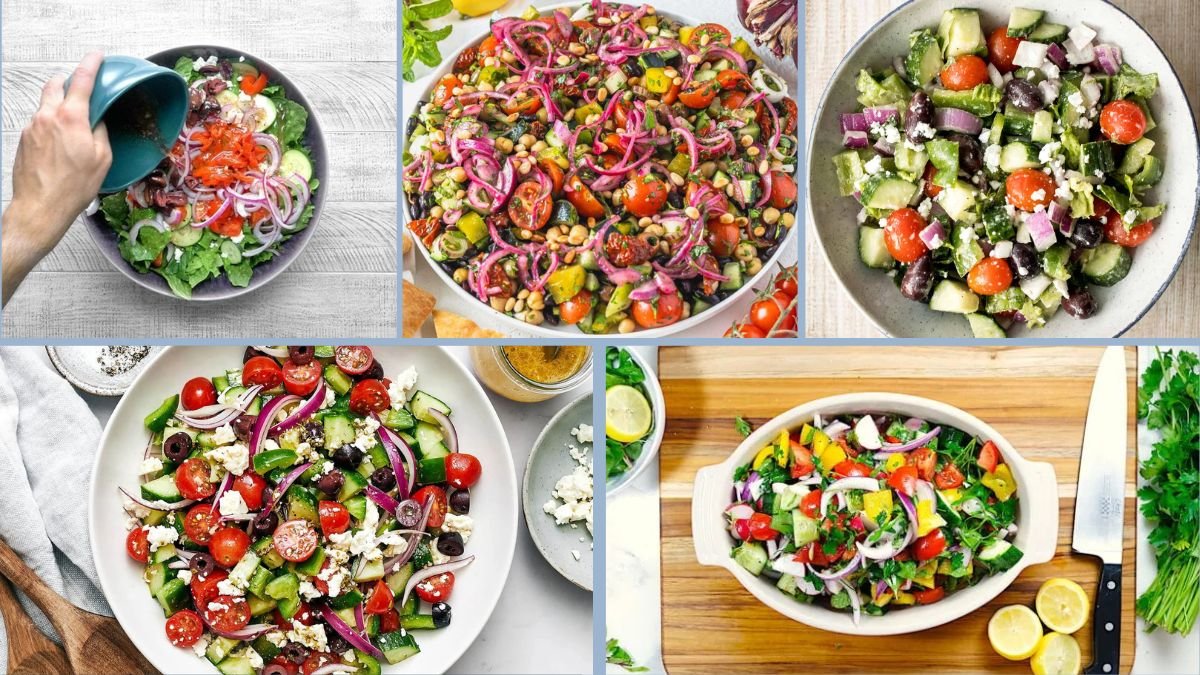
Mediterranean cuisine is celebrated worldwide for its vibrant flavors, fresh ingredients, and health benefits. A colorful Mediterranean salad embodies the essence of this culinary tradition, combining crisp vegetables, aromatic herbs, wholesome grains, and nutrient-rich legumes. Beyond its visual appeal, it delivers a balance of textures, flavors, and nutrition, making it a versatile dish suitable for lunch, dinner, or entertaining.
Creating a Mediterranean salad that is both beautiful and nourishing requires thoughtful selection of ingredients, layering of flavors, and careful attention to textures. Here are ten tips to craft a colorful and satisfying Mediterranean salad.
Tip 1: Embrace a Rainbow of Vegetables
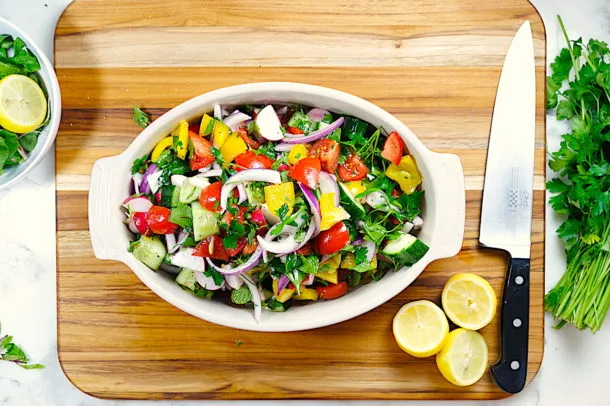
The foundation of any vibrant Mediterranean salad is fresh vegetables in a variety of colors.
- Red and Orange: Bell peppers, cherry tomatoes, carrots, and roasted red peppers.
- Green: Cucumbers, spinach, arugula, or romaine lettuce.
- Purple and Blue: Red cabbage, radicchio, or purple carrots.
- Technique: Chop vegetables uniformly for an even mix and appealing presentation.
Pro Tip: Include at least three different colors in each salad to maximize visual appeal and nutrient diversity.
Nutrition Insight: Different colored vegetables provide unique phytonutrients, antioxidants, and vitamins, contributing to overall health and immunity.
Tip 2: Incorporate Wholesome Grains
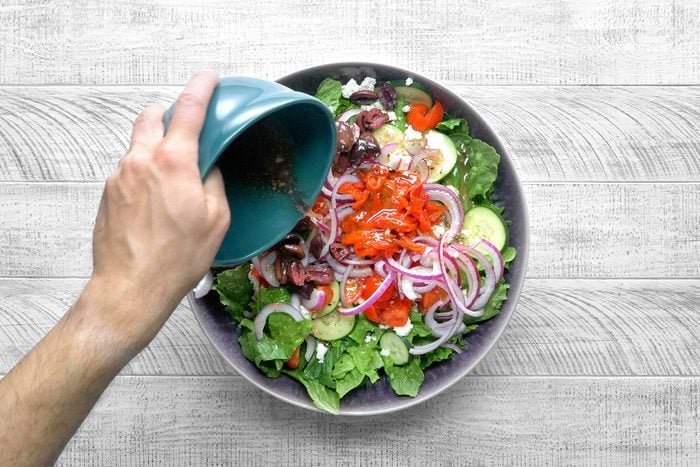
Grains add texture, substance, and nutrition, turning a salad into a complete meal.
- Options: Quinoa, farro, bulgur, or couscous.
- Cooking Tip: Cook grains until tender but firm (al dente) to maintain texture. Cool before mixing to prevent wilting greens.
- Flavor Infusion: Cook grains in vegetable broth for added depth.
Science Insight: Whole grains provide fiber, slow-digesting carbohydrates, and plant-based protein, enhancing satiety and stabilizing blood sugar.
Tip 3: Add Plant-Based Proteins
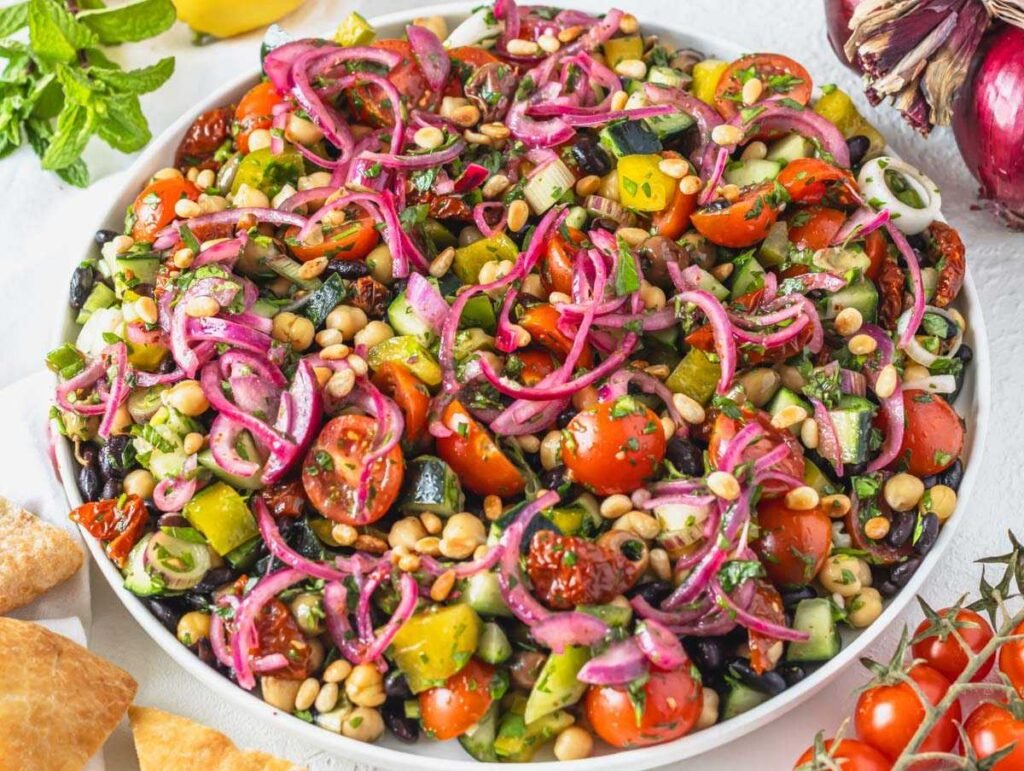
Protein enriches the salad, making it satisfying and nutritionally balanced.
- Legumes: Chickpeas, lentils, or black beans offer protein and fiber.
- Nuts and Seeds: Almonds, walnuts, pumpkin seeds, or sunflower seeds add crunch and healthy fats.
- Tofu or Tempeh: Marinated or lightly grilled for added texture and flavor.
Pro Tip: Toast nuts and seeds to enhance flavor and aroma without adding oil.
Nutrition Insight: Plant-based proteins paired with grains create a complete amino acid profile, supporting muscle health and overall nutrition.
Tip 4: Layer Fresh Herbs for Aroma
Herbs are a defining element of Mediterranean cuisine, bringing fragrance and complexity.
- Common Choices: Parsley, basil, dill, mint, and oregano.
- Technique: Chop finely or tear leaves to release essential oils. Add just before serving to maintain freshness.
Pro Tip: Use a mix of herbs to create depth; for example, parsley for brightness, mint for coolness, and oregano for earthiness.
Science Insight: Fresh herbs contain volatile compounds that stimulate the olfactory senses, enhancing perceived flavor without added calories.
Tip 5: Include Healthy Fats
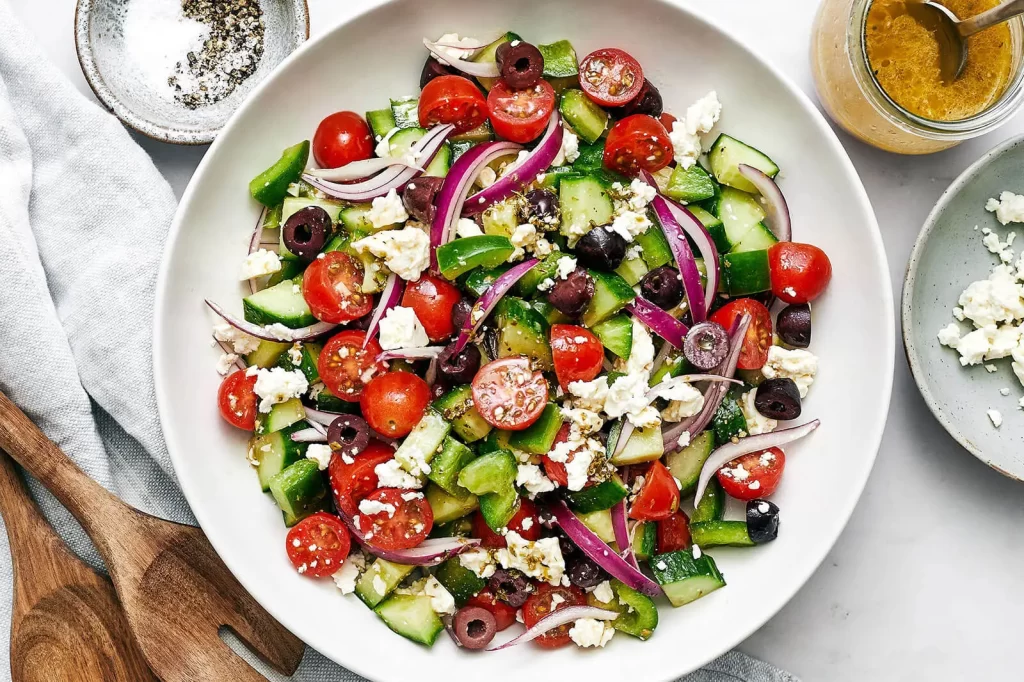
Healthy fats contribute flavor, richness, and nutrient absorption.
- Olive Oil: The cornerstone of Mediterranean cooking, providing monounsaturated fats and antioxidants.
- Avocado: Adds creaminess and heart-healthy fats.
- Seeds and Nuts: Contribute both fat and texture.
Pro Tip: Drizzle extra virgin olive oil over the salad just before serving for maximum aroma and flavor.
Nutrition Insight: Fats improve the bioavailability of fat-soluble vitamins (A, D, E, K) and carotenoids from vegetables.
Tip 6: Add Crunch and Texture
Texture makes a salad engaging and satisfying.
- Vegetable Crunch: Raw bell peppers, cucumbers, radishes, and carrots.
- Grain or Seed Crunch: Toasted nuts, seeds, or crispy chickpeas.
- Optional Crispy Elements: Oven-toasted pita chips or roasted eggplant cubes.
Pro Tip: Combine multiple textures in each bite to create interest and enhance the eating experience.
Tip 7: Include Bright Acidity
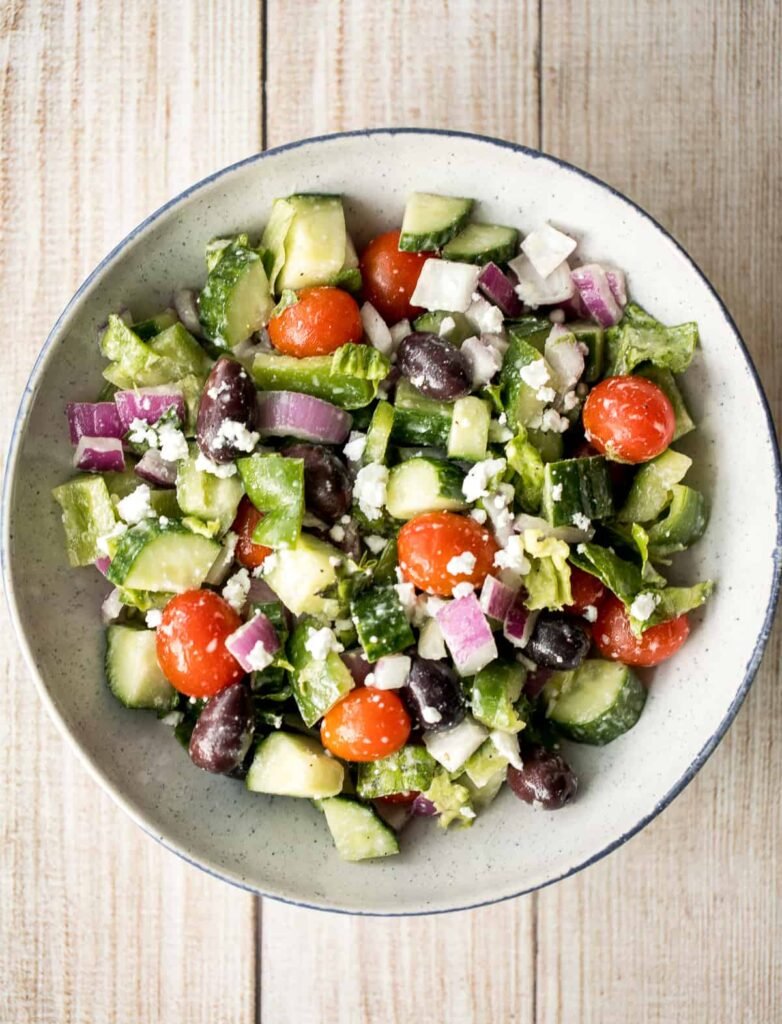
Acidity balances flavors, enhances freshness, and brightens the overall dish.
- Citrus: Lemon or orange juice adds a tangy note.
- Vinegars: Red wine, balsamic, or apple cider vinegar provides complexity.
- Pickled Vegetables: Pickled onions or olives introduce subtle tang and brininess.
Pro Tip: Add acid gradually and taste as you go to prevent overpowering delicate flavors.
Science Insight: Acidity stimulates salivary glands and enhances perception of flavors, making salads taste fresher and more vibrant.
Tip 8: Season Thoughtfully
Proper seasoning enhances all the natural flavors of the ingredients.
- Salt: A small pinch brings out the natural sweetness of vegetables.
- Pepper: Freshly cracked black pepper adds mild heat and aroma.
- Optional Spices: Smoked paprika, sumac, or za’atar can add an exotic Mediterranean touch.
Pro Tip: Season layers as you assemble the salad instead of just at the end for a more balanced flavor.
Tip 9: Mix Dressings Mindfully
A good dressing ties all the ingredients together.
- Classic Mediterranean Dressing: Olive oil, lemon juice, garlic, Dijon mustard, and a touch of honey or agave.
- Yogurt-Based Dressing (Plant-Based): Coconut or soy yogurt adds creaminess while maintaining vegan integrity.
- Emulsion Technique: Whisk or shake thoroughly to combine oil and acid for a smooth, consistent dressing.
Pro Tip: Toss salad lightly with dressing just before serving to maintain crispness.
Science Insight: Emulsified dressings coat ingredients evenly, enhancing mouthfeel and flavor distribution.
Tip 10: Make It Visually Appealing
A salad that looks appealing is more appetizing and encourages mindful eating.
- Color Balance: Aim for at least five different colors for a visually striking presentation.
- Layering: Arrange ingredients in sections or in a spiral for a professional look.
- Garnish: Sprinkle seeds, fresh herbs, or edible flowers for final touches.
Pro Tip: Serve in shallow bowls or on large platters to highlight colors and textures.
Cultural Note: Mediterranean cuisine celebrates beauty, freshness, and seasonal ingredients, making the visual aspect of a salad as important as its flavor.
Conclusion
A colorful Mediterranean salad is more than a side dish—it’s a complete, nutrient-rich meal that combines flavor, texture, and visual appeal. By following these ten tips—embracing a rainbow of vegetables, incorporating wholesome grains, adding plant-based proteins, layering fresh herbs, including healthy fats, adding crunch, balancing acidity, seasoning thoughtfully, mixing dressings mindfully, and focusing on visual appeal—you can create a salad that is as beautiful as it is nourishing.
Plant-based Mediterranean salads showcase the versatility of fresh vegetables, grains, legumes, and herbs, proving that a vegan diet can be vibrant, satisfying, and full of flavor. Proper ingredient selection, thoughtful layering, and careful seasoning result in a salad that is balanced, nutrient-dense, and enjoyable to eat.
Whether enjoyed as a light lunch, a side for dinner, or a dish for entertaining, a Mediterranean salad embodies the principles of wholesome eating, seasonality, and culinary creativity. By mastering these techniques, you can craft a salad that delights the senses, nourishes the body, and celebrates the vibrant colors and flavors of Mediterranean cuisine.