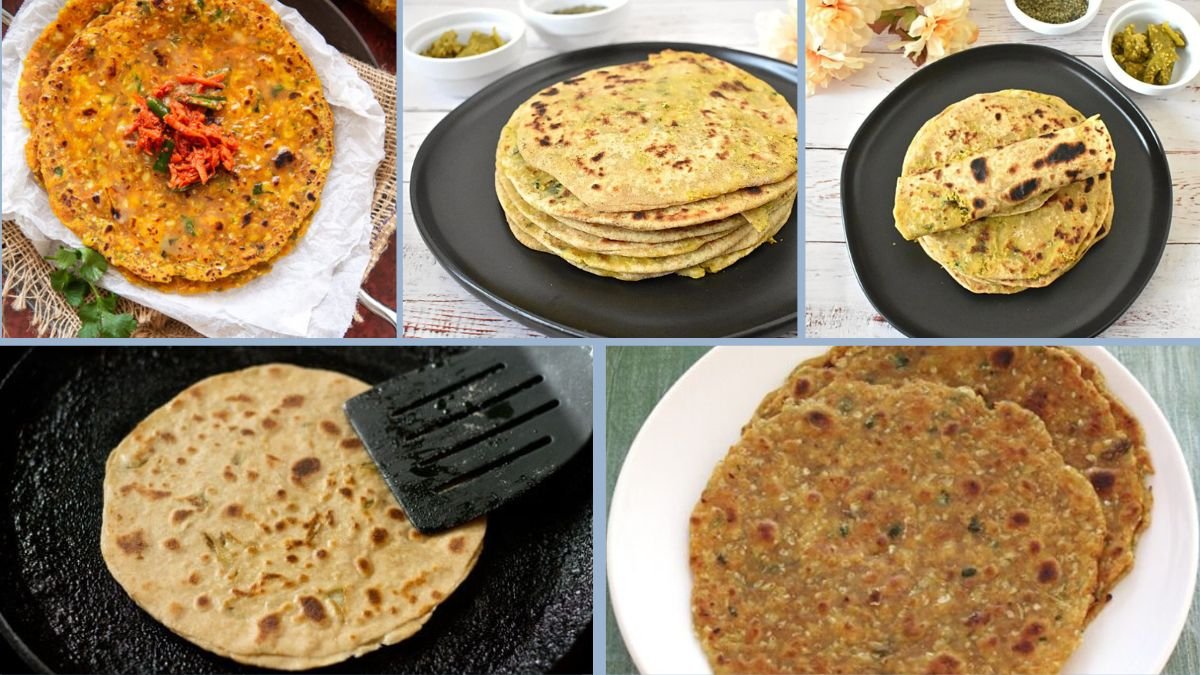
Paratha—a beloved Indian flatbread—is traditionally cooked with generous amounts of oil or ghee, especially when stuffed. While delicious, these additions often make parathas unsuitable for people seeking low-fat or heart-healthy meals.
This article explores a wholesome alternative: Cabbage Paratha made without oil—a simple, flavorful, and nutritious flatbread that retains traditional taste while supporting modern health goals. By using cabbage as the main stuffing and eliminating oil entirely from both the dough and cooking process, this recipe aligns with vegetarian, satvik, and diet-specific meal plans such as low-fat, weight-loss, and cholesterol-controlled diets.
Structured in 5 clear steps, this guide provides detailed instructions on ingredients, technique, and nutritional value, making it suitable for both home cooks and academic study in food science, culinary arts, or nutritional planning.
Why Cabbage & Why No Oil?
Nutritional Benefits of Cabbage:
- Rich in dietary fiber, supporting digestion
- Contains Vitamin C, Vitamin K, and antioxidants
- Low in calories and carbs
- Has anti-inflammatory and detoxifying properties
Why Eliminate Oil?
- Reduces overall calorie content
- Avoids saturated and trans fats
- Makes the recipe suitable for people with heart conditions, obesity, or high cholesterol
- Supports plant-based, low-fat diets
Step 1: Gather & Prepare the Ingredients
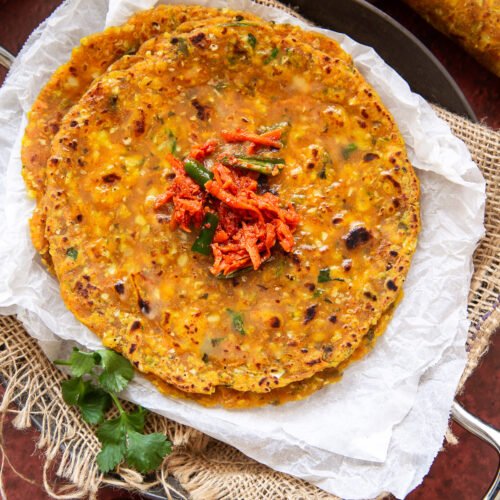
This paratha recipe uses common, easily available ingredients. The quantity below serves 4 parathas (2 servings).
Ingredients:
| Category | Ingredient | Quantity |
|---|---|---|
| Base Flour | Whole wheat flour | 1.5 cups |
| Main Filling | Cabbage (finely grated) | 1.5 cups |
| Aromatics | Green chili (finely chopped) | 1 small |
| Ginger (grated) | 1 tsp | |
| Herbs & Flavor | Coriander leaves (chopped) | 2 tbsp |
| Spices | Turmeric powder | ¼ tsp |
| Red chili powder | ½ tsp | |
| Garam masala | ½ tsp | |
| Ajwain (carom seeds) | ½ tsp | |
| Binding & Taste | Salt | To taste |
| Moisture Agent | Warm water (for kneading) | As required |
| Optional | Lemon juice | 1 tsp (optional) |
Note: All ingredients used are vegetarian, and no dairy/oil is used, making the recipe suitable for vegan diets as well.
Step 2: Prepare the Cabbage Filling
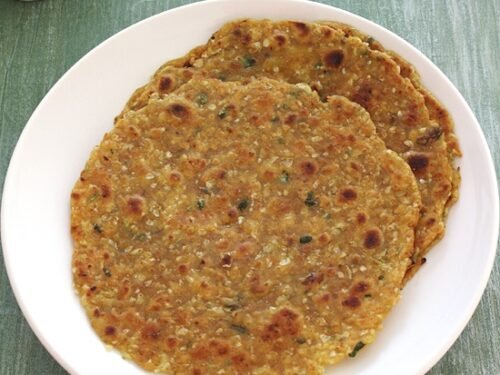
The key to a successful cabbage paratha is ensuring that the filling is flavorful and not too watery. Cabbage naturally releases moisture, which must be managed to prevent soggy or torn dough.
Instructions:
- Grate cabbage finely using a manual grater or food processor.
- Sprinkle a small amount of salt over the cabbage and let it rest for 10–15 minutes.
- Squeeze out excess water from the cabbage using your hands or a muslin cloth.
- In a mixing bowl, add the squeezed cabbage, green chili, ginger, coriander leaves, turmeric, chili powder, ajwain, and garam masala. Mix well.
- Taste and adjust salt as needed.
Do not cook the cabbage—it will soften naturally while cooking the paratha.
Step 3: Knead the Dough with Cabbage
In this step, we combine the filling directly into the dough instead of stuffing it separately. This method simplifies the process and avoids the need for oil during rolling or roasting.
Instructions:
- To the cabbage mixture, start adding whole wheat flour gradually.
- Begin kneading, adding warm water little by little.
- Knead until you get a soft, pliable, and non-sticky dough.
- Let the dough rest for 15–20 minutes, covered with a damp cloth.
Since the cabbage releases some residual moisture, be careful not to add too much water at once.
This method creates a blended paratha, where the flavor is distributed evenly, and it becomes easier to roll without needing oil.
Step 4: Roll & Cook the Parathas (Without Oil)
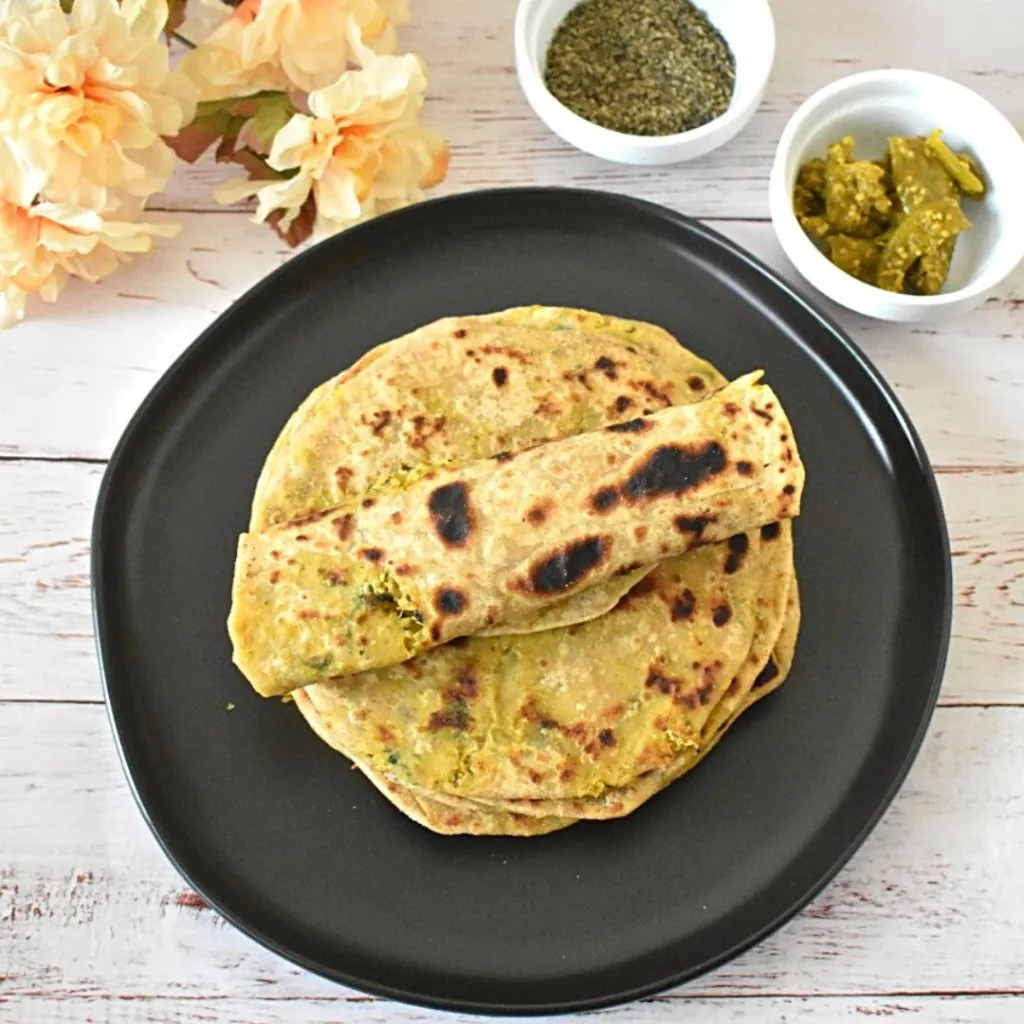
Now that the dough is ready, it’s time to shape and cook the parathas without using oil or ghee.
Rolling:
- Divide the dough into equal parts (about 4 balls).
- Dust a rolling surface with dry flour.
- Roll each ball into a 6–7 inch circle (not too thin).
- If the dough sticks, sprinkle dry flour—but avoid overusing.
Cooking:
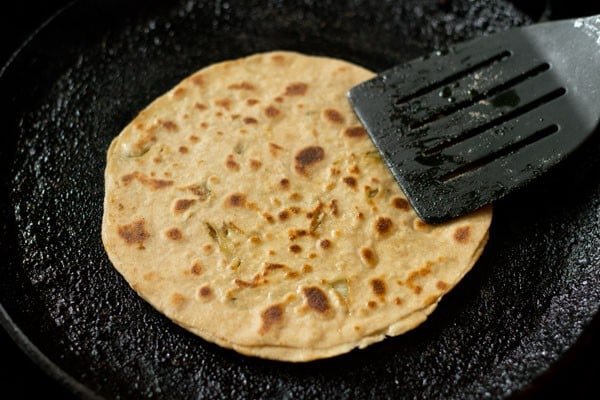
- Heat a non-stick tawa (griddle) or cast-iron skillet on medium heat.
- Place a rolled paratha on the hot tawa.
- Cook on one side until bubbles and golden spots appear (about 40–60 seconds).
- Flip and repeat on the other side.
- Flip 1–2 more times to ensure both sides are fully cooked, pressing lightly with a spatula.
Do not use oil at any stage. A good-quality non-stick or seasoned iron tawa ensures even cooking.
Step 5: Serving, Pairing, & Storage
Cabbage parathas are flavorful on their own but taste even better when paired with light, healthy sides.
Serving Suggestions:
| Option | Type |
|---|---|
| Plain curd or vegan yogurt | Cooling & probiotic |
| Mint chutney or coriander chutney | Fresh & herby |
| Pickle (achar) | Tangy, for contrast |
| Tomato-onion salad | Adds crunch & hydration |
| Boiled lentils (dal) | Protein addition for a full meal |
Serving Tips:
- Serve warm for best texture.
- Add a dash of lemon juice or sprinkle roasted cumin powder for enhanced taste.
Storage Instructions:
- Refrigerate: Cooked parathas can be stored in an airtight box for up to 2 days.
- Reheat: Use a hot tawa or microwave. No oil needed.
- Freeze: You can also freeze rolled raw parathas with parchment between layers. Cook directly from frozen.
Nutritional Profile (Per Paratha – Approximate):
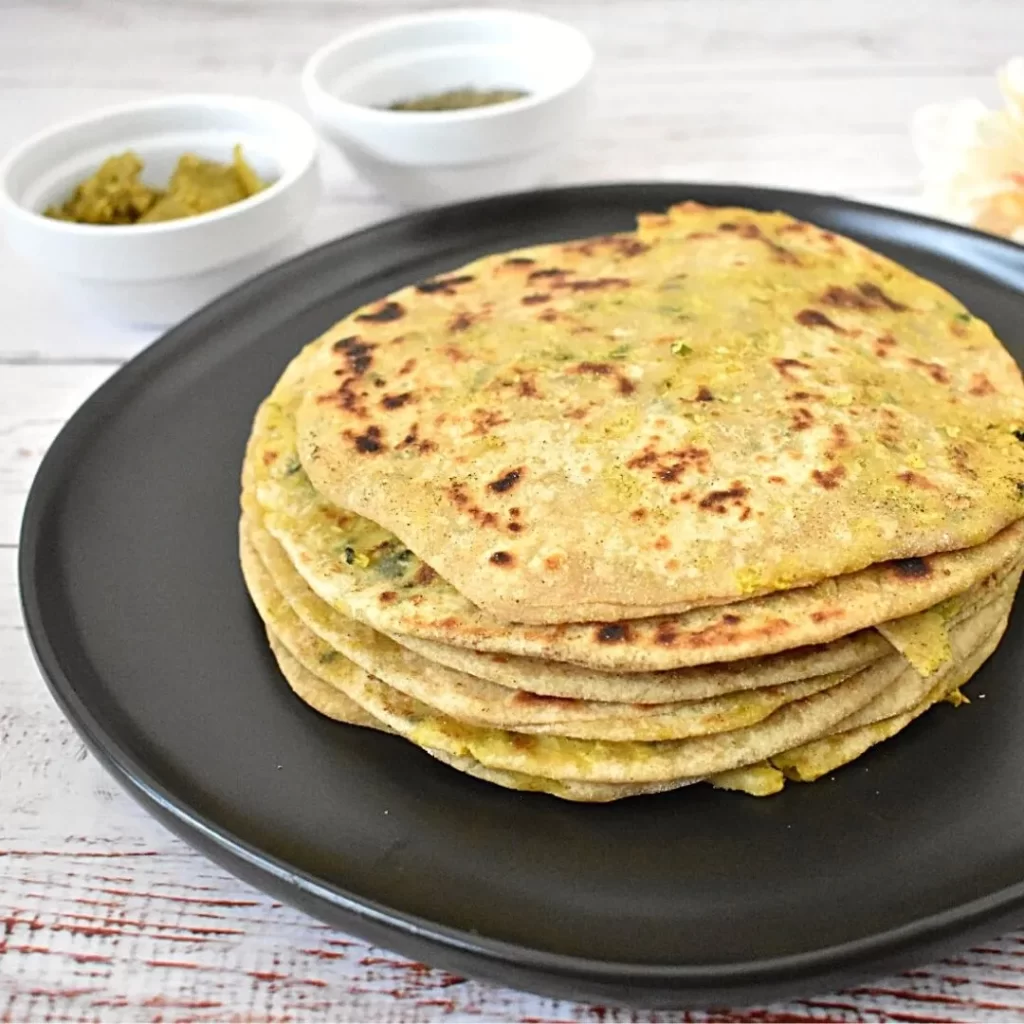
| Nutrient | Value |
|---|---|
| Calories | 130–150 kcal |
| Carbohydrates | 22–25g |
| Protein | 4–5g |
| Fat | 0.5–1g (from flour only) |
| Fiber | 3–4g |
| Cholesterol | 0g |
Health Highlights:
- Zero added oil/fat
- High in fiber and complex carbohydrates
- Ideal for diabetics, heart patients, and weight-watchers
- 100% plant-based
- Balanced with spices and herbs, aiding digestion and metabolism
Common Issues & Troubleshooting
| Problem | Cause | Solution |
|---|---|---|
| Dough is too sticky | Too much water or cabbage moisture | Add more flour, knead again |
| Paratha breaks while rolling | Dough too dry or not rested | Add a little water, let rest |
| Tastes bland | Insufficient salt/spices | Taste cabbage mixture before kneading |
| Paratha undercooked inside | Thick dough or high flame | Roll evenly, cook on medium heat |
| Burns on tawa | High heat or dry pan | Use a well-seasoned pan, control heat |
Variations & Add-Ons
Although the recipe is simple and oil-free, it can be modified for taste and variety:
- Gluten-Free: Use millet or oat flour (requires practice to roll)
- Add Seeds: Sprinkle flaxseed or sesame for crunch and nutrients
- Herbal Boost: Add fresh mint or kasuri methi for flavor variation
- Low-FODMAP Option: Use zucchini instead of cabbage
- High-Protein Twist: Add crumbled tofu or chickpea flour
Conclusion
This 5-Step Recipe for Cabbage Paratha Without Oil demonstrates how traditional Indian cuisine can be adapted for modern health-conscious lifestyles. By removing oil from both dough and cooking process, and leveraging the natural flavor and texture of cabbage, we achieve a flatbread that is:
- Tasty and satisfying
- Simple to make
- Low in fat and calories
- Wholesome and vegetarian
Whether you’re a home cook, a nutrition student, or part of a wellness-focused culinary program, this recipe represents how healthy eating does not require compromising on culture or flavor.