
Snacking is an integral part of our daily routine, and in India, the tradition of quick yet flavorful snacks has always been celebrated. From crunchy pakoras to spicy chaats, our taste buds crave that perfect balance of crispiness, tanginess, and nutrition. Among the countless snack options, Vegetable Kurkure Snacks stand out as a unique fusion of health and taste.
Unlike packaged fried foods that are loaded with preservatives and artificial flavors, homemade vegetable kurkure offers a healthier, fresher, and more versatile alternative. With a few simple ingredients and a structured approach, you can prepare this snack at home in just five easy steps.
This article will walk you through the 5-step recipe for Vegetable Kurkure Snacks, along with detailed insights into ingredients, health benefits, cultural significance, and expert cooking tips.
Why Vegetable Kurkure Snacks?
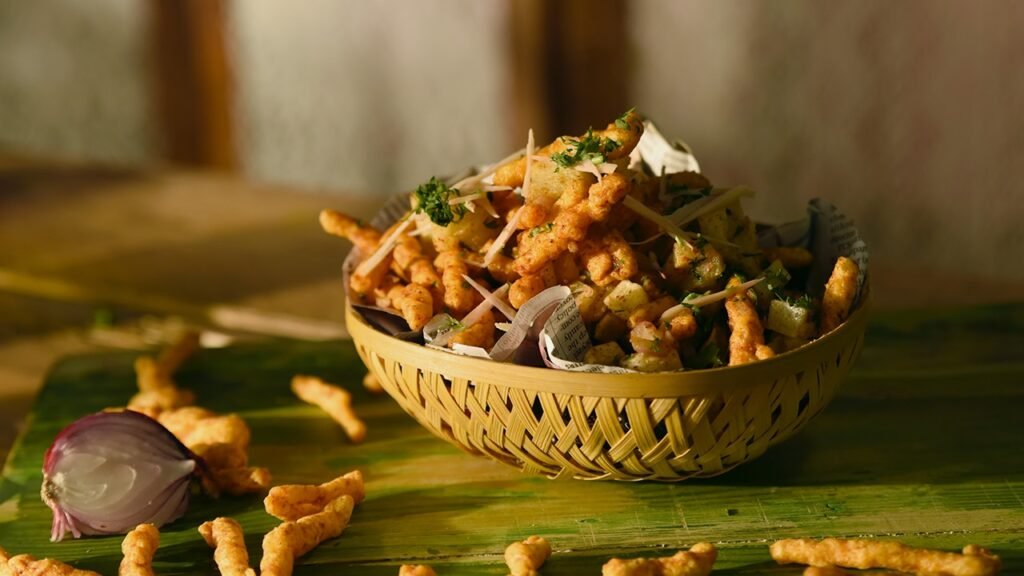
Before diving into the preparation, it’s important to understand why this snack is gaining popularity:
- Crunch with Nutrition – Fresh vegetables provide vitamins, minerals, and fiber, while the crispy coating satisfies the craving for a crunchy snack.
- Versatility – You can prepare them for evening tea, kids’ lunch boxes, or even as party appetizers.
- Customizable – Spice levels, vegetable choices, and even the cooking method (deep fry, air fry, or bake) can be adjusted.
- 100% Vegetarian – A perfect option for those who prefer a purely vegetarian lifestyle.
- Budget-Friendly – Simple ingredients make it affordable without compromising taste.
Key Ingredients
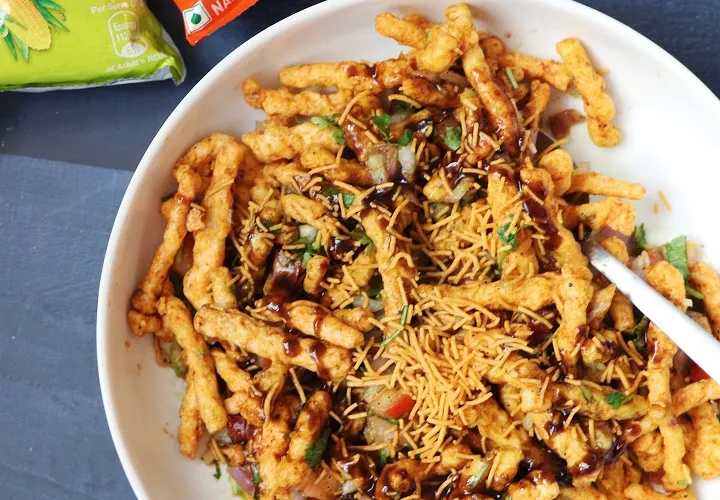
To prepare vegetable kurkure, you’ll need:
- Mixed vegetables – 1 cup (grated or finely chopped; carrots, cabbage, capsicum, beans, potatoes)
- Boiled sweet corn – ½ cup (optional, for added sweetness and crunch)
- Green chili – 1, finely chopped (adjust as per taste)
- Ginger-garlic paste – 1 tsp
- Coriander leaves – 2 tbsp, finely chopped
- Gram flour (besan) – ½ cup
- Rice flour or corn flour – ¼ cup (for extra crispiness)
- Red chili powder – 1 tsp
- Turmeric powder – ¼ tsp
- Garam masala – ½ tsp
- Salt – as per taste
- Carom seeds (ajwain) – ¼ tsp (aids digestion)
- Crushed cornflakes or poha (flattened rice) – ½ cup (for crunchy coating)
- Oil – for frying or brushing (if air frying/baking)
The 5-Step Recipe
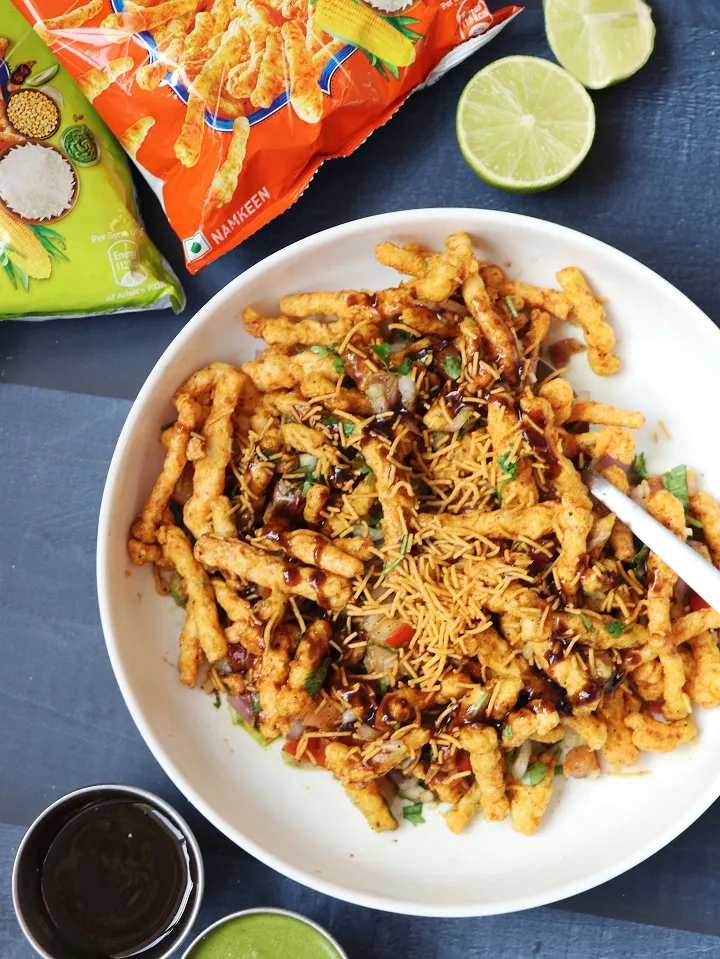
Step 1: Prepare the Vegetable Mix
- Wash, peel, and grate/chop all vegetables finely.
- Squeeze out excess moisture from watery vegetables like cabbage and carrot to avoid soggy snacks.
- Transfer them into a mixing bowl. Add boiled sweet corn, chopped green chili, ginger-garlic paste, and fresh coriander leaves.
This vegetable base ensures the snack is wholesome and full of natural flavors.
Step 2: Add Spices and Binding Flours
- Into the vegetable mix, add gram flour (besan) and rice flour (or corn flour).
- Sprinkle in red chili powder, turmeric, garam masala, carom seeds, and salt.
- Mix well until all the vegetables are coated with the flour and spices.
- If the mixture feels too dry, sprinkle a little water. If too wet, add more gram flour.
This step ensures that the vegetables stick together, forming a thick dough-like mixture suitable for shaping.
Step 3: Shape and Coat the Snacks
- Take small portions of the mixture and shape them into cylindrical sticks, fingers, or nugget-like pieces.
- Roll each shaped snack in crushed cornflakes or poha. This adds the signature kurkure crunch.
- Place them on a tray lined with parchment paper, ready for frying or baking.
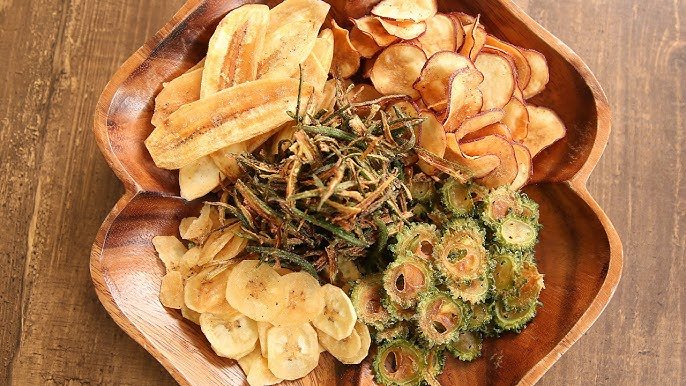
Step 4: Cook the Kurkure Snacks
You have three healthy cooking options:
- Deep Frying – Heat oil in a kadhai. Fry the shaped snacks on medium flame until golden and crispy. Drain on tissue paper to remove excess oil.
- Air Frying – Preheat the air fryer to 180°C. Brush or spray the snacks with a little oil and air fry for 12–15 minutes, flipping halfway.
- Baking – Preheat oven to 200°C. Arrange snacks on a greased tray and bake for 20–25 minutes until crisp, turning once midway.
Step 5: Garnish and Serve
- Place the kurkure snacks on a serving plate.
- Sprinkle with chaat masala and garnish with fresh coriander leaves.
- Serve hot with green chutney, tomato ketchup, or yogurt dip.
Serving Suggestions

Vegetable kurkure snacks are versatile and can be enjoyed in many ways:
- Tea-time snack – Perfect with evening chai.
- Party appetizer – Serve with spicy dips like mint chutney or cheesy mayo.
- Kids’ tiffin – Pair with ketchup for a lunchbox-friendly option.
- Chaat-style – Add chopped onions, tomatoes, green chutney, sweet tamarind chutney, and sev for a crunchy kurkure chaat.
Nutritional Benefits
Homemade vegetable kurkure snacks offer more than just taste:
- Rich in Fiber – Thanks to fresh vegetables, aiding digestion.
- Protein and Iron – From gram flour and corn.
- Low Preservatives – Fresh preparation avoids harmful additives.
- Customizable Health Options – Air-fried or baked versions reduce oil intake significantly.
A serving of 4–5 pieces (about 100 g) contains approximately 180–220 calories, depending on the cooking method.
Expert Tips for Perfect Kurkure Snacks
- Crunch factor – Always use rice flour/corn flour for crispiness.
- Vegetable balance – Avoid adding too many watery vegetables like zucchini or cucumber.
- Spice adjustment – Keep spices mild for kids or make it fiery for spice lovers.
- Storage – Half-fry the snacks, cool them, and freeze. Fry again when needed for instant fresh kurkure.
- Oil temperature – Maintain medium flame while frying; too hot burns the outside, too low makes them soggy.
Cultural and Social Relevance
Snacks like vegetable kurkure are not just about taste—they also reflect India’s food culture of sharing and experimenting. Traditionally, snacks were made using seasonal vegetables, ensuring minimal waste and maximum nutrition. Today, with changing lifestyles, homemade snacks bring families together, offering a healthier alternative to packaged foods.
Moreover, kurkure-style snacks bridge the gap between modern fast food cravings and traditional Indian flavors, making them popular among both children and adults.
Conclusion
Vegetable Kurkure Snacks combine the crunch of modern snacking with the nourishment of home-cooked food. By following the 5 simple steps—preparing the vegetable mix, adding spices and flours, shaping and coating, cooking, and serving—you can create a snack that is crunchy, flavorful, and wholesome.
Unlike store-bought options, this homemade version gives you full control over the ingredients, oil content, and flavors, ensuring both health and taste. Whether for family tea-time, festive gatherings, or quick kids’ treats, vegetable kurkure snacks are a surefire way to win hearts.
Next time you crave something crunchy and delightful, skip the packaged chips—head to your kitchen, and create these homemade vegetable kurkure snacks that are 100% vegetarian, nutritious, and irresistibly tasty.