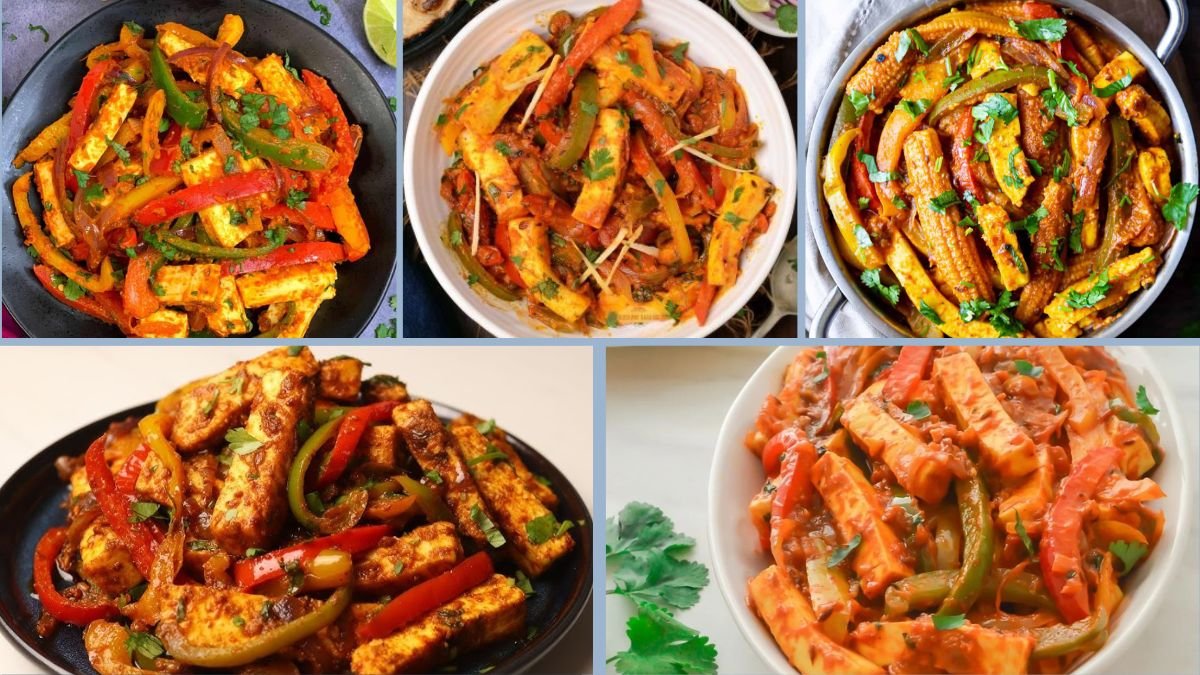
Paneer Jalfrezi is a vibrant, flavour-packed Indian dish featuring succulent cubes of paneer (Indian cottage cheese) cooked with colourful bell peppers, onions, tomatoes and a blend of aromatic spices. When done right, it offers a perfect balance of tangy, sweet and spicy flavours with a slight crispness of vegetables and softness of paneer, just like in top Indian restaurants. This article outlines seven steps to help you prepare Paneer Jalfrezi that tastes restaurant-style, with detailed guidance on ingredients, techniques, timing and presentation.
Introduction: What Makes Restaurant-Style Paneer Jalfrezi Different

Before diving into the steps, it’s important to understand what sets restaurant-style Paneer Jalfrezi apart:
- High heat cooking to preserve crispness of vegetables and prevent sogginess.
- Layered flavour development: roasted spices, tempered onions, sautéed peppers.
- Paneer texture: soft inside but slightly firm or lightly browned outside so it holds its shape.
- Balanced spice & tang: acidity (tomato/lemon), a touch of sweetness, heat from chillies or chilli powder.
- Good presentation: bright colours, distinct vegetable shapes, garnishing.
With that in mind, let’s get into the seven steps.
Step 1: Selecting and Preparing Ingredients

Paneer
- Use fresh, good-quality paneer. Home-made is excellent, but store-bought paneer also works if it’s soft and moist.
- To avoid breakage, pat the paneer dry using kitchen towels. If very soft, you can lightly press between plates to remove excess moisture.
- Cut into uniform cubes, about 1.5–2 cm sides. Uniformity ensures even cooking.
Vegetables
- Onions: medium-sized, red or white, cut into thick slices or strips.
- Bell peppers / capsicum: use different colours (green, red, yellow) for visual appeal. Slice into strips.
- Tomatoes: ripe but firm. Chop finely or puree, depending on the texture you prefer.
- Green chilies / ginger / garlic: fresh is best; adjust heat level according to preference.
Spices and Other Flavourings
- Spices like turmeric, red chilli powder, coriander powder, cumin seeds or powder, garam masala.
- Kasuri methi (dried fenugreek leaves) adds that restaurant fragrance.
- Fresh coriander leaves for finishing.
- Lemon or lime juice for tang.
- Optional: a pinch of sugar or honey to balance acidity if needed.
Step 2: Marinating / Pre-treatment of Paneer

- Some restaurants lightly marinate paneer cubes in a mix of turmeric, red chilli powder, salt and a little lemon juice or cream. This infuses flavour and allows for better browning.
- Alternatively, lightly sauté or shallow-fry paneer cubes separately in a bit of oil until edges are golden. Remove and keep aside. This ensures paneer does not break or become mushy when added later.
Step 3: Proper Heating and Oil
- Use a heavy bottom or non-stick pan / wok / kadai. Heat should be medium to high—restaurants often use very high heat to get a quick sear on the vegetables.
- Heat the oil until shimmering (not smoking). Use oils with high smoke points—for example vegetable oil, sunflower oil, or a mix with ghee for flavour.
- Add cumin seeds first to temper; they should sizzle and release aroma. Sometimes mustard seeds are used depending on regional style.
Step 4: Building the Flavour Base

- Start with onions: cook until translucent or slightly golden. Don’t rush this; browning adds sweetness.
- Add ginger and garlic and sauté briefly until raw smell disappears. Be careful not to burn.
- Add green chilies (slit or chopped) for heat.
- Then add the tomato or tomato puree. Cook until oil separates from the masala (i.e., the mixture begins leaving the sides of the pan). This is a key moment—telling you that the base has matured and is flavourful.
Step 5: Adding the Vegetables
- Add the bell peppers and any other vegetables (e.g. carrots, capsicum, baby corn) after the tomato masala is ready, but before adding paneer. The idea is to let them cook slightly—just long enough to retain crunch and freshness. Over-cooking will lead to soft, soggy vegetables, which restaurants typically avoid.
- Stir-fry the vegetables on high heat, tossing continuously, so edges char a little but vegetables remain crisp-tender.
Step 6: Incorporating the Paneer & Final Seasoning

- Now add the pre-cooked or marinated paneer cubes. Gently mix to coat with the masala and vegetables. Paneer should just absorb flavour without breaking.
- Adjust the consistency: if the gravy is too thick, add a splash of water or a little milk/cream for richness. If too thin, cook a little longer to reduce.
- Seasons to adjust: salt, red chilli (or chilli powder), garam masala sprinkled near the end, kasuri methi crushed between palms for aroma.
- Add a pinch of sugar if the tomatoes are too acidic and the balance is off.
- Just before turning off the heat, finish with a squeeze of lemon juice or lime juice for freshness and tang.
Step 7: Presentation and Serving Like a Restaurant
- Garnish with chopped fresh coriander leaves, maybe a thin strip or two of fresh bell pepper on top for colour contrast. Some restaurants also drizzle a little cream or butter.
- Serve hot in an attractive dish—stone bowls, sizzling platters, or shallow bowls help.
- Best accompaniments: naan, roti, paratha, or steamed basmati rice / jeera rice. Also, a side of fresh salad or onion rings with lemon wedge adds crunch and palate refreshment.
- If possible, serve immediately; Paneer Jalfrezi loses its crispness over time. The vegetables may become soggy if kept standing long, so timing matters.
Tips & Common Mistakes to Avoid
- Paneer falling apart: avoid adding paneer too early into hot masala; always handle gently and do pre-cooking.
- Vegetables overcooked: cook on high heat and do not cover once peppers are added; this preserves crunch.
- Raw tomato flavour: ensure the tomato masala is cooked long enough that oil separates, and raw taste is gone.
- Spices too harsh or flat: always use fresh spice powders; if dull, roast lightly in pan before grinding or add fresh. Also, finishing spices like garam masala and kasuri methi at the end intensifies aroma.
- Balance of heat, tang, sweetness: adjust green chilies or chilli powder, adjust lemon juice, and sugar to get harmony.
Conclusion
By following these seven steps—careful selection and prep of ingredients; proper marination or pre-cooking of paneer; building a flavour base with onions, tomato and spices; cooking vegetables at high heat to retain crispness; correctly incorporating paneer; final seasoning; and perfect presentation—you can create a Paneer Jalfrezi that rivals what restaurants serve. The key is in timing (don’t overcook), heat control, and balancing flavours well.
With practice, your Paneer Jalfrezi will have:
- a vibrant colour contrast (bright peppers, golden paneer, rich gravy),
- distinct textures (firm yet soft paneer, crunchy vegetables),
- rich aromatic layers (from whole spices, crema of masala, finishing touches),
- a perfect balance of tang, spice and a hint of sweetness.
Try this recipe at home, refine the spice levels to your palate, and you’ll enjoy restaurant-style Paneer Jalfrezi whenever you like.