
Aloo Matar (potato and green pea curry) is one of the most popular vegetarian dishes in Indian households. It is simple to prepare, uses easily available ingredients, and fits well into both everyday meals and festive occasions. The dish combines the earthy starchiness of potatoes with the sweetness of green peas, all tied together in a spiced tomato-onion gravy.
What makes Aloo Matar curry timeless is its adaptability. You can prepare it as a dry stir-fry (sukhi sabzi), a semi-gravy dish for rotis, or a slightly thinner curry to pair with steamed rice. Unlike heavy, restaurant-style curries, a homemade Aloo Matar offers both comfort and nourishment without unnecessary complexity.
This article will guide you through six easy steps to cook a wholesome, flavorful, and simple Aloo Matar curry—perfect for beginners as well as those looking to refine their cooking skills.
Step 1: Gather Fresh and Essential Ingredients
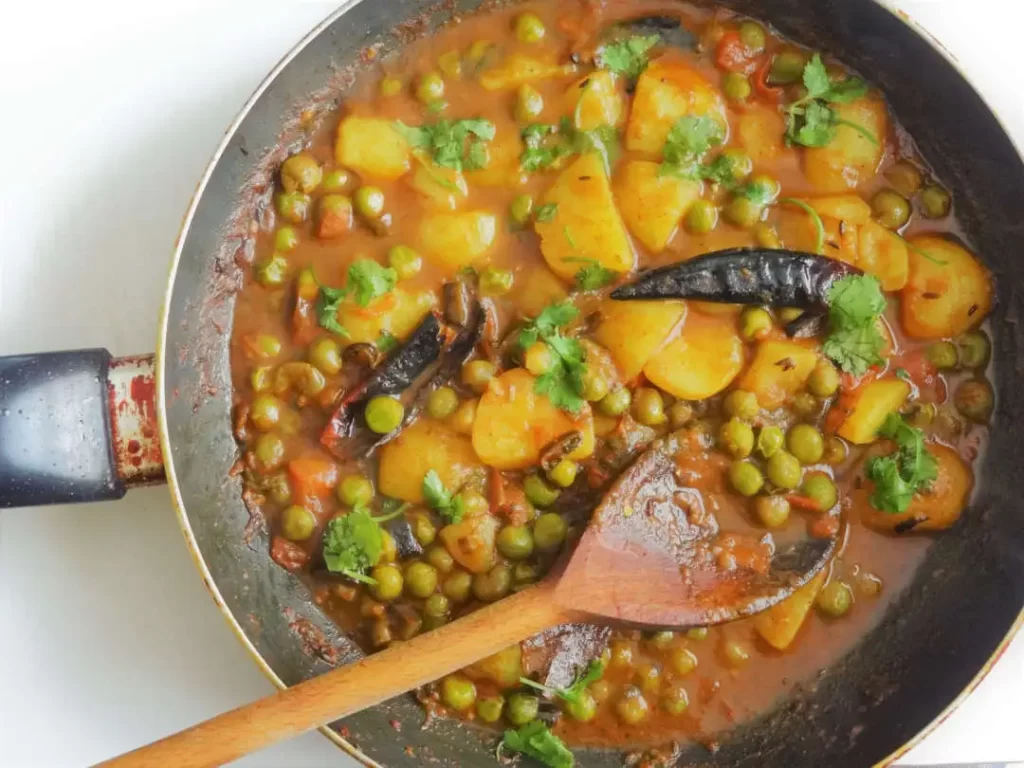
The soul of any good curry lies in the freshness of its ingredients. For Aloo Matar, you need only a handful of staples.
Core Ingredients:
- Potatoes (Aloo): Use firm, starchy varieties like russet or medium all-purpose potatoes. They hold shape well while soaking in flavors.
- Green Peas (Matar): Fresh peas are preferred during winter, but frozen peas also work beautifully. They bring a mild sweetness and soft bite to the curry.
- Onions: Medium red or yellow onions, finely chopped. They create the base of the gravy.
- Tomatoes: Ripe, juicy tomatoes for tang and natural thickness. Puree or finely chop them for a smoother curry.
- Green Chilies & Ginger-Garlic Paste: For heat and depth of flavor.
Spices:
- Cumin seeds (jeera) for tempering.
- Turmeric powder (haldi) for color and earthiness.
- Coriander powder (dhania) for warmth and fragrance.
- Red chili powder for heat.
- Garam masala for finishing aroma.
- Salt to balance flavors.
Optional Flavor Enhancers:
- Kasuri methi (dried fenugreek leaves): Adds a restaurant-style touch.
- Fresh coriander leaves: For garnishing.
- A pinch of sugar or jaggery: To balance tanginess of tomatoes.
Step 2: Prepping the Vegetables
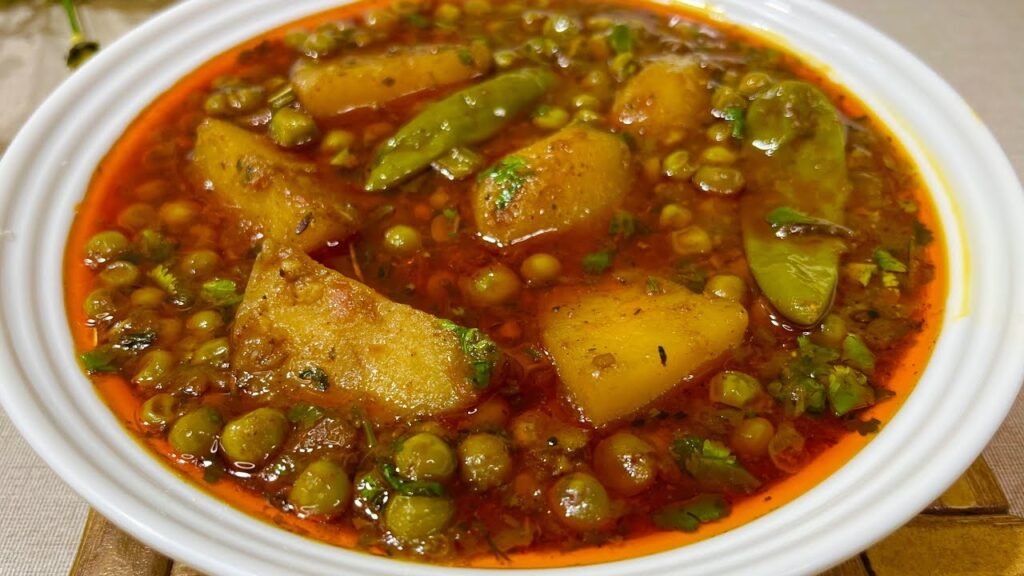
Proper preparation saves cooking time and ensures the right texture in the final dish.
- Potatoes: Peel and dice into medium-sized cubes (about 1-inch). If kept too large, they take longer to cook; if too small, they may turn mushy. Soak diced potatoes in water for 10 minutes to remove excess starch—this prevents them from sticking together.
- Green peas: If using frozen peas, rinse under tap water to refresh them. Fresh peas just need to be shelled and washed.
- Onions and tomatoes: Finely chop onions for a smoother gravy. For tomatoes, either puree them for a silky texture or chop them for a rustic consistency.
Step 3: Building the Curry Base
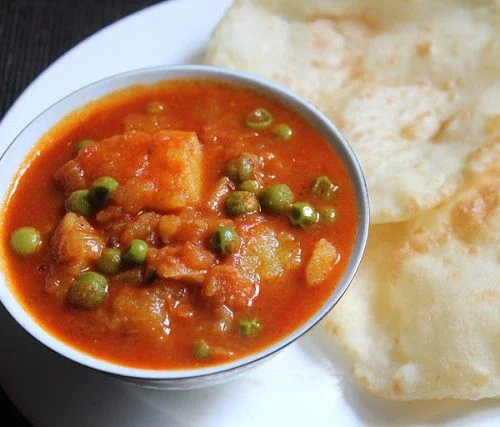
The curry base is what sets apart a bland dish from a flavorful one. The technique lies in bhunao (sautéing the onion-tomato-spice mixture until the raw flavors mellow out).
- Heat 2 tablespoons of oil in a heavy-bottomed pan or kadai.
- Add cumin seeds and let them crackle. This releases their nutty aroma.
- Add chopped onions and sauté until golden brown. This caramelization gives sweetness and depth.
- Stir in ginger-garlic paste and green chilies. Cook until the raw smell disappears.
- Add tomatoes (chopped or pureed). Cook until oil starts separating from the masala—this indicates that the gravy base is ready.
Spice Infusion:
Once tomatoes soften, add turmeric, coriander powder, and chili powder. Fry for a minute to enhance their aroma. This is a crucial step—adding spices directly to raw onions or tomatoes often leaves a harsh aftertaste.
Step 4: Cooking the Potatoes and Peas
Now comes the heart of the dish—adding aloo and matar to the masala.
- Add diced potatoes and coat them well in the onion-tomato masala. Fry for 3–4 minutes on medium flame. This step ensures potatoes absorb the spice flavors.
- Add a splash of water (about 1 to 1.5 cups depending on desired consistency). Cover and cook for 8–10 minutes until potatoes are half done.
- Add green peas and stir well. Peas cook quickly, so adding them later prevents overcooking.
- Simmer until potatoes are tender and peas are soft but not mushy.
Pro Tip: Adjust water to achieve your desired curry style: less water for a dry version to eat with roti, more water for a gravy-style curry to enjoy with rice.
Step 5: Seasoning and Finishing Touches

Once the vegetables are cooked, focus on balancing and enhancing flavors.
- Add salt and check seasoning.
- Sprinkle a pinch of garam masala for warmth and complexity.
- Crush kasuri methi between your palms and add for a restaurant-like aroma.
- For a brighter finish, squeeze in a few drops of lemon juice.
- If the curry feels too tangy, balance with a pinch of sugar or jaggery.
Let the curry rest covered for 2–3 minutes after turning off the heat—this allows flavors to meld beautifully.
Step 6: Garnishing, Serving, and Storage
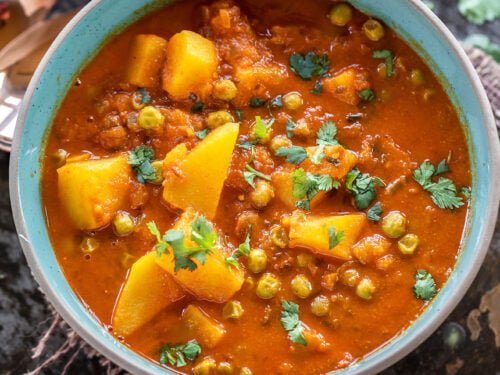
Presentation and pairing make a simple dish memorable.
Garnishing:
- Sprinkle fresh coriander leaves before serving.
- A drizzle of cream or ghee can make the curry richer, though optional.
Serving Suggestions:
- With Indian breads: Pair with roti, chapati, paratha, or naan for a wholesome meal.
- With rice: Serve alongside plain steamed rice or jeera rice for comfort food.
- As part of a thali: Aloo Matar complements dal, salad, pickle, and papad beautifully.
Storage Tips:
- Refrigerate leftovers in an airtight container. The curry keeps well for 2 days.
- Reheat gently with a splash of water to restore consistency.
- Avoid freezing, as potatoes may become grainy.
Common Mistakes to Avoid
- Undercooked potatoes: Always check by piercing with a fork. If still hard, simmer longer.
- Overcooked peas: Add peas later in the cooking process to retain their natural sweetness.
- Too watery curry: Add water gradually; it’s easier to adjust by adding more later.
- Skipping bhunao: Raw spices or undercooked onion-tomato masala lead to flat, raw flavors.
- Excess oil: Aloo Matar should be light and homely; avoid drowning it in oil.
Conclusion
Cooking Aloo Matar Curry in six simple steps—preparing fresh ingredients, making a flavorful base, cooking potatoes and peas correctly, balancing seasoning, and serving with thoughtful presentation—results in a dish that is both comforting and versatile.
This curry is more than just a recipe; it reflects the essence of home-cooked Indian food—resourceful, nourishing, and full of flavor. Whether you are a beginner experimenting in the kitchen or a seasoned cook looking for a reliable dish, Aloo Matar never disappoints.
By following these steps, you can enjoy a curry that’s delicious, wholesome, and easy enough to cook regularly. With every bite of soft potatoes, sweet peas, and tangy-spiced gravy, you’ll taste the harmony of simplicity and satisfaction that makes Aloo Matar a true classic.