
The rising awareness of lifestyle diseases such as obesity, hypertension, and cardiovascular disorders has led to a significant global shift toward healthy eating practices. One central area of focus is reducing the consumption of oil and fat in everyday cooking. Indian cuisine, traditionally rich in spices and flavors, offers multiple possibilities for adapting recipes to oil-free versions without compromising on taste or nutrition.
Among the many household staples, cabbage sabzi stands out as a humble yet versatile dish. Known for its quick preparation, affordability, and health benefits, cabbage sabzi is widely consumed across India. However, it is commonly prepared with oil or ghee, which adds unnecessary fat to an otherwise nutrient-dense vegetable. In this article, we provide a structured 6-step guide to making cabbage sabzi without oil, combining health consciousness with culinary satisfaction.
Nutritional Importance of Cabbage

Before exploring the preparation process, it is essential to understand why cabbage deserves a prominent place in a healthy diet.
- Rich in vitamins and minerals: Cabbage is an excellent source of Vitamin C, Vitamin K, folate, calcium, and potassium.
- High fiber content: It supports digestion and helps maintain bowel regularity.
- Low calorie, low fat: A perfect choice for weight management and detoxification.
- Antioxidant properties: Contains phytonutrients that may reduce inflammation and strengthen immunity.
- Suitable for diabetic diets: With a low glycemic index, cabbage helps regulate blood sugar levels.
These health benefits make cabbage an ideal candidate for oil-free cooking, where its natural texture and subtle flavor can shine when combined with the right spices.
Step-by-Step Guide to Making Oil-Free Cabbage Sabzi
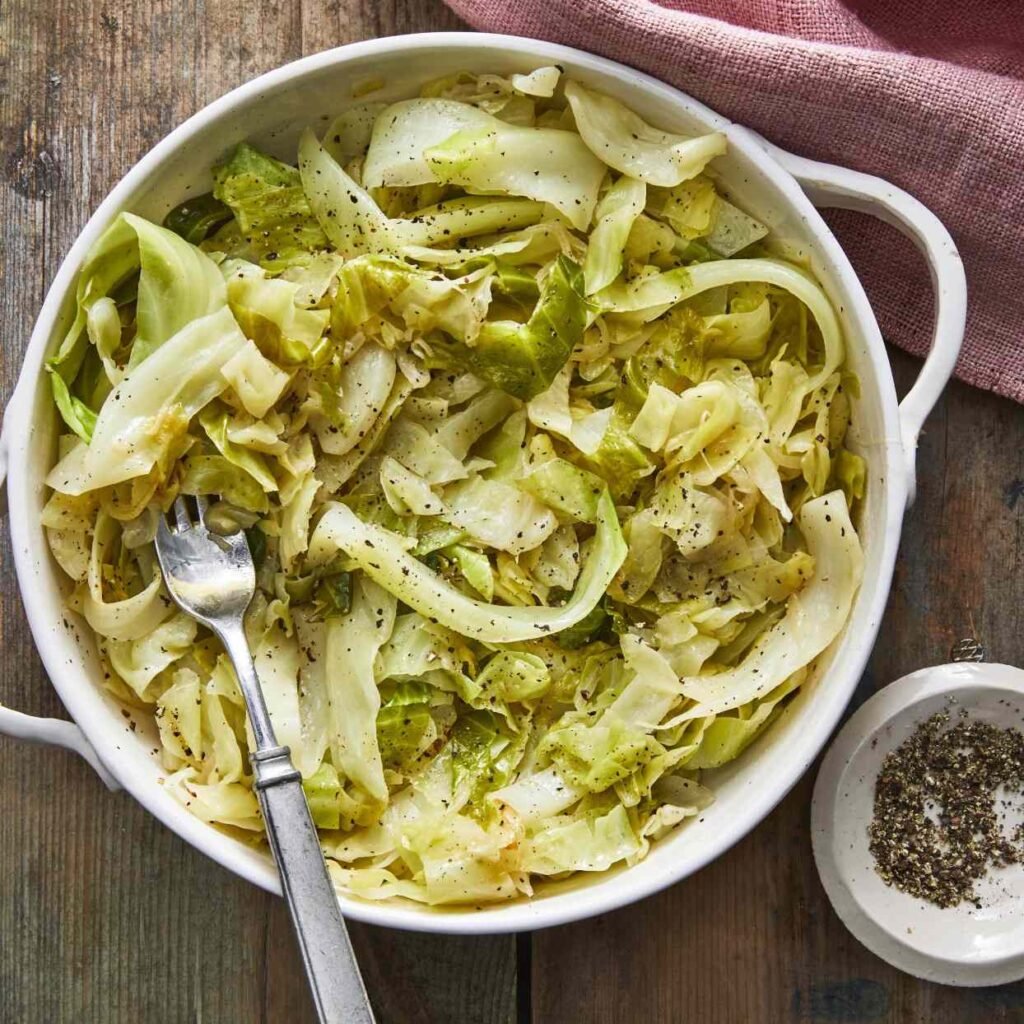
This recipe avoids oil entirely, relying on steaming, dry roasting, and natural vegetable moisture to achieve taste and consistency. It uses everyday Indian spices, all of which are plant-based, ensuring that the dish remains suitable for vegetarian and vegan diets.
Step 1: Gather the Ingredients
To prepare cabbage sabzi without oil, the following ingredients are required:
- Vegetables
- 3 cups finely shredded cabbage
- 1 medium onion (optional for those avoiding onion)
- 1 medium tomato, chopped
- 1–2 green chilies, slit or chopped
- 2 tablespoons green peas (optional, for variation)
- Spices
- ½ teaspoon mustard seeds
- ½ teaspoon cumin seeds
- ¼ teaspoon turmeric powder
- 1 teaspoon coriander powder
- ½ teaspoon red chili powder (adjust to taste)
- ½ teaspoon garam masala (optional, for enhanced flavor)
- Salt, as required
- Other
- Fresh coriander leaves, chopped (for garnish)
- ¼ cup water (or as needed for steaming)
Note: All spices mentioned are plant-derived and suitable for a pure vegetarian diet.
Step 2: Dry Roast the Spices
In traditional Indian cooking, spices are often tempered in oil to release aroma. In oil-free cooking, the same effect can be achieved by gently dry roasting.
- Heat a non-stick or heavy-bottomed pan.
- Add mustard seeds and cumin seeds. Roast until they begin to crackle.
- Ensure the flame is low to prevent burning.
This step activates the natural oils within the spices themselves, creating an aromatic base without added fat.
Step 3: Add Aromatics and Steam
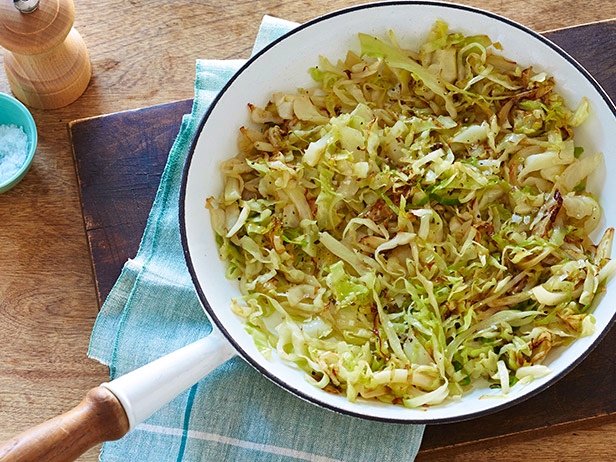
- To the roasted spices, add chopped onion (if using) and stir for 1–2 minutes with a splash of water.
- Next, add the green chilies and chopped tomato.
- Cover the pan briefly, allowing the tomato to soften and create a natural gravy-like base.
Using small quantities of water instead of oil prevents sticking while still ensuring the flavors blend together.
Step 4: Incorporate the Cabbage
- Add the shredded cabbage to the pan.
- Sprinkle turmeric powder, coriander powder, and salt over the cabbage.
- Mix thoroughly so the spices coat the vegetable evenly.
Cabbage releases water as it cooks. This natural moisture prevents the dish from drying out, eliminating the need for oil.
Step 5: Cook Gently and Add Variation
- Cover the pan and let the cabbage cook on low to medium heat for 8–10 minutes.
- Stir occasionally and, if required, sprinkle small amounts of water to avoid sticking.
- For variation, add green peas at this stage for color and protein enrichment.
The goal is to retain slight crunch in the cabbage, as overcooking can reduce both nutritional value and texture.
Step 6: Garnish and Serve
- Once the cabbage is tender yet crisp, add red chili powder and garam masala (if desired).
- Stir well and garnish with freshly chopped coriander leaves.
- Serve hot with whole wheat chapati, multigrain paratha, or steamed rice.
This completes the oil-free cabbage sabzi in six structured steps.
Advantages of Oil-Free Cabbage Sabzi
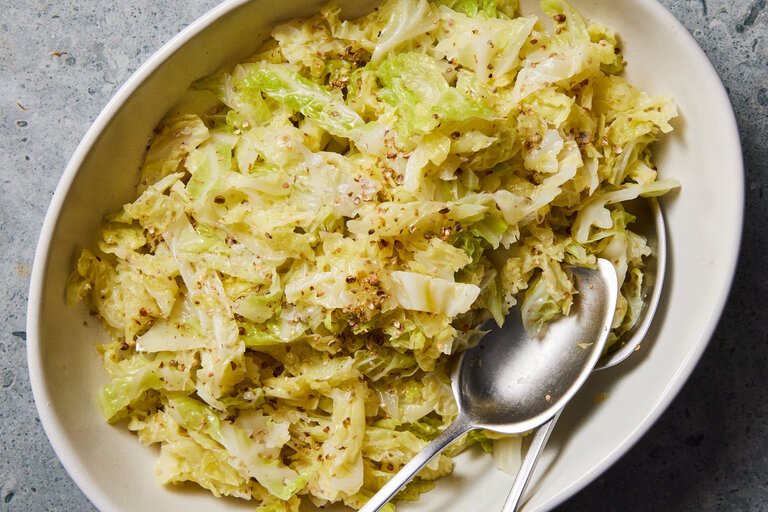
- Health Benefits:
Eliminating oil reduces calorie intake, lowers fat consumption, and makes the dish suitable for weight watchers and patients with heart or liver conditions. - Flavor Preservation:
Without the heaviness of oil, the natural sweetness of cabbage and the sharpness of spices stand out more distinctly. - Cultural Flexibility:
This preparation method can be easily adapted to different regional Indian cuisines by varying spice combinations—such as adding curry leaves for South Indian flavor or hing (asafoetida) for North Indian authenticity. - Eco-Friendly Cooking:
Cooking without oil requires fewer resources, reduces dependency on packaged oils, and aligns with sustainable eating practices.
Tips for Success in Oil-Free Cooking
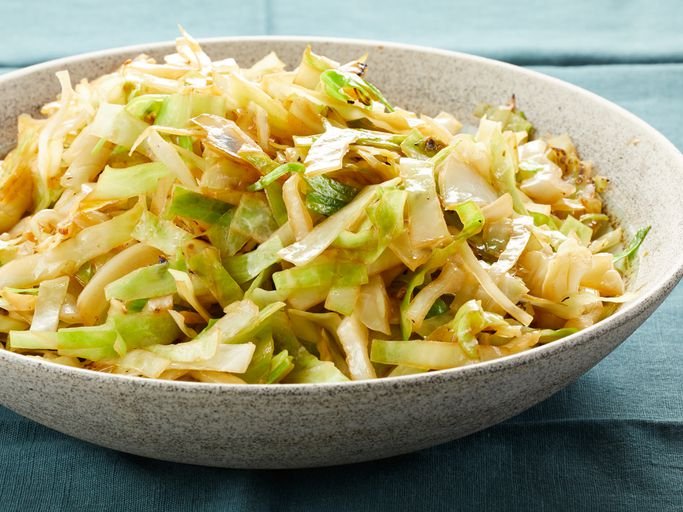
- Use a non-stick or heavy-bottomed pan to minimize sticking.
- Add water in small increments rather than all at once, ensuring even cooking.
- Avoid overcooking cabbage to retain crunch and nutritional value.
- Adjust spice levels according to personal preference and tolerance.
- Pair with protein-rich foods like lentils or legumes to create a balanced meal.
Conclusion
Cabbage sabzi without oil represents the perfect balance of health, taste, and tradition. By following this 6-step guide, one can prepare a dish that not only satisfies the palate but also contributes to overall wellness. Eliminating oil does not mean compromising flavor; instead, it opens avenues for rediscovering the authentic essence of vegetables and spices in Indian cooking.
In a time when dietary choices are closely linked with lifestyle diseases, adopting oil-free cooking practices is both a preventive measure and a step toward sustainable living. Cabbage, as a nutrient-rich vegetable, offers the ideal canvas for such experiments. This recipe, while simple, is a reminder that healthy food can remain delicious, affordable, and deeply rooted in culinary heritage.
By practicing small changes—such as preparing sabzi without oil—individuals can take meaningful steps toward a healthier lifestyle. This dish is not just a recipe but a model for mindful cooking, where health and flavor coexist harmoniously.