
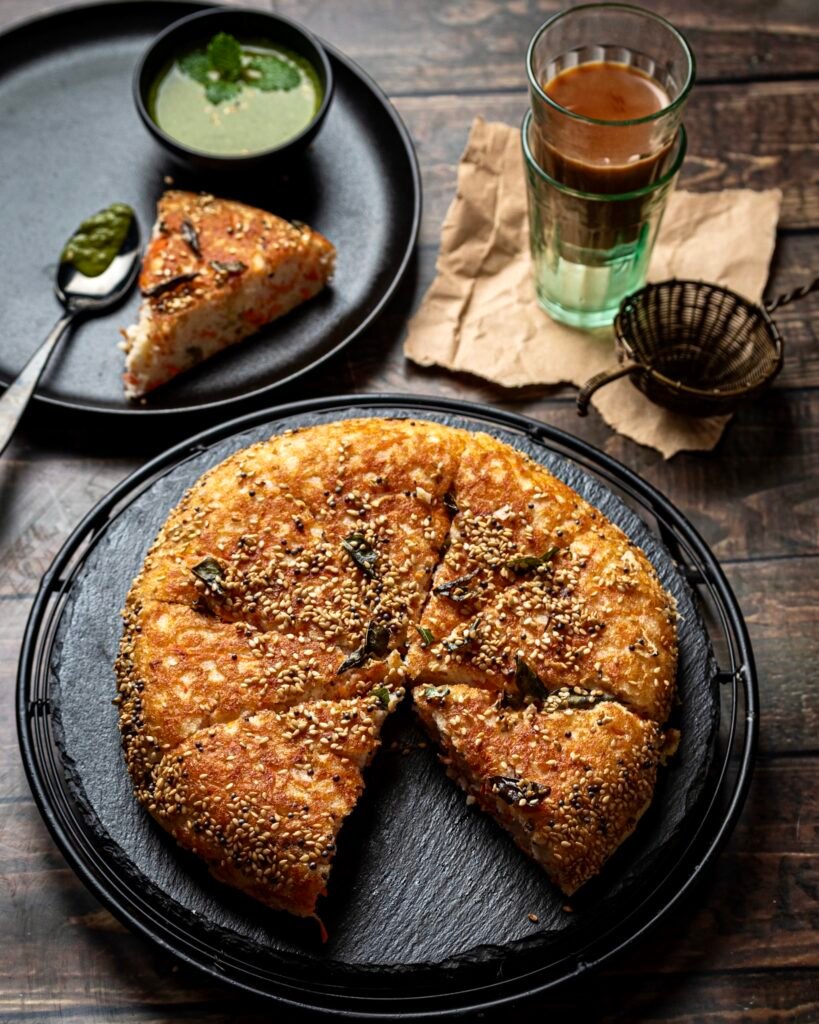
Vegetable Handvo is a traditional Gujarati savory cake made from lentils, rice, semolina, yogurt, and seasonal vegetables, tempered with aromatic spices and sesame seeds. Known for its balanced nutrition and crisp golden crust, Handvo has gained popularity as both a breakfast and evening snack. This article explores an uncomplicated, seven-step approach to preparing Vegetable Handvo without fuss, making it accessible to home cooks and researchers alike. It covers ingredients, step-by-step cooking methods, nutritional benefits, serving ideas, and possible variations, all while maintaining an exclusively vegetarian profile.
Introduction
Regional Indian cuisines are rich with heritage recipes that embody both nourishment and culture. Among them, Handvo occupies a special place in Gujarati households. Traditionally, Handvo was baked slowly over coal or wood fire, giving it a distinctive texture: crisp on the outside and soft, spongy inside. With modern kitchens, the recipe has adapted to gas stoves, ovens, and even non-stick pans.
Handvo is unique because it uses a batter fermented overnight with rice and lentils, though instant methods with semolina (rava) and yogurt are equally popular. The dish can be enriched with vegetables like bottle gourd, carrots, peas, or zucchini, making it nutrient-dense. Handvo exemplifies vegetarian innovation: a wholesome dish made without eggs or meat, yet offering protein, fiber, vitamins, and flavor.
The following section details seven easy steps for cooking Vegetable Handvo with minimal hassle.
Ingredients (For 4 Servings)
- Grains & Lentils
- Rice: 1 cup (short or medium grain)
- Chana dal (split Bengal gram): ½ cup
- Toor dal (pigeon peas): ¼ cup
- Moong dal (split yellow lentils): ¼ cup
(Note: For instant Handvo, replace the dal-rice mix with 1½ cups of semolina.)
- Vegetables
- Bottle gourd (lauki): 1 cup, grated
- Carrot: ½ cup, grated
- Green peas: ¼ cup
- Zucchini or cabbage (optional): ½ cup
- Binding & Fermentation
- Yogurt (curd): 1 cup
- Water: as needed
- Baking soda or Eno fruit salt: ½ teaspoon
- Seasonings
- Green chilies: 2, finely chopped
- Ginger: 1 tablespoon, grated
- Turmeric powder: ½ teaspoon
- Red chili powder: ½ teaspoon
- Coriander powder: 1 teaspoon
- Salt: to taste
- Fresh coriander leaves: 2 tablespoons, chopped
- Tempering
- Oil: 2 tablespoons
- Mustard seeds: 1 teaspoon
- Cumin seeds: 1 teaspoon
- Sesame seeds: 1 tablespoon
- Curry leaves: 8–10
Step 1: Preparing the Batter
For traditional Handvo, soak rice and lentils in water for 6–8 hours. Drain and grind into a slightly coarse batter with yogurt and enough water to achieve a thick pouring consistency. Cover and allow it to ferment overnight (8–10 hours).
If using the instant version, mix semolina with yogurt and let it rest for 30 minutes. Add water gradually to reach the same thick batter texture.
Step 2: Adding Vegetables & Seasonings
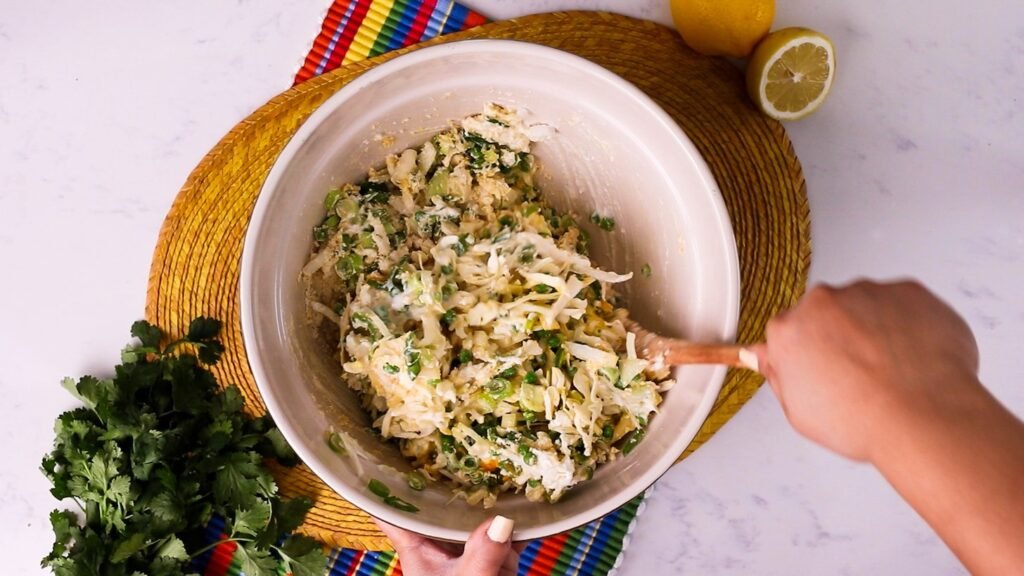
To the fermented (or rested) batter, add grated bottle gourd, carrots, peas, and optional zucchini or cabbage. Vegetables should be finely grated so they blend well. Add ginger, green chilies, turmeric, red chili powder, coriander powder, and salt. Mix thoroughly to evenly distribute flavors. Vegetables add moisture, nutrition, and subtle sweetness to balance the tang of yogurt.
Step 3: Adjusting Consistency & Leavening
Check the batter consistency—it should be neither runny nor too stiff. Add small amounts of water if it feels heavy. Just before cooking, stir in baking soda or Eno fruit salt. This creates lightness and helps the Handvo rise while cooking, ensuring a spongy interior.
Step 4: Preparing the Tempering
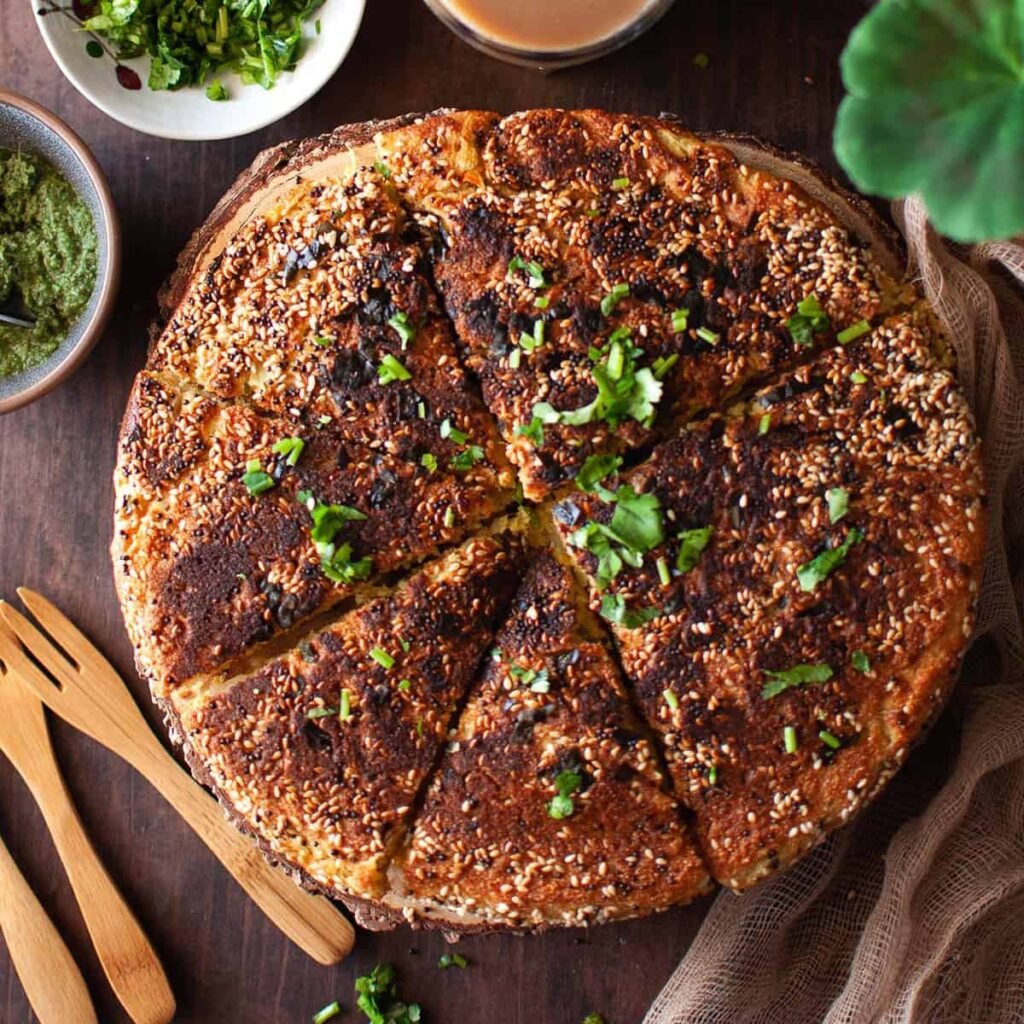
Heat oil in a pan, add mustard seeds, and allow them to crackle. Next, add cumin seeds, sesame seeds, and curry leaves. Sauté until fragrant. Tempering not only enhances taste but also creates the signature crunchy crust on the Handvo. Pour half of the tempering into the batter and mix; reserve the rest for topping during cooking.
Step 5: Cooking on Stovetop or Oven
- Stovetop Pan Method:
Heat 1–2 teaspoons oil in a heavy-bottomed non-stick pan. Pour the batter about 1½–2 inches thick. Sprinkle the reserved tempering on top. Cover with a lid and cook on low heat for 12–15 minutes until the base is golden and crisp. Flip carefully and cook the other side for 10–12 minutes. - Oven Method:
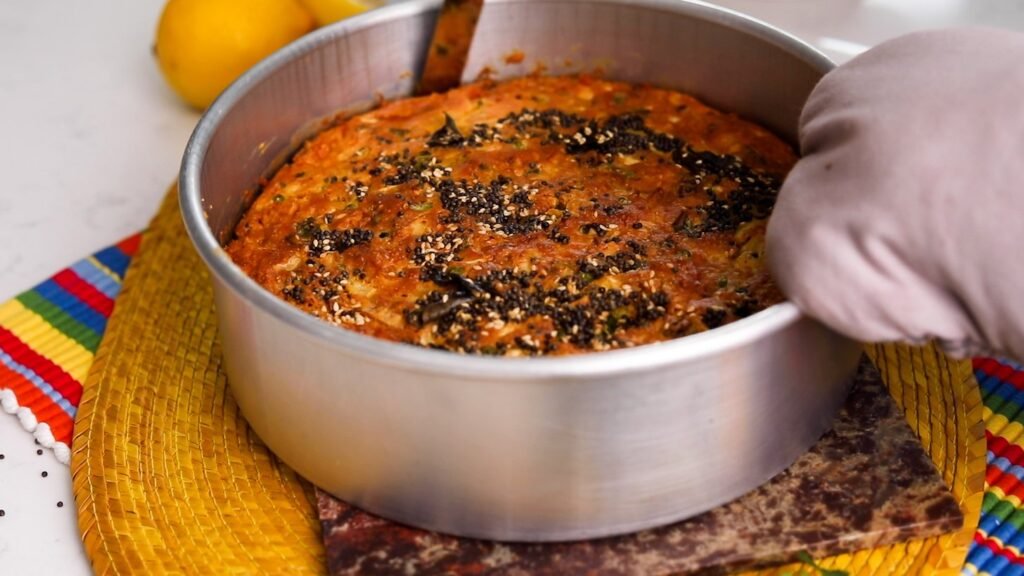
Preheat oven to 180°C (350°F). Grease a baking tin, pour in the batter, and drizzle reserved tempering on top. Bake for 35–40 minutes until the crust is golden brown. To check doneness, insert a toothpick—it should come out clean.
Both methods yield delicious results: the stovetop gives a rustic crust, while the oven offers convenience and even cooking.
Step 6: Resting & Demoulding
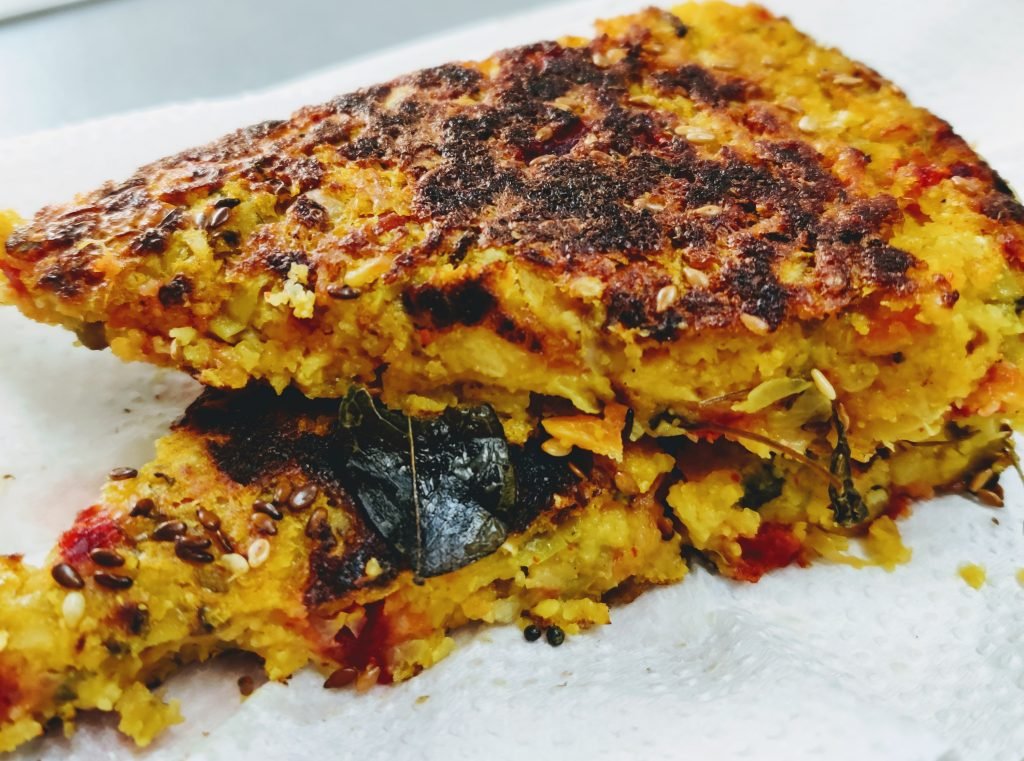
Once cooked, allow Handvo to rest for 5–10 minutes. This helps it firm up and makes slicing easier. Carefully demould from the pan or tin. Slice into squares or wedges, revealing a crisp exterior and fluffy interior speckled with colorful vegetables.
Step 7: Serving & Pairing
Serve warm Handvo with green chutney, tamarind chutney, or even plain yogurt. It also pairs well with masala tea for breakfast or evening snacks. For a wholesome meal, accompany it with a light salad. Handvo keeps well for a day at room temperature and can be reheated lightly on a tawa or in the oven.
Nutritional Benefits
- Protein: Lentils and yogurt provide high-quality plant-based protein.
- Fiber: Vegetables like bottle gourd and carrots aid digestion and provide satiety.
- Vitamins & Minerals: Rich in vitamin A, vitamin C, calcium, and iron.
- Balanced Meal: Carbohydrates from rice or semolina, protein from lentils, and micronutrients from vegetables make Handvo a complete one-dish meal.
Variations
- Greens Handvo: Add spinach or fenugreek leaves for a boost of iron.
- Mixed Grain Handvo: Replace part of rice with millet or quinoa for modern nutrition.
- Mini Handvo: Prepare batter in muffin trays for bite-sized servings, perfect for children or parties.
- Vegan Handvo: Substitute plant-based yogurt for dairy yogurt while keeping the recipe entirely plant-based.
Conclusion
Vegetable Handvo demonstrates the ingenuity of Gujarati vegetarian cuisine. By following these seven steps—preparing the batter, incorporating vegetables, adjusting consistency, tempering, cooking, resting, and serving—you can enjoy a dish that is nutritious, versatile, and fuss-free. With its crispy crust, moist crumb, and colorful vegetable inclusions, Handvo is more than a snack—it is a celebration of balance between taste and health.
In a time when fast, convenient, and healthy meals are increasingly valued, this simplified approach to Handvo ensures the dish remains accessible to every kitchen. Whether served as breakfast, lunchbox filler, or evening tea-time companion, Vegetable Handvo continues to represent tradition, nourishment, and modern adaptability—all without fuss.