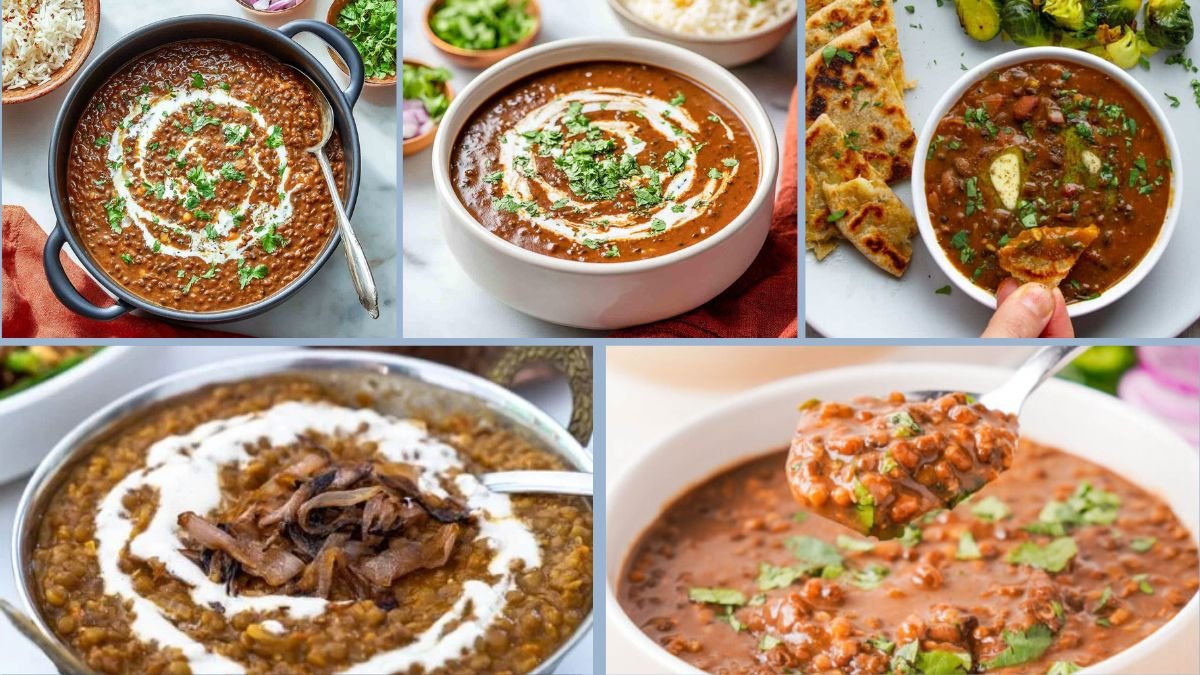
Dal Makhani, a slow-cooked dish of whole black lentils and red kidney beans, is a cornerstone of North Indian cuisine. Traditionally enriched with butter and cream, it symbolizes indulgence and comfort. However, health-conscious diners often seek lighter versions that preserve authenticity without relying on heavy cream. This article explores a six-step method to prepare a hearty, vegetarian Dal Makhani without cream, highlighting ingredients, cooking techniques, nutritional benefits, and variations for a wholesome, flavorful outcome.
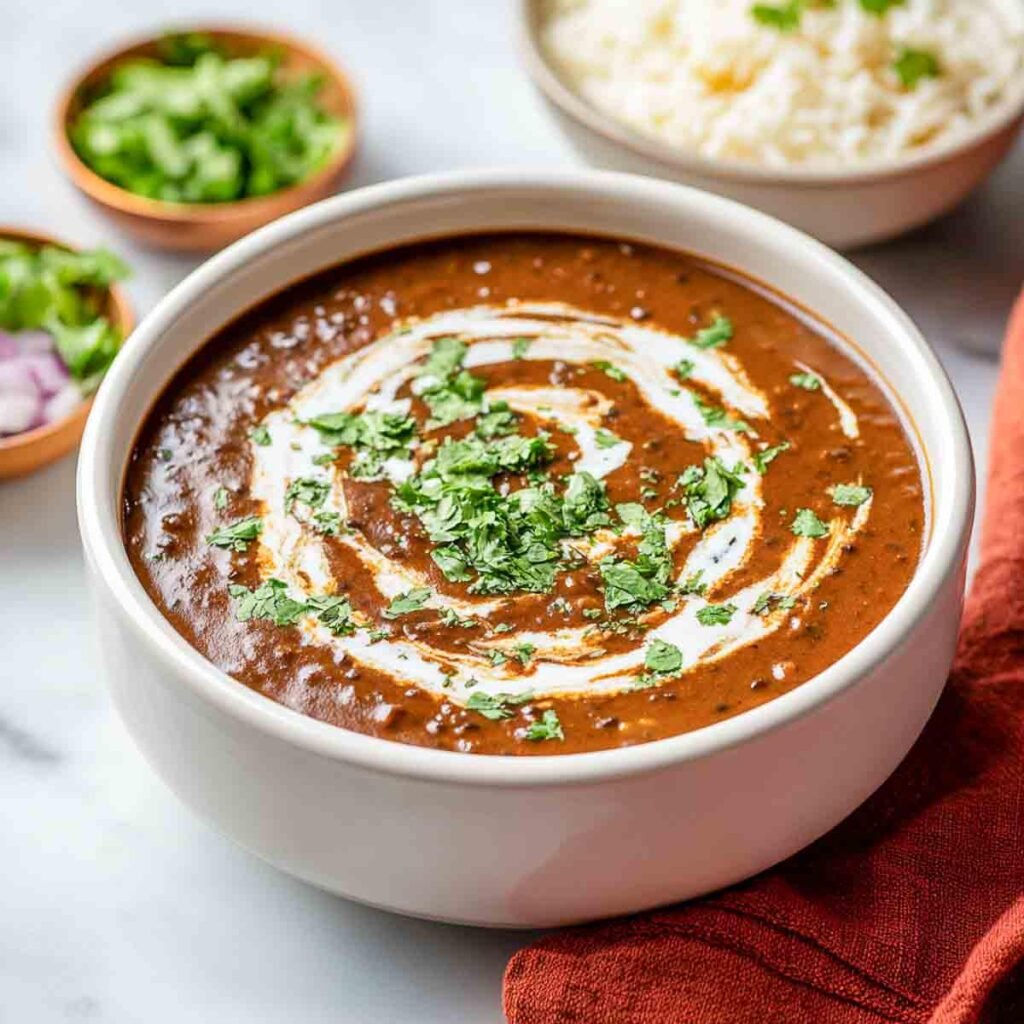
Introduction
Indian cuisine is renowned for its ability to blend nutrition with taste. Dal Makhani is a classic example—a dish originating in Punjab that has found its place in restaurants and homes globally. The word makhani means “buttery,” denoting richness. Conventionally, the recipe involves generous amounts of butter and cream to produce a velvety texture.
Yet, it is possible to recreate this richness without dairy cream. Through slow cooking, careful layering of spices, and smart substitutes such as cashew paste or simmered tomato-onion bases, the same creaminess can be achieved. This makes the dish lighter, healthier, and suitable for those aiming to reduce saturated fat while keeping the recipe fully vegetarian.
The following six steps guide you to prepare Dal Makhani that is hearty, nutritious, and satisfying, without fuss and without cream.
Ingredients (Serves 4–5)
- Legumes
- Whole black urad dal (black gram with skin): 1 cup
- Rajma (red kidney beans): ¼ cup
- Base
- Onion: 2 medium, finely chopped
- Tomatoes: 3 medium, pureed
- Ginger-garlic paste: 2 teaspoons
- Green chili: 1–2, slit
- Spices
- Cumin seeds: 1 teaspoon
- Bay leaf: 1
- Turmeric powder: ½ teaspoon
- Red chili powder: 1 teaspoon (adjust to taste)
- Coriander powder: 1 teaspoon
- Garam masala: ½ teaspoon
- Kasuri methi (dried fenugreek leaves): 1 teaspoon, crushed
- Other Essentials
- Cooking oil or ghee: 2 tablespoons
- Salt: to taste
- Fresh coriander leaves: handful, chopped
- Cashew paste (made from 8–10 soaked cashews, blended smooth): 3 tablespoons
- Water: 4–5 cups (as required for slow cooking)
Step 1: Soaking and Boiling the Lentils
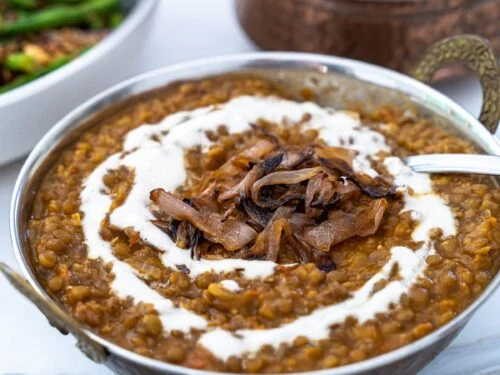
- Wash the black urad dal and rajma thoroughly.
- Soak them overnight or for at least 8 hours in sufficient water. This ensures even cooking and reduces cooking time.
- Drain, rinse, and pressure cook the soaked lentils with 3–4 cups water, a pinch of salt, and turmeric for 20–25 minutes (or 6–7 whistles). If using an instant pot, cook on high pressure for 25–30 minutes. The legumes should be soft enough to mash with the back of a spoon.
Step 2: Preparing the Masala Base
- Heat oil or ghee in a heavy-bottomed pan. Add cumin seeds and bay leaf; let them crackle.
- Add finely chopped onions and sauté until golden brown.
- Stir in ginger-garlic paste and cook until the raw aroma disappears.
- Add tomato puree and green chili. Cook until the mixture thickens, oil separates, and the raw flavor of tomatoes vanishes. This creates a rich foundation without cream.
Step 3: Spicing the Base
- Add turmeric, red chili powder, and coriander powder. Stir and roast for 1–2 minutes.
- This spice roasting, known as bhunao, deepens flavors and prevents rawness.
- Adjust salt at this stage, keeping in mind that dals absorb seasoning gradually.
Step 4: Combining Dal with Masala
- Add the cooked lentils and beans into the masala base. Mix thoroughly.
- Pour in 1–2 cups of fresh water, depending on desired consistency.
- Mash some lentils gently with a spoon while leaving most whole—this balance adds natural thickness and creaminess without dairy.
Step 5: Slow Cooking for Depth
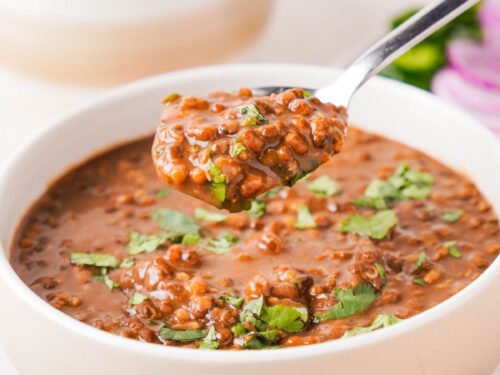
- Lower the heat, cover partially, and simmer for at least 30–40 minutes, stirring occasionally. Traditional Dal Makhani gains flavor from extended simmering, which blends the legumes and spices harmoniously.
- Add cashew paste midway to enrich the texture. This acts as a plant-based cream substitute, providing smoothness and body.
- Sprinkle kasuri methi toward the end for its distinctive aroma and restaurant-style finish.
Step 6: Garnishing and Serving
- Before serving, sprinkle garam masala and stir gently. Adjust seasoning if needed.
- Garnish with fresh coriander leaves for brightness.
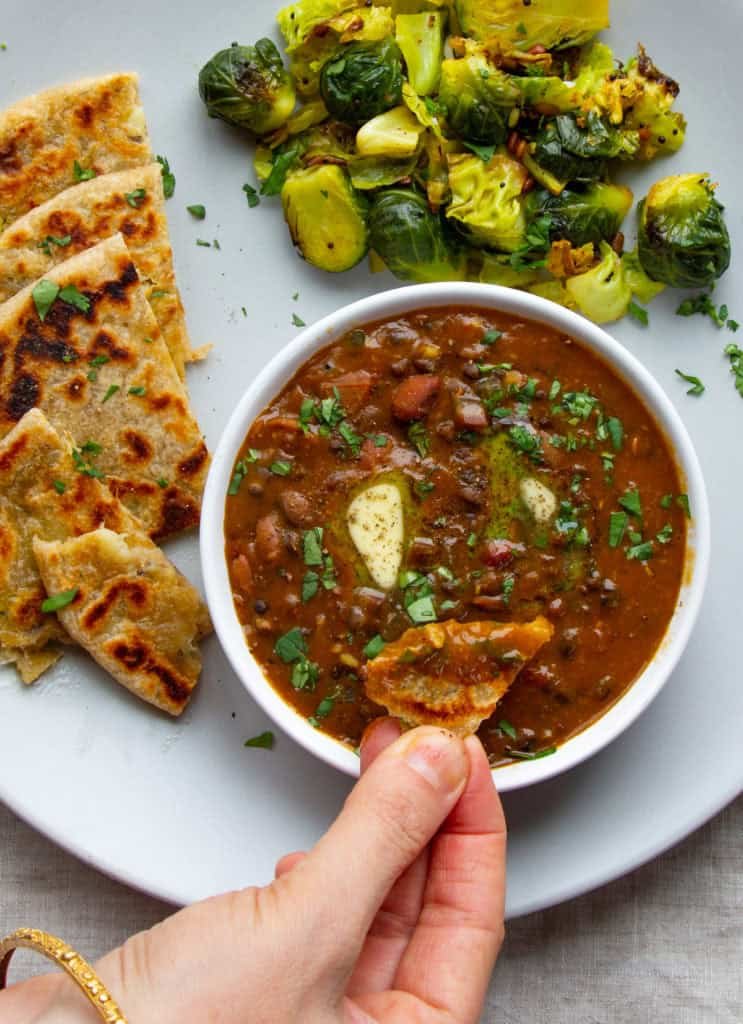
- Serve hot with naan, roti, paratha, or jeera rice. For a lighter option, pair with multigrain rotis or brown rice.
Nutritional Benefits
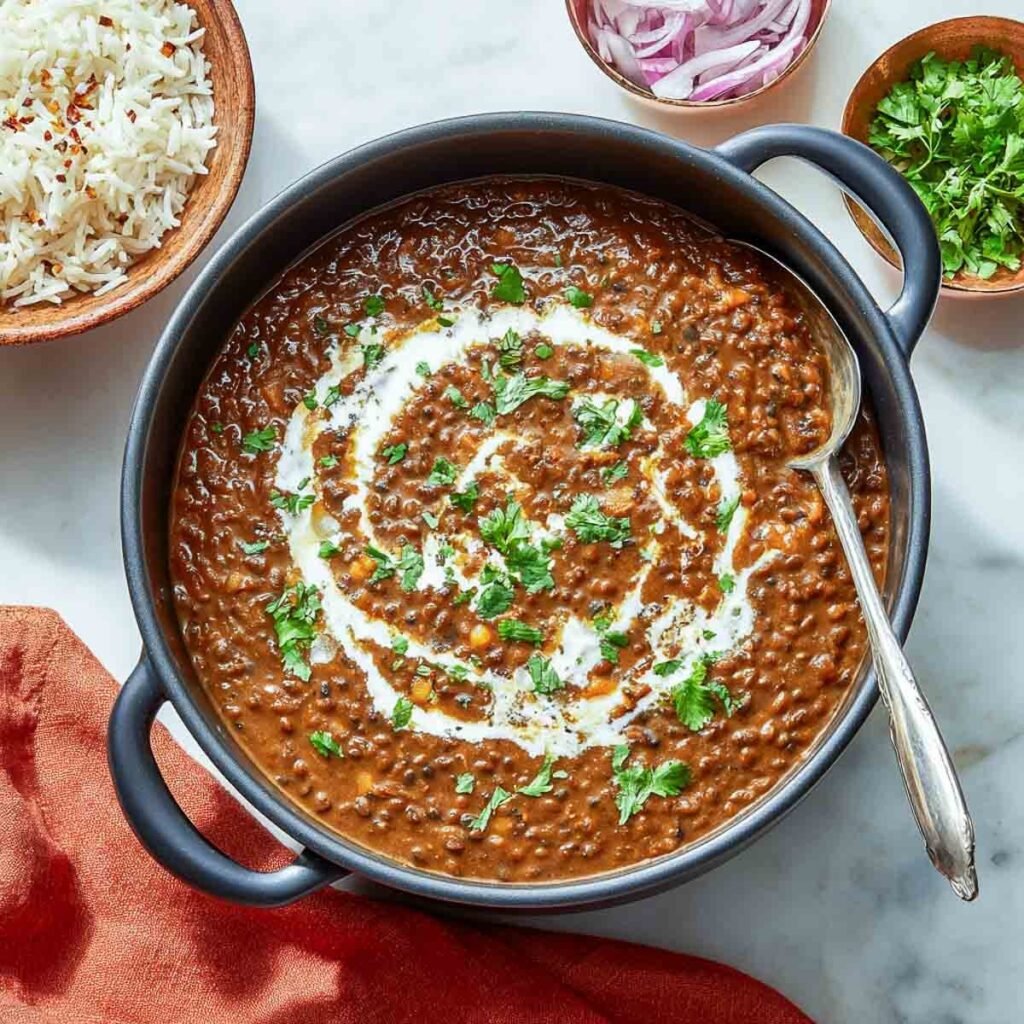
- Protein-Rich: Urad dal and rajma provide plant-based protein vital for muscle repair and energy.
- Fiber: High dietary fiber aids digestion and supports heart health.
- Low Fat: By eliminating cream and using minimal ghee, the dish remains rich in flavor but lighter in fat.
- Micronutrients: Lentils supply iron, magnesium, and folate, while tomatoes provide vitamin C and antioxidants.
Variations
- Vegan Dal Makhani: Use oil instead of ghee; recipe is already cream-free.
- No-Cashew Option: Substitute cashew paste with boiled, blended pumpkin or bottle gourd for similar texture.
- Spicy Twist: Add smoked paprika or extra green chilies for heat lovers.
- Restaurant-Style Aroma: Finish with a small piece of smoked charcoal in a covered bowl inside the dal for 5 minutes (dhungar method).
Conclusion
Dal Makhani epitomizes comfort food in Indian cuisine. While cream and butter have long been associated with its identity, this six-step recipe proves that the dish can remain hearty, flavorful, and authentic without them. Through soaking and boiling, creating a strong masala base, combining and slow cooking, enriching with cashew paste, and finishing with fresh garnish, one can achieve a wholesome dish that satisfies both tradition and health-conscious needs.
This cream-free Dal Makhani balances indulgence and wellness, making it ideal not only for family meals but also as a case study in modern vegetarian adaptations of traditional dishes. It retains the richness of heritage while aligning with contemporary dietary preferences.