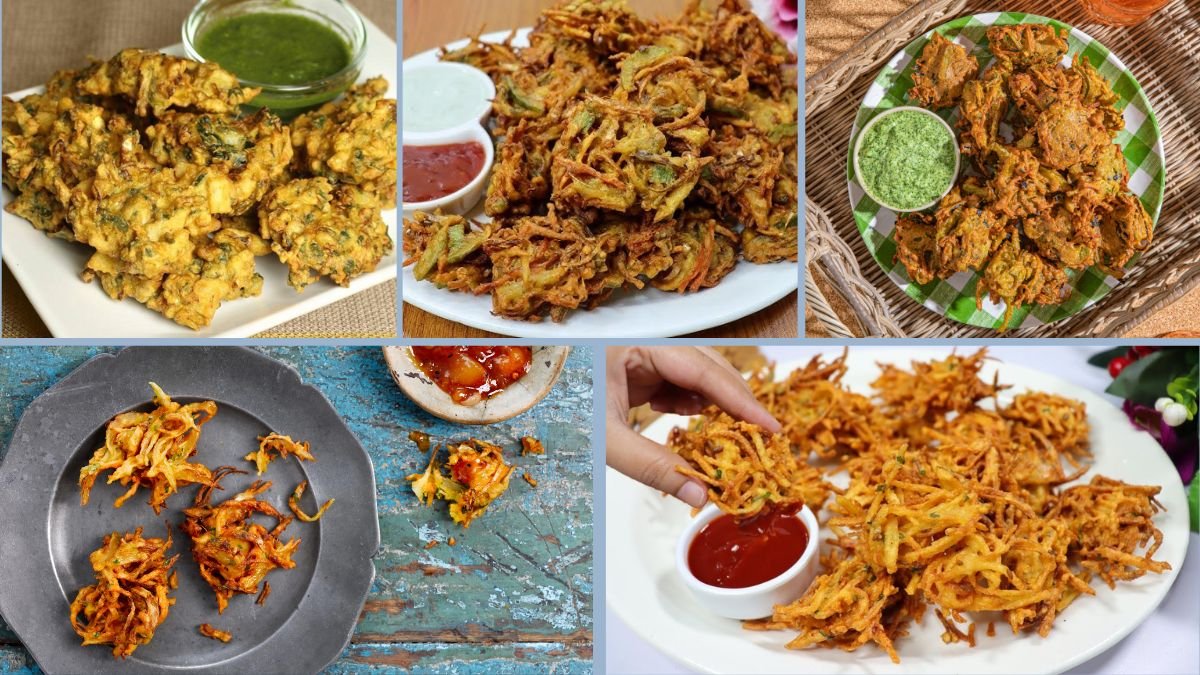
Pakoras — also known as bhajiyas or fritters — are one of India’s most beloved snacks. Traditionally deep-fried, these crispy delights are enjoyed with masala chai on rainy days, served at family gatherings, and celebrated across regional cuisines. However, as more people seek healthier alternatives, the question arises: Can you make pakoras without deep frying and still retain their flavor and crunch?
The answer is a resounding yes.
In this detailed guide, we explore a 6-step recipe to prepare delicious veg pakoras — without deep frying and without any non-vegetarian ingredients. Whether you’re following a health-conscious diet, managing cholesterol levels, or simply trying to cut down on oil consumption, this recipe is for you.
Why This Recipe Works (Without Deep Frying)
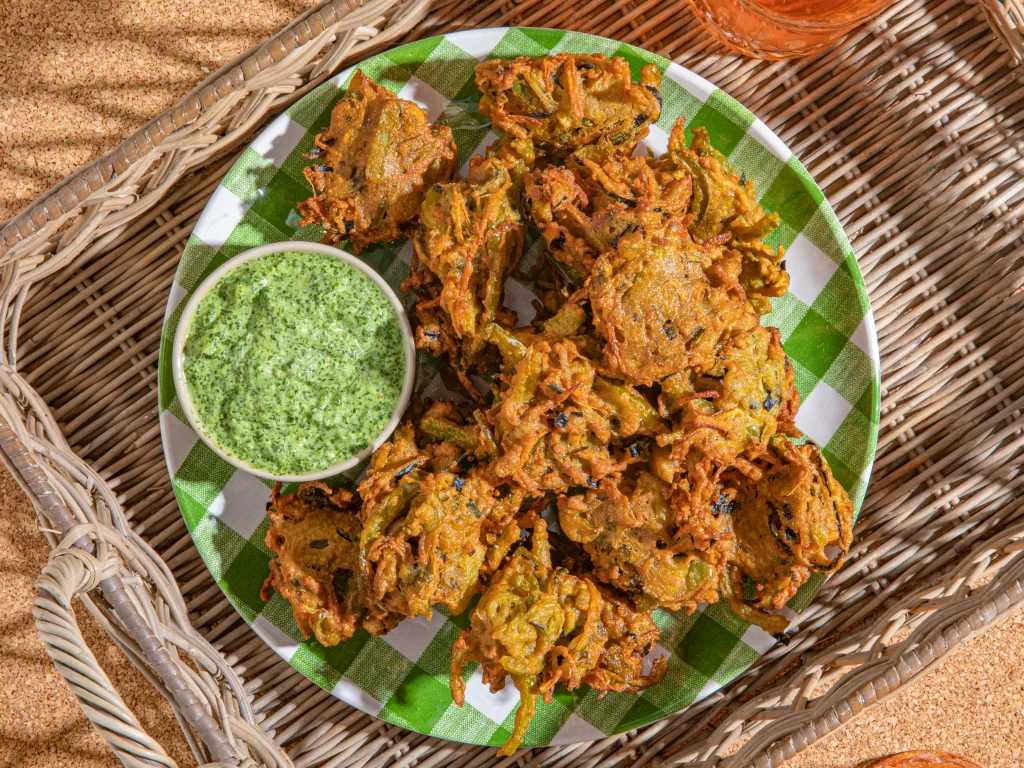
Deep frying gives pakoras their classic texture, but with a few smart techniques, you can achieve a similar result using healthier cooking methods like:
- Air frying
- Baking
- Shallow pan roasting
These methods use significantly less oil while still delivering a crispy exterior and soft, flavorful interior.
Step 1: Gather Fresh, Seasonal Vegetables
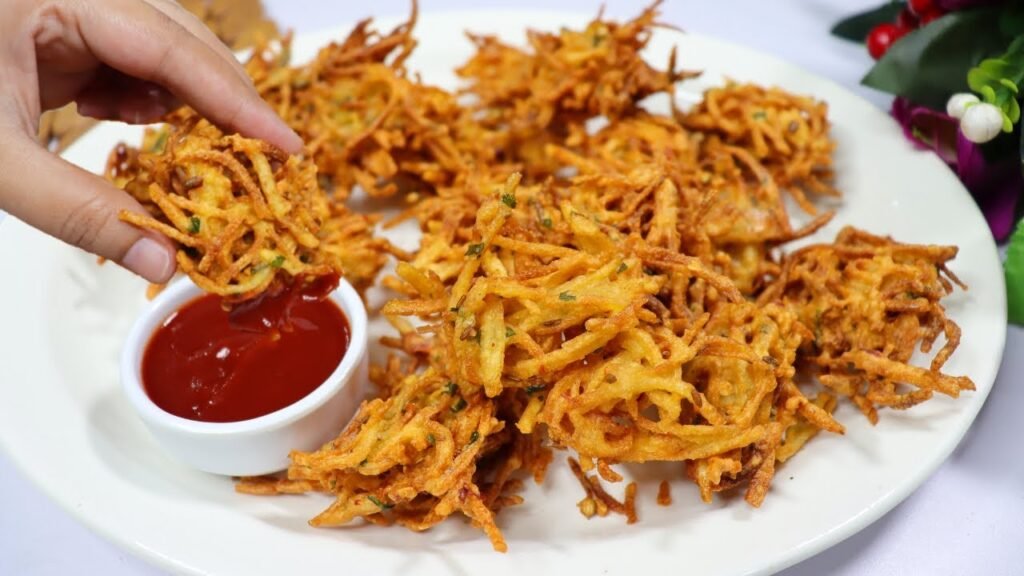
The first step is choosing the right vegetables. Pakoras are incredibly versatile and can be made with almost any vegetable. Choose those that have low water content and good texture after cooking.
Best Veggies for Pakoras:
- Onions – classic choice; lends sweetness and crunch
- Potatoes – thinly sliced for crispy edges
- Spinach or fenugreek leaves – adds nutrition and flavor
- Cabbage or cauliflower – shredded or grated
- Carrots and capsicum – for color and texture
- Zucchini or bottle gourd – grated and lightly squeezed to remove moisture
Quantity Tip: Use around 2–3 cups of mixed vegetables for 4 servings.
Step 2: Prepare the Pakora Batter
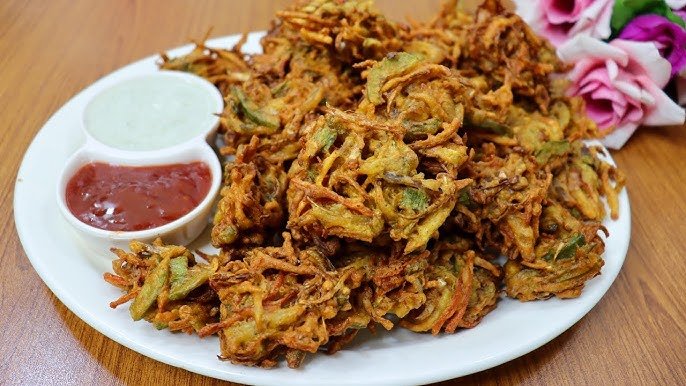
The batter is the glue that holds your pakoras together. It should be thick enough to coat the vegetables, yet light enough to allow even cooking without deep frying.
Ingredients for Batter:
- 1 cup besan (gram flour)
- 2 tablespoons rice flour (for crispiness)
- ½ teaspoon turmeric powder
- 1 teaspoon red chili powder
- 1 teaspoon ajwain (carom seeds) – aids digestion
- ½ teaspoon garam masala or chaat masala
- Salt to taste
- 1 teaspoon grated ginger
- 1–2 chopped green chilies (optional)
- A handful of chopped coriander leaves
- 2 tablespoons oil (for mixing, not frying)
- Water – as needed to form a thick batter
Mixing Instructions:
- In a large bowl, mix all the chopped vegetables.
- Add the dry ingredients.
- Drizzle in the oil and begin adding water a little at a time.
- The consistency should be thick enough to coat the veggies without dripping.
Pro Tip: Let the batter sit for 10–15 minutes to allow the flavors to blend and the vegetables to release natural moisture.
Step 3: Choose Your Healthy Cooking Method
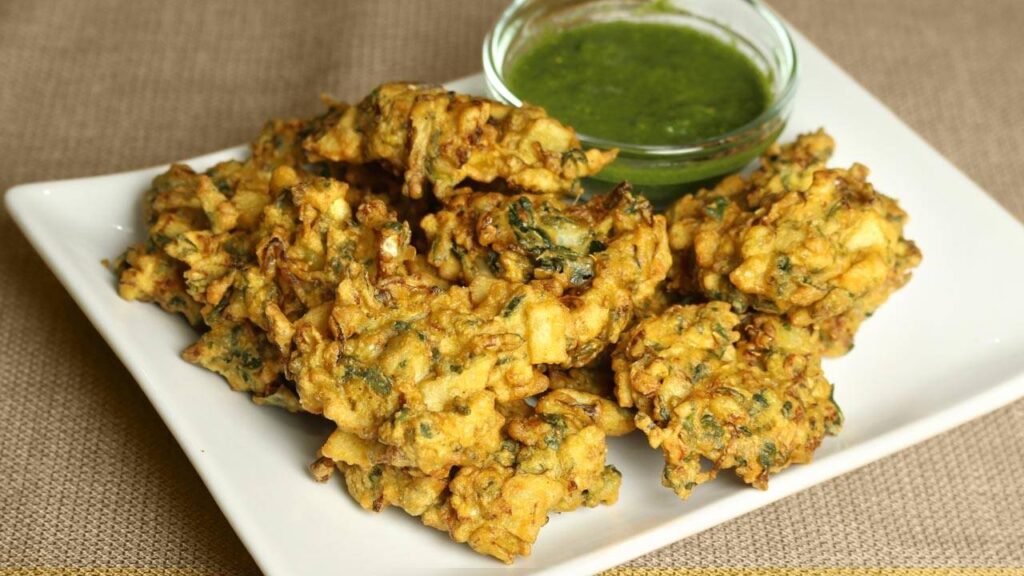
This is where we replace deep frying with a smarter cooking technique. You have three main options:
Option 1: Air Frying
- Preheat air fryer to 180°C (350°F).
- Grease the basket lightly or use parchment paper.
- Scoop small portions of the batter using a spoon and place them in the basket.
- Spray or brush the tops with a little oil.
- Air fry for 12–15 minutes, flipping once halfway through.
Option 2: Baking
- Preheat oven to 200°C (390°F).
- Line a baking tray with parchment paper or lightly grease it.
- Drop small batter portions spaced apart.
- Brush with a little oil.
- Bake for 20–25 minutes, flipping at the 12-minute mark.
Option 3: Shallow Pan Roasting (Tava Pakoras)
- Heat a flat non-stick pan or skillet.
- Add 1–2 tablespoons of oil and spoon small batter rounds onto the hot surface.
- Cook covered on low-medium flame for 3–4 minutes per side.
- Flip when golden brown and crisp.
Which Method is Best?
- Air frying gives the most consistent texture with the least oil.
- Baking is best for batch cooking.
- Tava method gives a slightly denser pakora, closest to shallow frying.
Step 4: Add Finishing Touches for Flavor and Texture
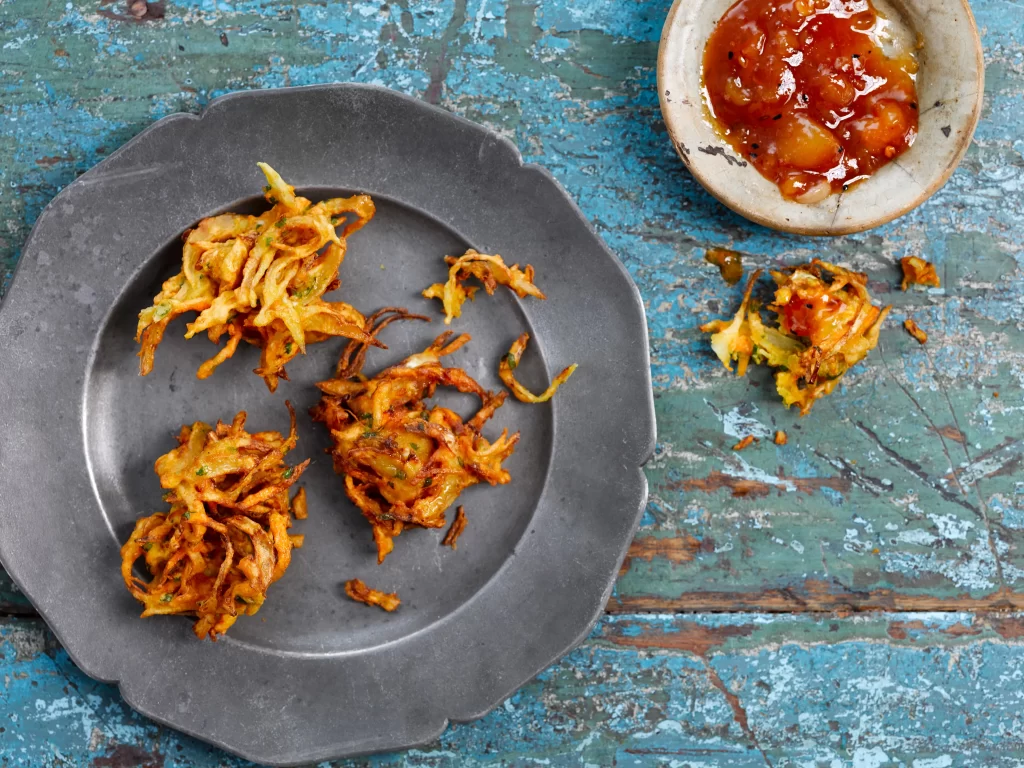
To boost flavor without fat, you can add spice toppings or natural flavor enhancers after cooking.
Ideas to Try:
- Sprinkle with chaat masala or black salt just before serving.
- Add a squeeze of fresh lemon for a tangy twist.
- Serve with fresh mint chutney or tamarind-date chutney.
- Garnish with thinly sliced onions or fresh coriander.
Texture Tip: To enhance crispness in baked or air-fried pakoras, leave them to rest on a wire rack for 5 minutes instead of a plate — this prevents sogginess.
Step 5: Serve Smart – Pairings and Presentation
These healthier pakoras are delicious enough to be served on their own, but thoughtful pairings turn them into a well-rounded snack or light meal.
Serving Suggestions:
- Masala Chai + Pakora Platter: Perfect for evening snacks or hosting guests.
- Healthy Pakora Wrap: Serve inside a whole wheat wrap with chutney, lettuce, and lemon juice.
- Pakora Chaat: Break pakoras into a bowl, add yogurt, chutneys, onions, and sev for a flavorful twist.
You can even pack them for lunchboxes as they retain texture better than deep-fried versions once cooled.
Step 6: Store and Reheat (Bonus Step)
If you have leftovers or want to prepare pakoras in advance:
Storing:
- Let them cool completely.
- Store in an airtight container in the fridge for up to 2 days.
Reheating:
- Reheat in an air fryer or oven at 180°C for 5–7 minutes.
- Avoid microwaving — it makes them soft and rubbery.
You can also prepare the batter in advance and store it in the fridge for up to 24 hours.
Why Choose Oil-Free or Low-Oil Pakoras?
Reducing oil in your cooking doesn’t mean reducing taste. In fact, these pakoras offer several advantages:
Health Benefits:
- Lower in calories and fat compared to deep-fried versions.
- Easier to digest, especially for those with acidity or cholesterol issues.
- Ideal for diabetics or those following a low-fat diet.
- Still high in fiber, protein, and nutrients, thanks to chickpea flour and veggies.
Sustainability Bonus:
Less oil also means less waste and easier cleanup — no greasy dishes or leftover frying oil to deal with.
Conclusion: A Crispy Twist on a Classic Favorite
Pakoras have been a part of Indian food culture for generations — but with rising awareness of health and nutrition, it’s important to adapt traditional recipes to fit modern lifestyles. This 6-step recipe proves that you don’t need deep frying or non-vegetarian ingredients to make crispy, delicious, and satisfying pakoras.
Using fresh vegetables, a perfectly spiced batter, and smart cooking methods like air frying or baking, you can enjoy this classic snack guilt-free — any day of the week.
So next time you crave pakoras with your evening chai, ditch the frying pan and give this wholesome recipe a try. Your taste buds and your body will thank you.