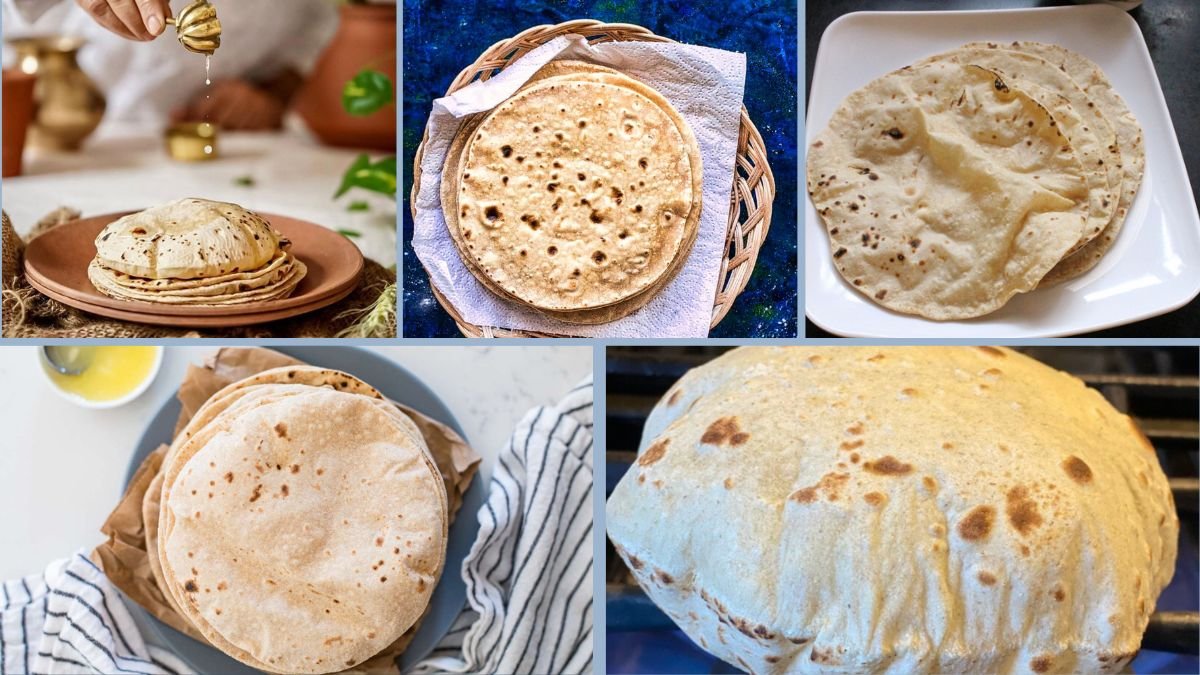
In Indian households, phulkas — also known as roti or chapati — are more than just a staple food. They are a symbol of nourishment, simplicity, and tradition. These soft, puffed whole wheat flatbreads are light, oil-free, and a perfect accompaniment to a wide variety of vegetarian dishes. Best of all, phulkas are inherently plant-based, making them ideal for healthy, everyday meals.
This guide presents a 5-step process to prepare soft, fluffy phulkas that are both wholesome and delicious. No oil, no butter, no animal products — just pure, nutritious food made from scratch. With detailed explanations of each step, this article serves as a practical and informative thesis on healthy Indian cooking techniques centered around one of its most essential components.
Why Phulkas Are a Healthy Choice
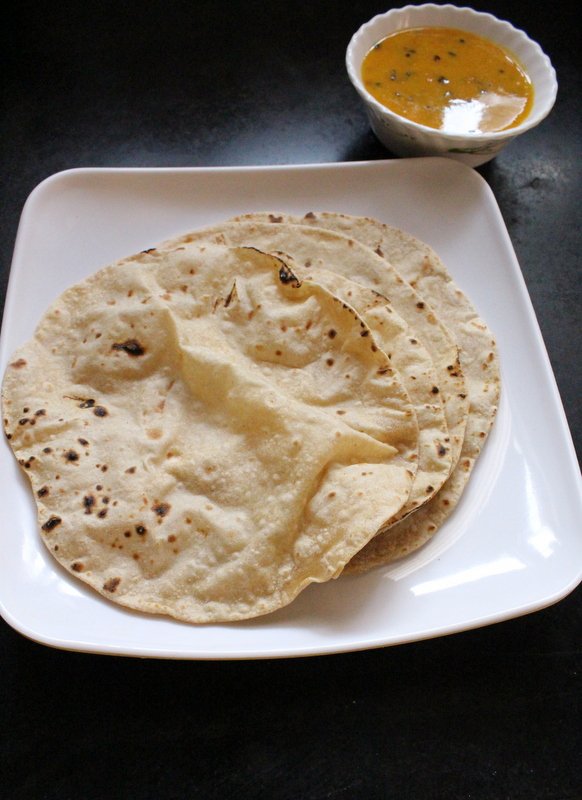
Before diving into the method, it’s important to understand why phulkas are a nutritious and balanced option for regular consumption.
Nutritional Benefits:
- Whole wheat flour (atta) is high in dietary fiber, complex carbohydrates, and essential minerals like iron and magnesium.
- No oil or ghee is required for cooking — making them heart-friendly.
- Easy to digest, low in fat, and naturally vegan.
- Keeps you full longer and supports balanced blood sugar levels.
Phulkas are especially recommended in weight-loss diets, diabetic meal plans, and for people seeking plant-based alternatives to processed breads.
Step 1: Choose the Right Flour and Measure Ingredients Accurately
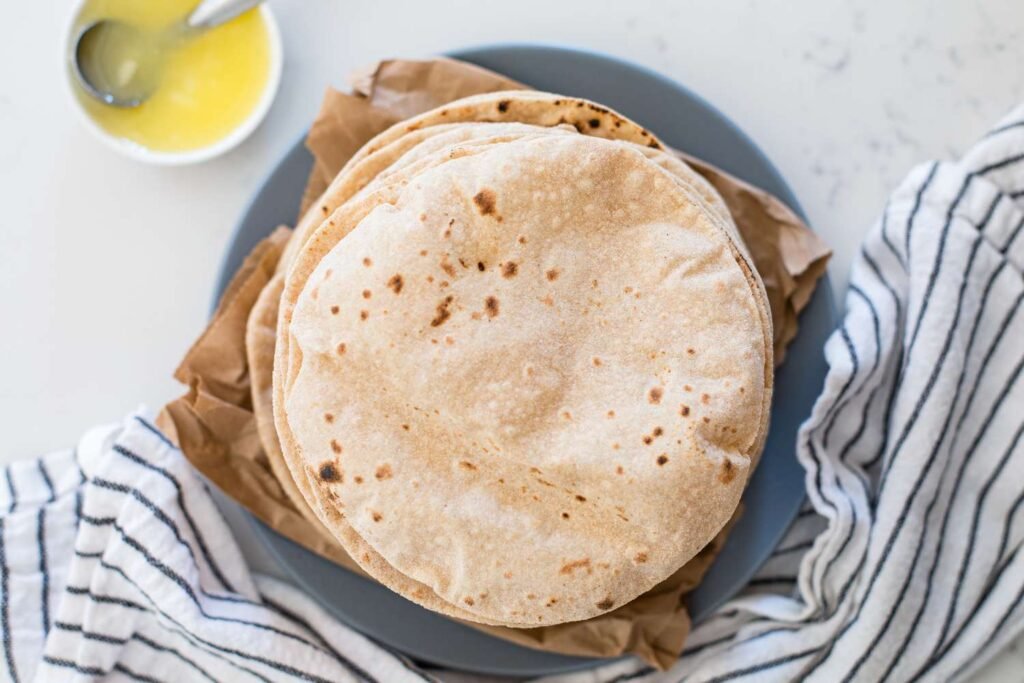
The most important step in achieving soft phulkas is selecting high-quality flour.
Ingredients:
- 2 cups whole wheat flour (preferably fine-milled, soft texture)
- ½ teaspoon salt (optional)
- ¾ cup warm water (adjust as needed)
- 1–2 tablespoons dry flour for rolling
Flour Selection Tips:
- Look for chakki atta (stone-ground flour), which retains more bran and fiber.
- Choose a brand that feels soft and fine when rubbed between fingers.
- Avoid all-purpose flour or mixed grain atta if your goal is soft, puffed phulkas.
Proper hydration of flour is key — too little water leads to stiff dough; too much water results in sticky, unmanageable dough.
Step 2: Knead a Soft, Supple Dough (The Foundation of Soft Phulkas)
Dough quality determines how soft and puffed your phulkas will be. Kneading activates the gluten in the flour, giving the dough elasticity.
How to Knead:
- Place the whole wheat flour in a wide mixing bowl.
- Gradually add warm water in small amounts while mixing the flour.
- Knead the mixture with your hand or use a dough hook if using a stand mixer.
- The dough should be smooth, soft, and pliable, not sticky or hard.
- Once kneaded, cover the dough with a damp cloth and let it rest for 20–30 minutes.
Pro Tips:
- Add a few drops of oil to your palms during final kneading (optional — for ease, not taste).
- Resting is essential — it allows gluten to relax, making rolling easier and puffing more effective.
Step 3: Roll Evenly and Gently for Consistent Puffing
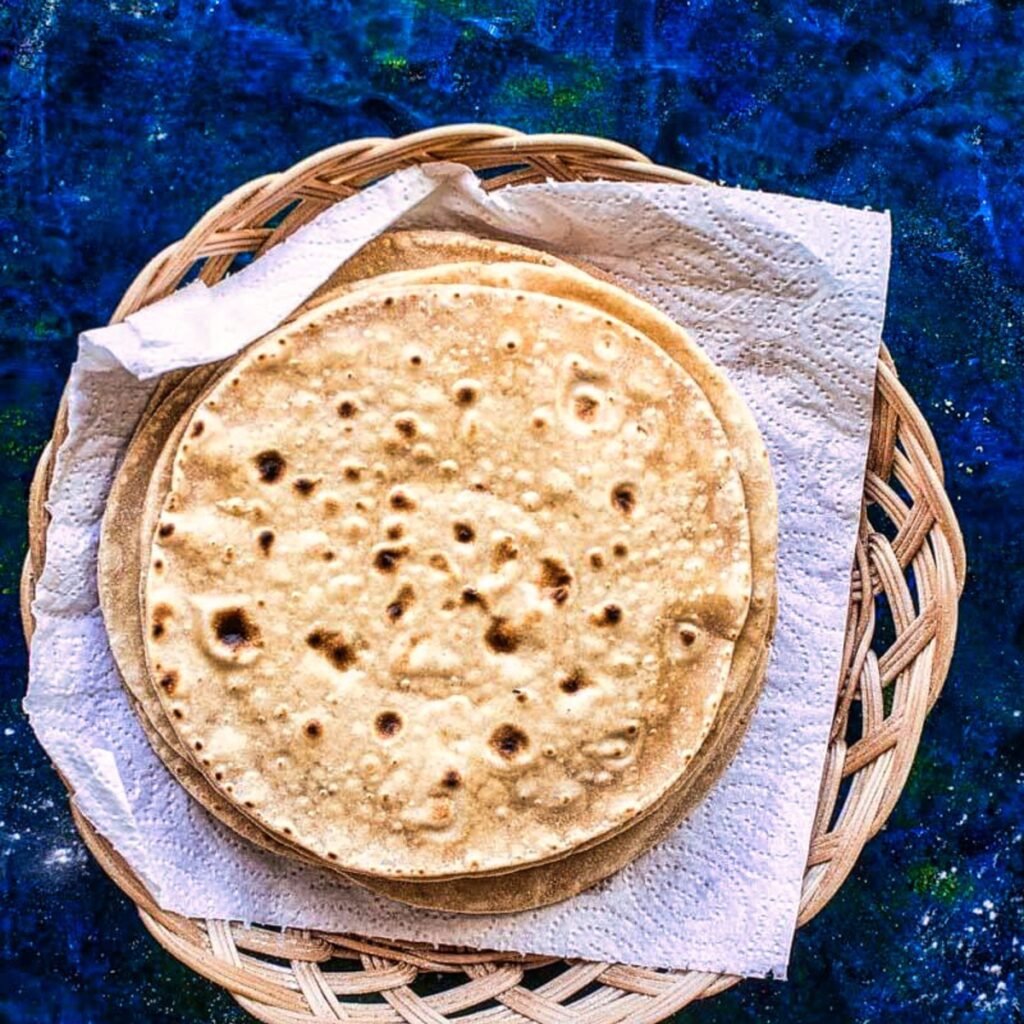
Rolling phulkas evenly is crucial. Uneven thickness leads to uneven cooking and prevents puffing.
Rolling Instructions:
- Divide the rested dough into equal-sized balls (about the size of a lemon).
- Lightly dust the rolling surface and pin with dry flour.
- Roll the ball into a thin, round disc, approximately 6–7 inches in diameter.
- Keep the thickness even — not too thick or too thin.
Tips for Success:
- Avoid using too much dry flour — it can make phulkas dry and hard.
- If cracks appear while rolling, your dough may be too dry — knead again with a few drops of water.
Step 4: Cook on Tava with Correct Heat Control
Cooking technique plays a vital role in making phulkas soft and ensuring they puff.
Cooking Process:
- Heat a tava (flat skillet) over medium-high heat until hot.
- Place the rolled dough on the tava.
- Cook for 15–20 seconds until bubbles appear on the underside.
- Flip and cook the second side for 20–25 seconds, pressing gently with a spatula or clean cloth.
- Flip again and press gently around the edges to encourage puffing.
Important Notes:
- The tava should be evenly heated — not too hot (burns phulka) or too cold (makes it dry).
- Once puffed, remove immediately to avoid drying out.
- Do not use oil or ghee while cooking — this is what makes it a true phulka and keeps it low-fat.
Troubleshooting:
- No puffing? Dough may be too dry, or the heat too low.
- Tears during puffing? Could be due to uneven rolling or under-kneading.
Step 5: Store and Serve the Right Way
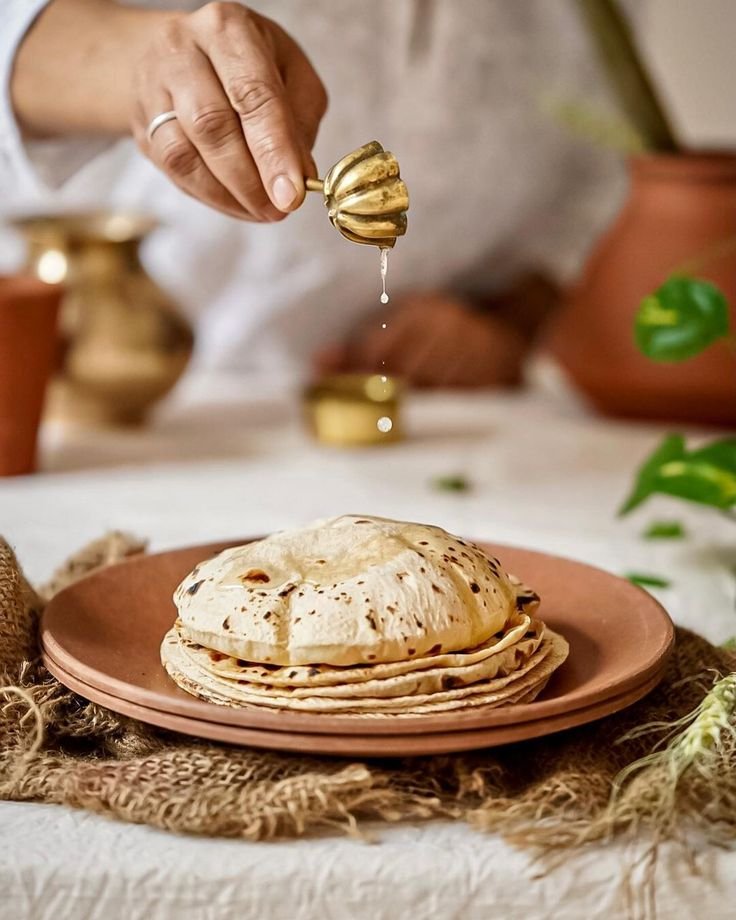
Even perfectly cooked phulkas can become hard if not stored properly. Proper storage retains their softness and moisture.
How to Store:
- Immediately after cooking, place the phulkas in a container lined with a clean cotton cloth.
- Stack phulkas and cover with the cloth, then seal with a lid.
- This traps steam and keeps them soft for longer.
Serving Suggestions:
- Serve with healthy vegetarian dishes such as:
- Dal Tadka or Moong Dal
- Chana Masala
- Baingan Bharta
- Bhindi (Okra) Sabzi
- Palak Paneer (or tofu for vegan option)
- Add a simple salad and lemon wedge for a balanced plate.
Phulkas also make great wraps for dry sabzis, sprouts, or even hummus and veggies for fusion meals.
Bonus Tips: Make-Ahead and Reheating
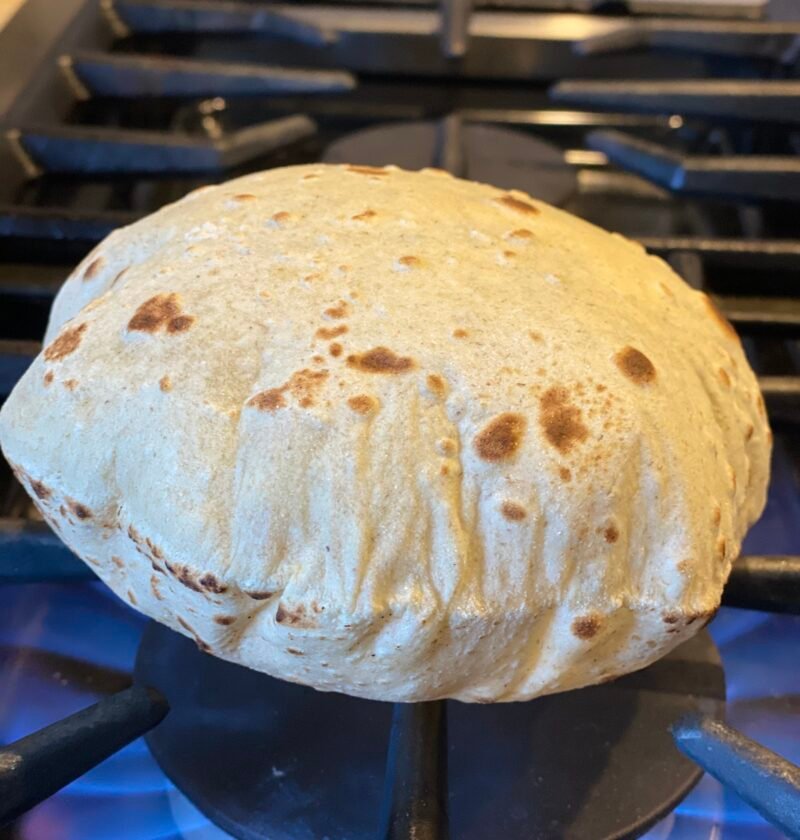
Phulkas are best enjoyed fresh, but if needed, they can be made ahead.
Storage:
- Store in an airtight container lined with a soft cloth.
- Keep in the refrigerator for up to 24 hours.
Reheating:
- Reheat on a hot tava for 10–15 seconds per side, pressing gently to restore softness.
- Do not microwave uncovered — they may dry out.
Health Benefits of Oil-Free, Soft Phulkas
Soft phulkas made without oil or ghee offer several health benefits:
1. Weight Management:
- Low in fat and high in fiber, phulkas support satiety without excess calories.
2. Heart Health:
- No saturated fats from oils or butter, which helps reduce cholesterol levels.
3. Diabetic Friendly:
- Made with whole wheat, which has a low glycemic index compared to refined flours.
4. Easy Digestion:
- Soft texture and simple ingredients make phulkas easy on the digestive system.
5. Ideal for All Ages:
- Suitable for kids, adults, and seniors — light, nourishing, and easy to chew.
Conclusion: A Timeless, Healthy Staple
In the world of fad diets and processed alternatives, soft, homemade phulkas stand as a beacon of simplicity and nutrition. They are an example of how traditional food, when prepared mindfully, can align beautifully with modern health goals.
This 5-step method — from choosing quality ingredients, kneading the perfect dough, rolling with care, cooking with precision, and storing properly — ensures your phulkas are always soft, puffed, and healthy.
Whether you’re cooking for family, preparing meals for yourself, or writing a thesis on clean and sustainable eating habits, mastering the humble phulka is a culinary skill worth learning. It’s an everyday dish with extraordinary benefits — the kind that connects us to our roots, nourishes our bodies, and complements any healthy lifestyle.