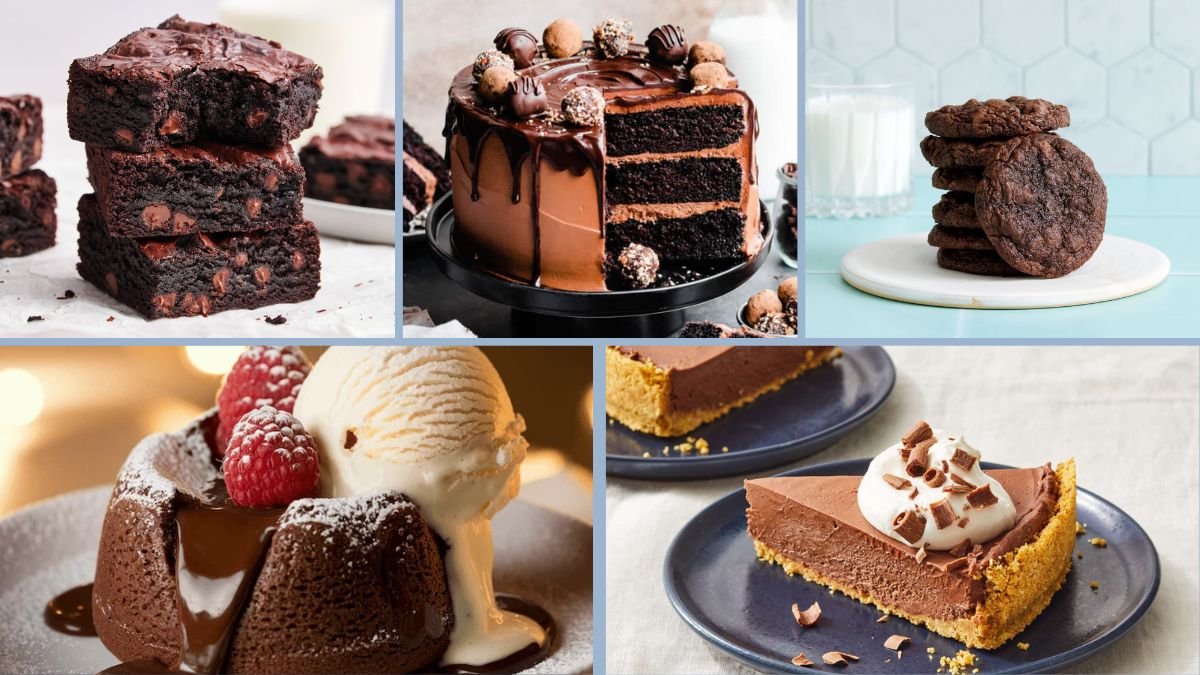
Chocolate lovers, unite! There’s nothing quite like sinking into a dessert that celebrates the rich, comforting, and intense flavor of chocolate. Whether you crave creamy, gooey, crunchy, or fruity, there’s a chocolatey treat here for every mood. These nine desserts aren’t just classics—they are unforgettable masterpieces of chocolate. Let’s dive into them.
1. Chocolate Lava Cake
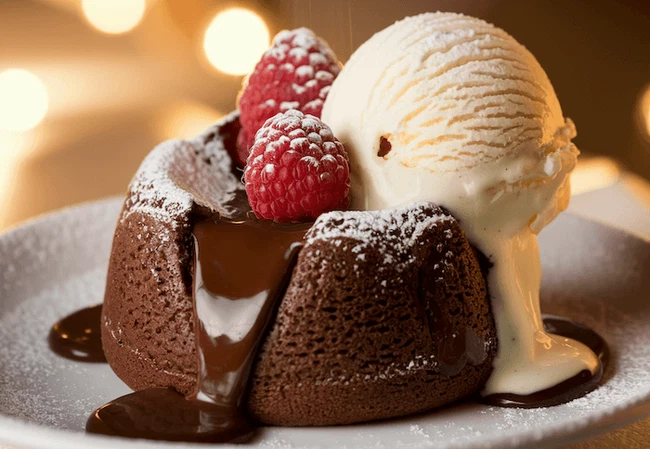
Why it shines: Imagine a warm, tender cake exterior that hides a molten, flowing center of semi-liquid chocolate. The contrast of textures—that delicate crust giving way—makes each spoonful blissful.
What makes it special:
- Decadent center: The lava or “molten” middle is often made using high‑percentage dark chocolate and butter, sometimes with a bit of espresso to deepen the flavor.
- Warm and serve immediately: From oven to plate, timing is key; delay, and the center firms up.
- Serving ideas: A dusting of powdered sugar, a scoop of vanilla or coffee ice cream, or a few fresh raspberries balance the richness.
- Vegetarian‑friendly tip: Use good‑quality dark chocolate (ensure it has no hidden gelatin or animal‑derived emulsifiers) and butter or plant‑based butter. Egg is conventional but can be replaced with a flaxseed “egg” or aquafaba in vegan versions.
2. Chocolate Brownies (Chewy‑Fudgy Style)
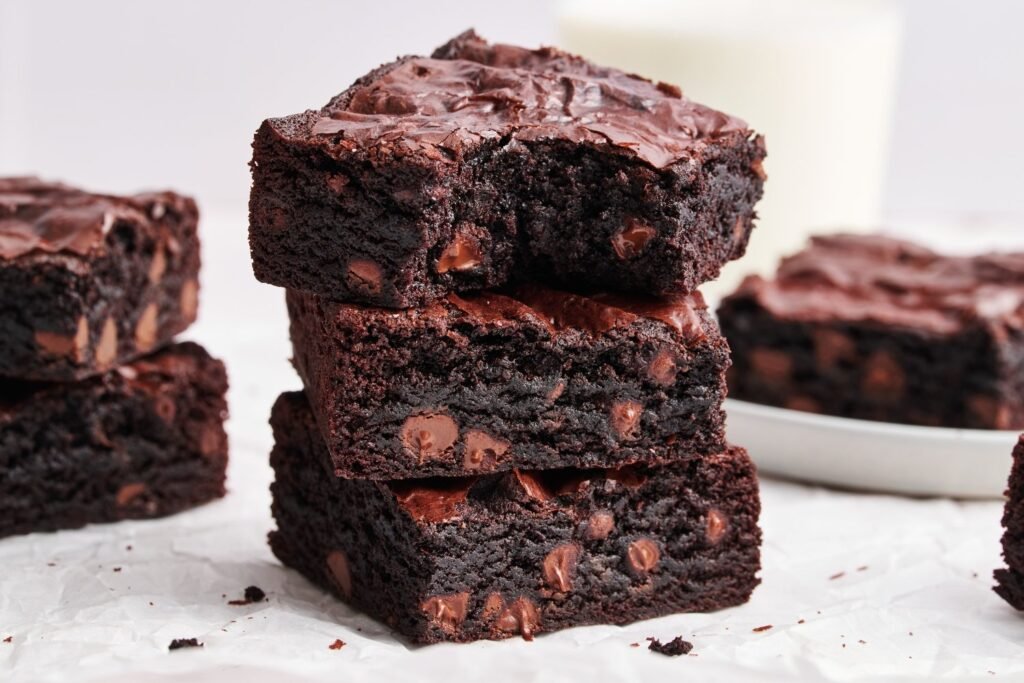
Why it shines: Brownies bring chocolate’s fudgy intensity in bar form. The ideal brownie is crackly on top, chewy all through, with pockets of gooey chocolate.
What makes it special:
- Balance of fat and flour: High chocolate and butter content plus little flour gives that dense, moist crumb.
- Mix‑ins: Walnuts, pecans, chocolate chunks or peanut butter swirl add texture and flavor.
- Baking trick: Slight under‑baking (leave a little jiggle in the center) avoids dryness.
- Vegetarian‑friendly tip: Traditional brownies are vegetarian; ensure dark chocolate, and use eggs or an egg replacement if needed.
3. Chocolate Mousse
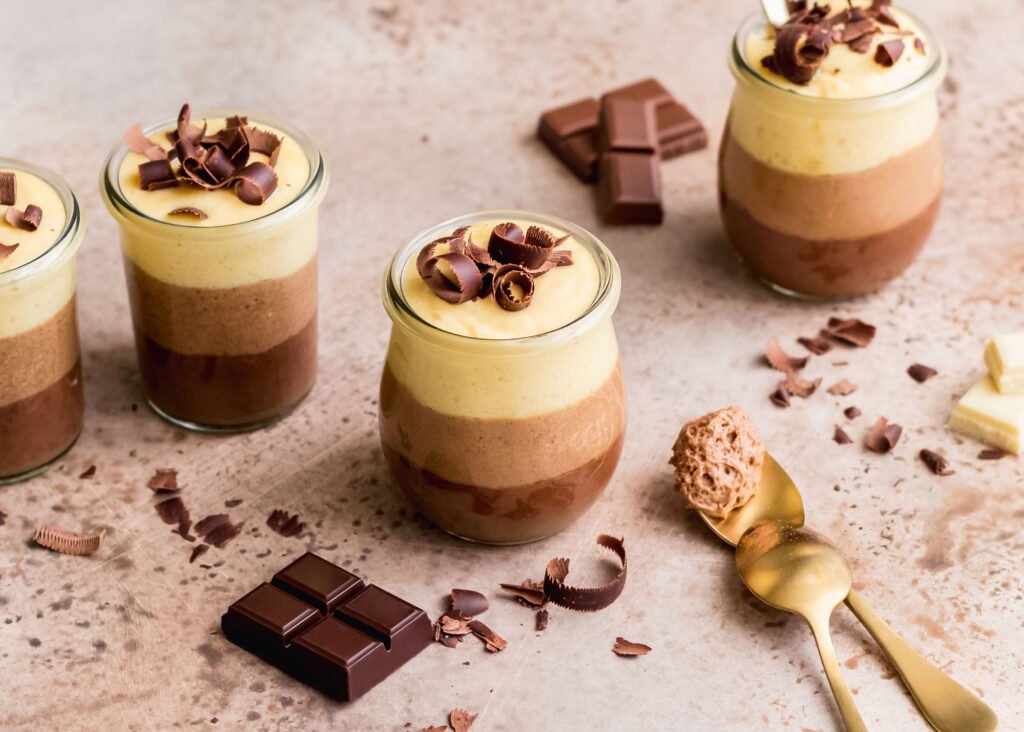
Why it shines: Airy, silky, ethereal—mousse is chocolate turned into cloud. A contrasting counterpoint to dense cakes and brownies.
What makes it special:
- Light texture: Whipped cream (or coconut cream) folded gently into melted chocolate gives mousse its lift.
- Depth of flavor: Using bittersweet or semi‑sweet chocolate, plus maybe a hint of vanilla or orange zest, yields complexity.
- Chill time counts: Resting in fridge helps set and develop flavor.
- Serving ideas: Garnish with chocolate shavings, whipped cream, mint leaves, or sprinkle of sea salt.
- Vegetarian‑friendly tip: Use dairy or plant creams; avoid gelatin if using for set‑styled mousses, or use agar‑agar for vegetarian gel.
4. Chocolate Torte
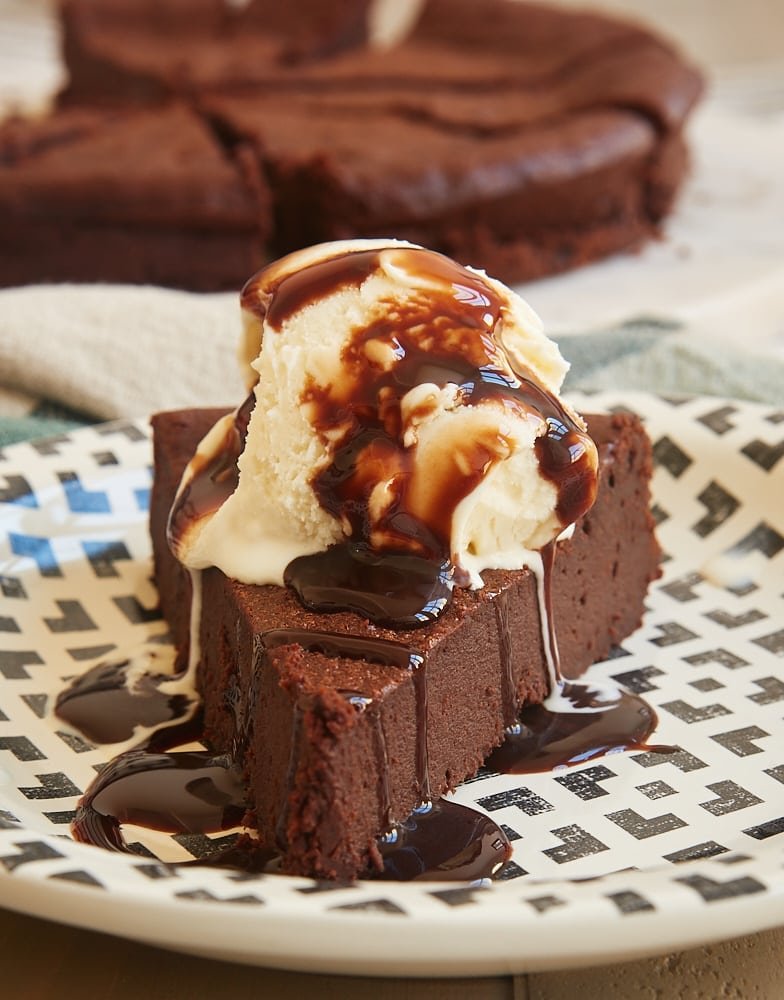
Why it shines: Tortes are rich, dense cakes often with minimal flour, letting chocolate, sometimes nuts, shine through. Think almost like a dense flour‑less cake.
What makes it special:
- High proportion of chocolate: Some tortes use ground nuts (almonds, hazelnuts) instead of all flour, intensifying flavor.
- Moist crumb yet substantial: Not as airy as sponge, but softer than brownie.
- Finishing touches: Often glazed with ganache or dusted with powdered sugar; sometimes layered with fruit compote or whipped cream.
- Vegetarian‑friendly tip: Again, use vegetarian fats and checked chocolate; eggs are used traditionally but vegan tortes are popular using flaxseed or chia for binding.
5. Chocolate Cheesecake (No‑Bake Option)
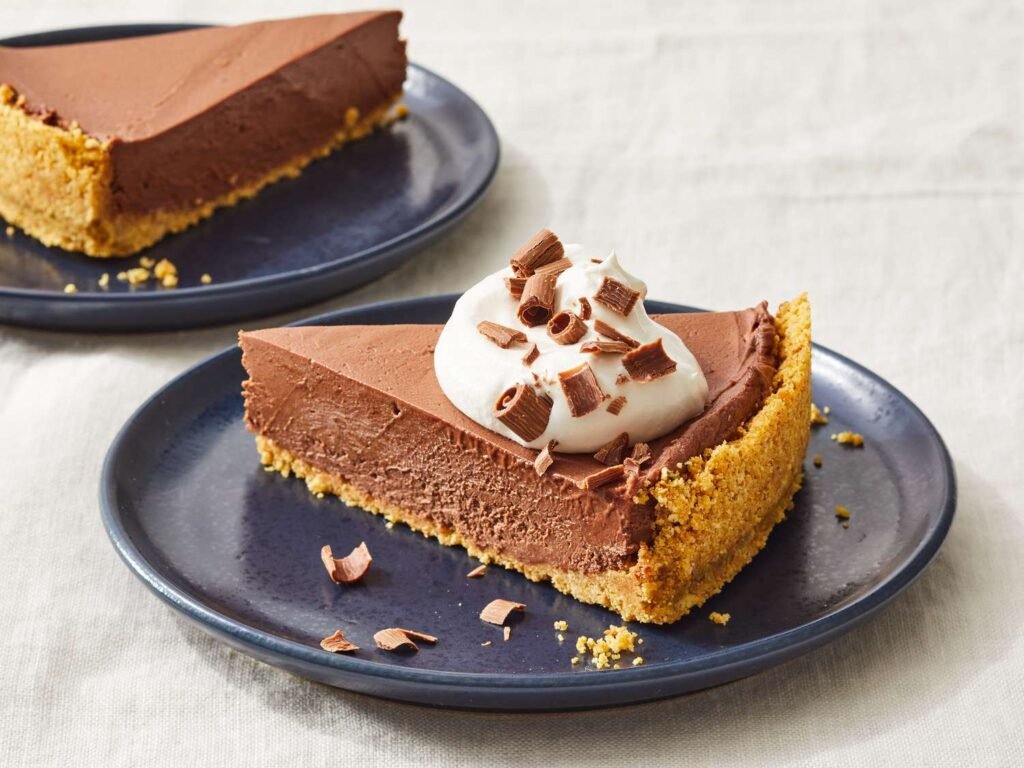
Why it shines: Cheesecake’s creamy texture combined with chocolate makes for a luxurious dessert. No‑bake versions are especially appealing when you want dessert without firing up the oven.
What makes it special:
- Crust: Usually a base of crushed biscuits (graham crackers or digestive biscuits) and melted butter (or plant‑based margarine).
- Filling: Cream cheese mixed with melted chocolate (or cocoa powder), sugar, maybe sour cream or thick yogurt, whipped into smoothness. For richness, dark chocolate or high‑quality cocoa powder is essential.
- Set in fridge: No baking—after mixing, it is chilled for a few hours to firm up.
- Variations: Top with chocolate ganache, fresh berries, or salted caramel.
- Vegetarian‑friendly tip: Ensure cream cheese doesn’t use animal rennet (depending on belief), or use a plant‑based cream cheese; avoid gelatin.
6. Chocolate Truffle Cake
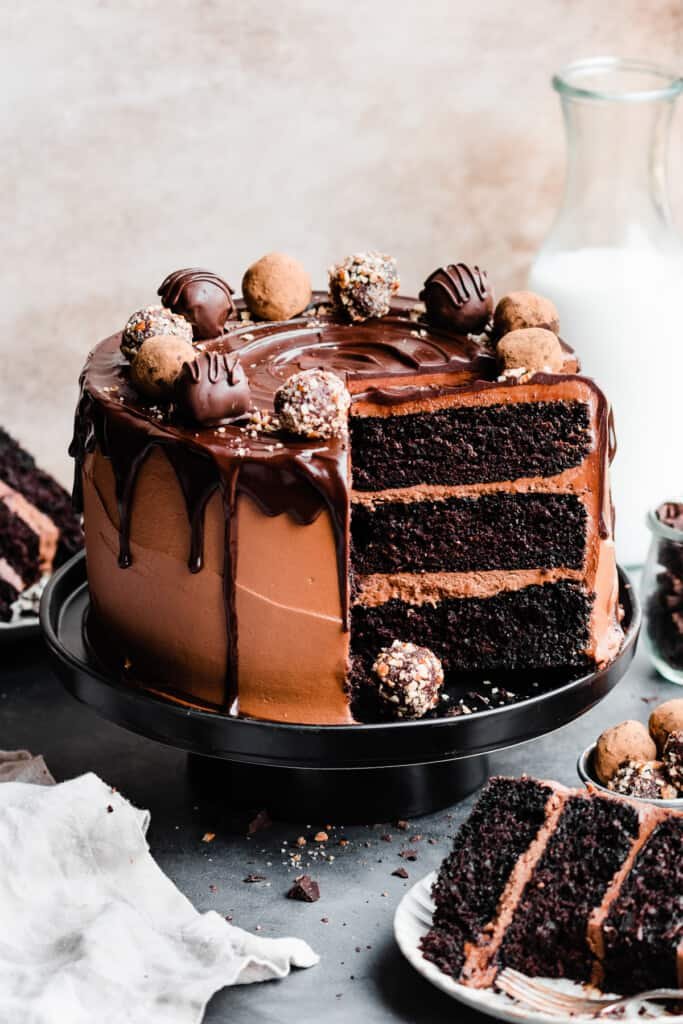
Why it shines: Truffle cake layers velvety sponge with ganache and sometimes layers of chocolate truffle or mousse. It’s a showstopper with rich, piled‑high chocolate flavor and texture contrast.
What makes it special:
- Layers & ganache: Alternating cake and ganache or truffle fill gives richness and heaviness that still has air.
- Balance of sweetness: The cake sponge often slightly less sweet so the ganache/truffle’s sweetness doesn’t overpower.
- Decoration: Sometimes covered in chocolate curls, bronze glaze, or drips for dramatic flair.
- Vegetarian‑friendly tip: Standard recipe works; for vegan versions, use plant milk, egg replacements, and plant‑based butter.
7. Chocolate Fondue
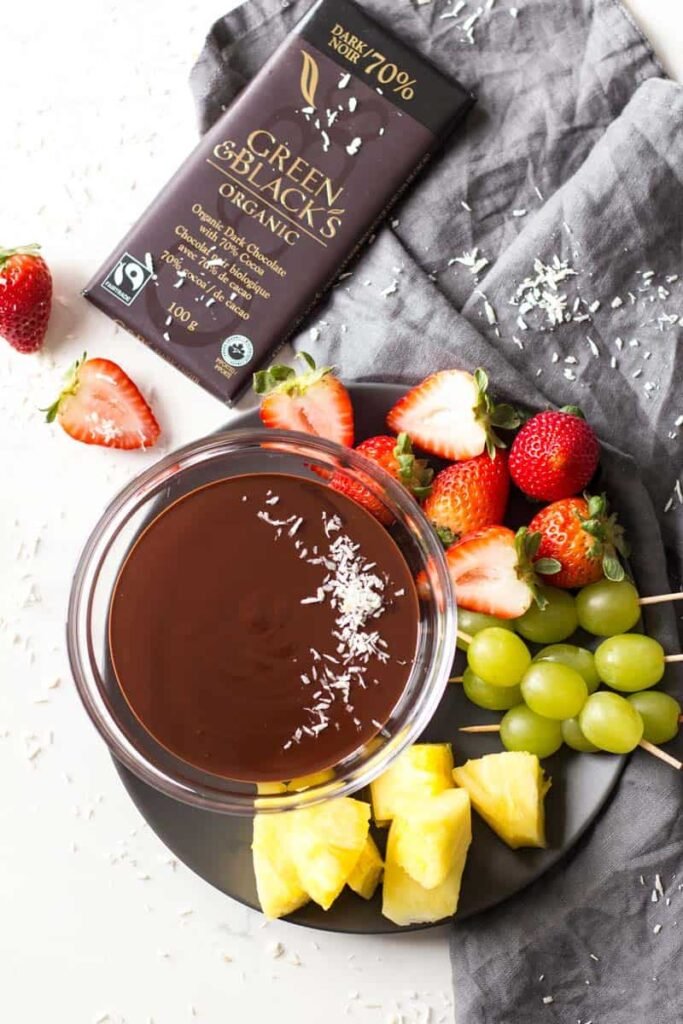
Why it shines: Fondue’s interactive and joyous. It’s not just about tasting—it’s about dipping. Fruits, biscuits, marshmallows (vegetarian ones), pieces of cake—it’s all delicious.
What makes it special:
- Melting technique: Good chocolate warmed with heavy cream (or coconut cream) produces a smooth dip. Add a splash of liquor (like rum or liqueur) or orange zest for flavor boost.
- Dipper variety: Fresh strawberries, banana slices, pineapple, marshmallows, biscotti, or cubes of pound cake.
- Atmosphere: Often served warm, in friendly gathering—fun, casual, adventurous.
- Vegetarian‑friendly tip: Use vegetarian marshmallows (if included), and ensure chocolate is vegetarian.
8. Chocolate Chip Cookies (Double‑Chocolate Version)
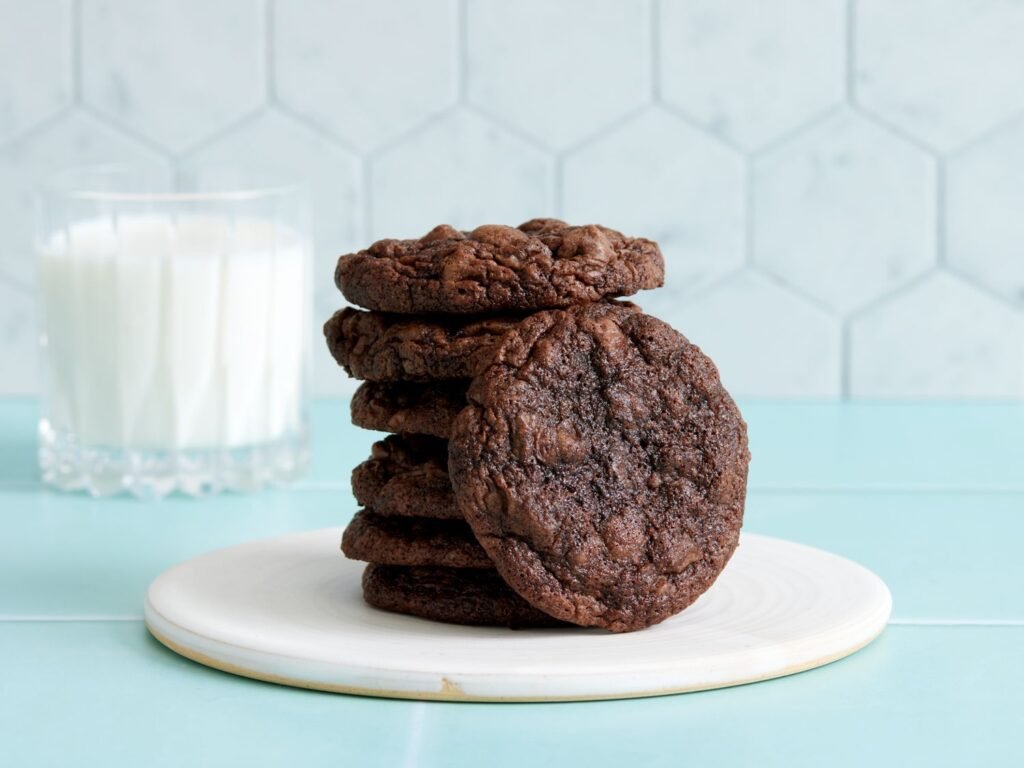
Why it shines: Familiar comfort food turned up a notch. Double chocolate means chocolate dough plus chocolate chips or chunks—more depth, more richness.
What makes it special:
- Dough base: Cocoa powder or melted chocolate in the dough gives richness.
- Texture tension: Crisp edges with soft, fudgy centre, and gooey chocolate chips.
- Baking tips: Chill the dough before baking to prevent excessive spread; bake just until edges are set.
- Add‑ons: Nuts, sea salt flakes, or even swirl of peanut butter.
- Vegetarian‑friendly tip: Cookies are naturally vegetarian; ensure chocolate chips are too, and avoid additives with animal derivatives.
9. Chocolate Soufflé
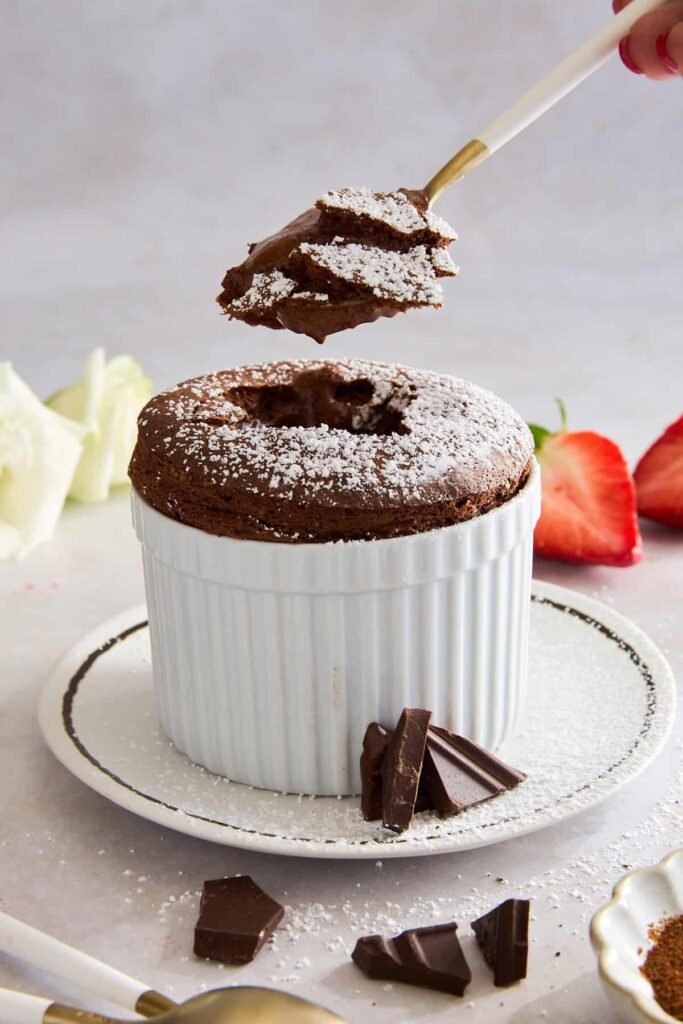
Why it shines: The soufflé is drama on a plate—a puffed, delicate shell encasing a moist, almost molten heart. It’s elegant, theatrical, and intensely chocolate‑scented.
What makes it special:
- Rise & air: Egg whites beaten to stiff peaks folded into chocolate base give lift.
- Flavor contrast: Slight crisp top and light interior with deeply chocolatey walls.
- Technique matters: Buttering and sugar‐dusting the ramekins; serving immediately so it doesn’t collapse.
- Serving suggestions: Dust with powdered sugar, serve with crème anglaise, fruit coulis or whipped cream.
- Vegetarian‑friendly tip: Since the soufflé uses eggs, it’s ovo‑vegetarian; for vegan alternatives, more challenging but possible using aquafaba or modern egg replacers.
What Makes a Chocolate Dessert Truly “Best”
Across all these desserts, certain factors consistently elevate the experience:
- Quality of Chocolate: Use chocolate with good cacao content and flavor profile. Bittersweet, dark, or single‑origin chocolates impart complexity. Cheap wafers or low cacao count yield flat results.
- Texture Contrasts: The best desserts combine textures—crisp exterior, gooey center; soft cake with firm crust; crunchy nuts with creamy filling. That contrast keeps each bite interesting.
- Balance of Sweetness: Overly sweet chocolate diminishes nuance. A bit of bitterness, a hint of salt, or a tart fruit component enhances the chocolate rather than masking it.
- Freshness & Serving Temperature: Warm desserts (lava cake, fondue) need to be freshly served. Chilled ones (cheesecakes, mousse) should have proper rest time. Temperature affects flavor.
- Appearance and Garnish: Even small touches—dusting, drizzle, fresh fruit—elevate the dessert. Visual appeal primes the palate.
Vegetarian Considerations & Adaptations
- Eggs: Most desserts use eggs (lava cake, soufflé, brownies). For strict vegetarians or vegans, egg replacers (flaxseed meal + water, chia seed, aquafaba, or commercial egg substitutes) can do the job, though texture tweaks may be needed.
- Dairy: Milk, cream, butter are standard. In vegan adaptations, use coconut milk/cream, almond or oat milk, plant‑based butter.
- Gelatin & Animal‑Derived Additives: Especially in mousses, cheesecakes, or store‑bought chocolates, check for gelatin, rennet, or other non‑vegetarian components. Agar‑agar, pectin, or vegetable rennet are good replacements.
Serving Tips & Pairings
- Beverage Pairings: A cup of strong coffee cuts through richness. Port wine or dessert wine works beautifully. Or for non‑alcoholic, try chai tea, mint tea, or simple espresso.
- Fruit & Acids: Strawberries, raspberries, oranges, passion fruit—fruits with some brightness—in garnish or side reduce the heaviness of chocolate.
- Salt & Spice: A sprinkle of sea salt, a dash of cayenne or chili, or a bit of cinnamon or cardamom can surprise the palate and highlight chocolate’s deeper notes.
- Temperature Contrast: Warm chocolate desserts served with cold ice cream or whipped cream give wonderful contrast.
Final Thoughts
Chocolate desserts are timeless because they satisfy something deep in all of us: the craving for richness, the joy of sweetness, the comfort of indulgence. These nine represent a spectrum—from intense and luxurious to playful, nostalgic, and communal. Whether you want something showy like a soufflé, something you can share like chocolate fondue, or something simple and classic like double chocolate cookies, there’s a perfect dessert here for every moment.
So light the oven, gather your ingredients, and let chocolate guide you. The next bite could be your best one yet.